Today
Investigate after the excursion
- CEMS and environmental systems measure and report regulated sources.
- Teams investigate exceedances after they appear.
- Process, equipment and environmental data are often analysed separately.

CEMS and environmental systems measure emissions, but the cause often sits in the production process. INSUS connects emissions with process and equipment data to flag developing risks and contributing conditions for environmental and operations review. It does not replace CEMS or make regulatory determinations.
01
Emission limits are only part of the problem.
02
The cause is often inside the production process.
03
Environmental and operations teams keep the decision.
The problem
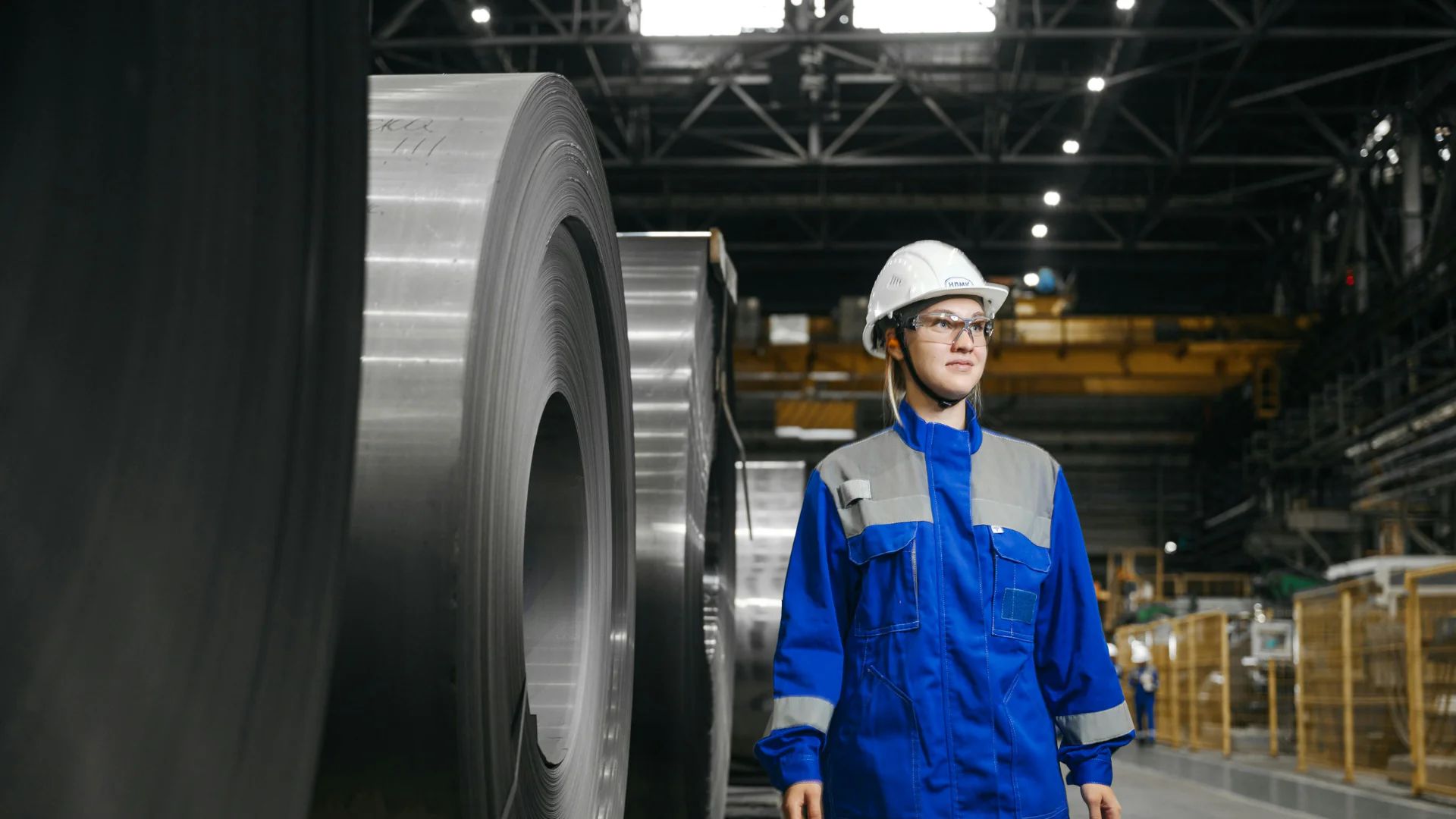
Steel production generates emissions across coke ovens, blast furnaces, BOF, EAF, reheating, rolling and material handling. Plants may already run CEMS and hold large volumes of operational data, but monitoring often identifies problems only after an exceedance. Without connecting emissions to the process conditions behind them, teams spend time reconstructing what happened instead of acting earlier.

The shift
CEMS and existing environmental systems stay in place. What changes is whether emissions are reviewed together with the operating conditions that influence them.
Today
With INSUS
How it works
This fits OptiStudio as process-linked emissions decision support beside existing CEMS and environmental systems. Day one is advisory. It does not replace CEMS, certify compliance or change plant controls automatically.
Connect
Read-only links to CEMS, DCS/SCADA, historians, environmental measurements, process parameters, fuel and energy data, production records and available equipment or laboratory information for the selected source.
Understand
Learn relationships between emissions and operating variables such as furnace conditions, fuel consumption, gas flows, temperatures, production rates and equipment behaviour on this plant.
Predict
Forecast near-term emission trajectories and identify abnormal patterns that may indicate developing compliance risk or process instability, subject to data quality and model performance.
Advise
Surface likely contributing process or equipment factors and route alerts to environmental, operations or maintenance teams. Investigation and corrective action stay with plant staff.
Verify
Log alerts against actual emission events and operating outcomes. Track false positives openly and refine the source-specific model with the environmental and operations teams.

Getting started
For steel plants that already run CEMS and hold process historian data for a selected source such as a blast furnace, EAF, BOF or coke-oven area. Delivered through OptiStudio as process-linked emissions decision support. Expert Services can help with data assessment and validation. Advisory only. No CEMS replacement. No new sensors by default.
Related for steel
Emissions guidance sits beside slag, yield and furnace energy work on the same steelmaking operation.
Emission problems are often investigated after an exceedance. This use case connects CEMS with process data to flag developing risks and contributing operating conditions for earlier review.
No. CEMS remains the source of direct emissions measurements. INSUS adds an intelligence layer that links those measurements with DCS/SCADA, historian and process data.
CEMS, DCS/SCADA, historians, environmental measurements, process parameters, fuel and energy data, production information and available equipment or laboratory records for the selected source. No new sensors by default.
No. Day one is advisory. Alerts and contributing-factor analysis support investigation. Critical operational and compliance decisions remain with plant teams.
Only where suitable existing sensor or environmental data supports it. Computer vision is used only if image data already exists. Additional instrumentation is a separate plant decision.
Through OptiStudio as process-linked emissions decision support. Expert Services can support data assessment, integration and validation with your environmental and operations teams.
Models are source- and plant-specific. Prediction quality depends on data completeness and how well process signals explain emission behaviour. The system does not certify compliance or submit regulatory reports.
Steel · Emissions monitoring and compliance
Use CEMS and the plant data you already record to flag developing emission risks and contributing process conditions. Environmental and operations teams keep the decision.