Industrial Operations industry

Where the shared plantpays for the miss

Utilities already serve every unit. Permits and isolations decide whether work is safe and consistent. Rotating assets fail before the work order opens. The site still has to keep running.

  • 01

    Compressor condition flagged while a window can still be planned

    Predict shared compressor health from temperature, pressure and current the site already logs — so reliability teams investigate before unplanned downtime.

  • 02

    Fouling flagged on the exchanger, not only the train

    Compare each preheat exchanger's heat transfer with its own clean-operation baseline so a developing foul is visible before the furnace has been making up the lost recovery.

  • 03

    Seveso III obligations tied to the inventory, not a stale tier

    Compare dangerous-substance quantities with substance-specific thresholds so MAPP, safety-report and emergency-planning gaps are visible before a review date.

Across the site and in the field

The margin is decided in shared operations

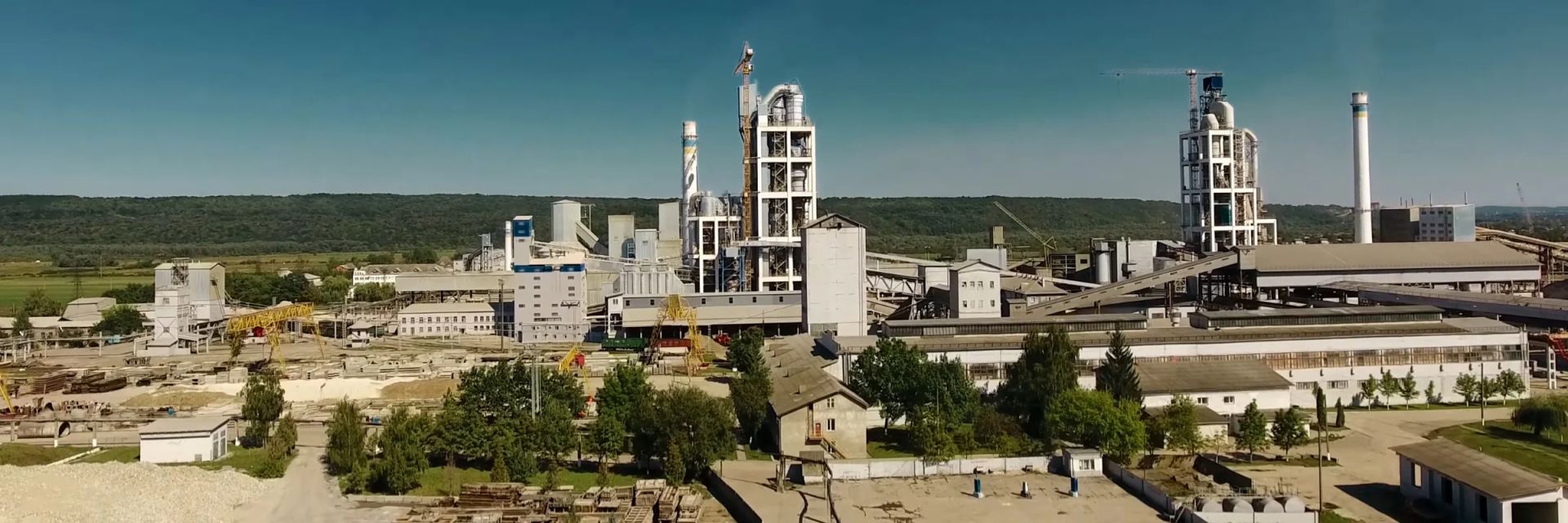
Industrial operations lose time and money in three places that rarely share one screen: plant utilities that burn energy to cover uncertainty, permit and isolation work that differs by crew and contractor, and rotating assets that fail after the production unit is already constrained. Most of that is already in DCS, CMMS, PTW systems and document control — after the fact.

Plant steam, power and cooling utility systemsUtilities

Steam, power and cooling sit under every process decision

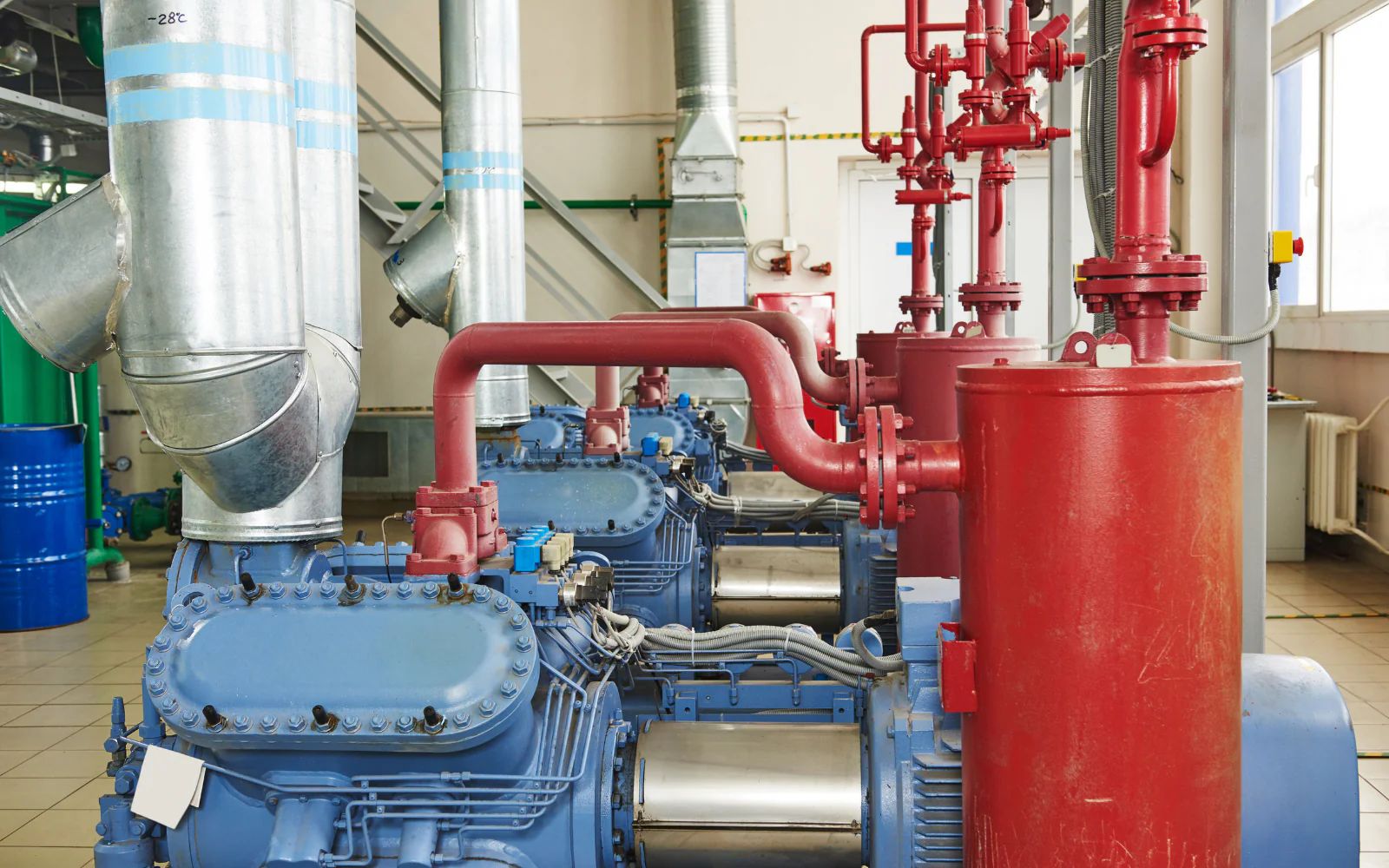
Shared utilities absorb uncertainty with conservative setpoints when demand is hard to read. Purchased electricity and steam at U.S. refineries alone run to tens of billions of kilowatt-hours and hundreds of billions of pounds a year — a reminder that site energy is decided in the utility header as much as in the process unit.

Permit-to-work and isolation documents for industrial operationsWork control

Company and contractor work still decide whether the day is controlled

IOGP member data show contractors account for most lost-work-day cases and a higher fatal accident rate than company employees in recent years. When approved permits and isolations are hard to find, execution differs across shifts — and the risk sits in the gap.

Condition monitoring on shared industrial rotating equipmentReliability

Shared rotating assets fail inside someone else's run

Pumps, compressors and utility drivers serve multiple units. When condition is read reactively, an unplanned stop cascades into constrained production, overtime and a rushed isolation — before the root cause is clear.

Raising utility setpoints is the easy correction. It is also how the night is spent.

INSUS works from utility and equipment tags, permit and work-order records, and documents a site already keeps. If the gap is an unread pump alarm, a steam header that never settled, or a clearance sheet that never joined the job, that is what we will say. Recommendations stay advisory. Existing DCS, SIS and site controls stay in charge.

Explore the possibilities

Industry figures

The scale of what is being decided

Four external figures, each with its source. Nothing on this page is an estimate we made up. Where we cannot cite a number, we describe the situation in words instead.

Purchased power

43.6BkWh

of electricity purchased for U.S. refinery operations in 2024 (43,640 million kilowatthours), with 104,116 million pounds of purchased steam the same year — national indicators of how hard shared plant utilities work to keep process units online.

Source: U.S. EIA, Purchased Electricity; Purchased Steam

Shared plant utilities and industrial maintenance operations

Common problems

Problems that cost you before you notice

None of these show up as a single alarm. They show up in the shared compressor stop, the furnace bill from fouling, and the Seveso threshold found late.

  1. Shared compressors fail inside a production window

    Utility and shared rotating assets sit on the path to available capacity. When condition is read reactively, an unplanned stop cascades into constrained units and overtime.

    See: Compressor Predictive Maintenance
  2. Preheat fouling shows up in the furnace bill first

    Heat recovery falls gradually. ε-NTU monitoring and train-level effects often confirm fouling after one exchanger has already shifted fuel and emissions onto the furnace.

    See: Heat Exchanger Fouling Detection
  3. Seveso III thresholds are still checked facility by facility

    Substance-specific lower- and upper-tier quantities can change a facility's documentation duties. When inventories, MAPP records and review dates sit apart, a threshold crossing is easy to miss until the next audit.

    See: Seveso III Compliance

Use cases

Places worth a closer look

Each is a specific starting point — this utility compressor, this preheat exchanger, this facility inventory — and a next conversation if it is worth your time.

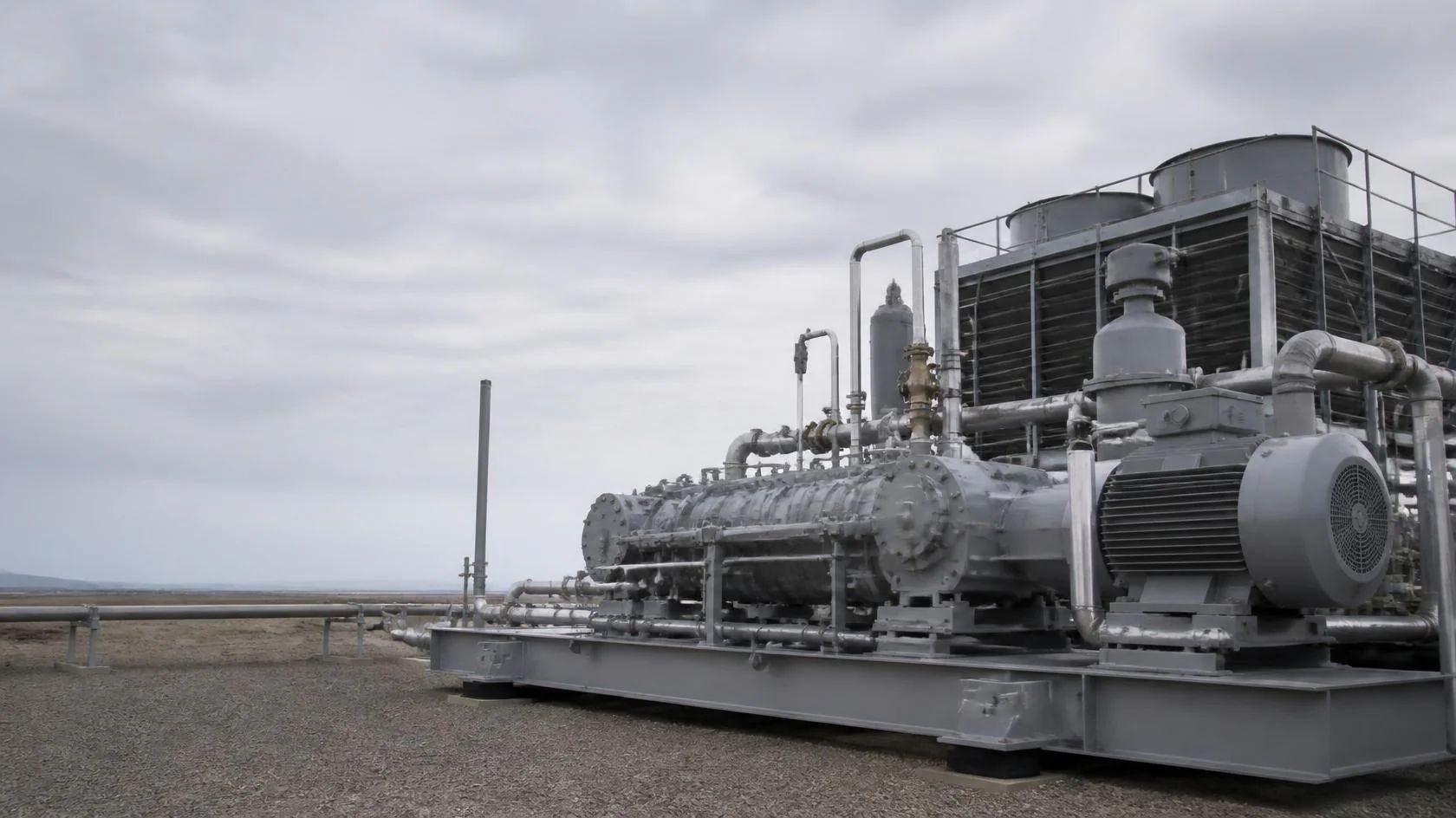
Industrial compressor with condition signals from temperature, pressure and current
Rotating equipment

Compressor Predictive Maintenance

Predict industrial compressor condition and failure risk from existing temperature, pressure and electrical current data so reliability teams can act before unplanned downtime. Advisory only.

See the full use case
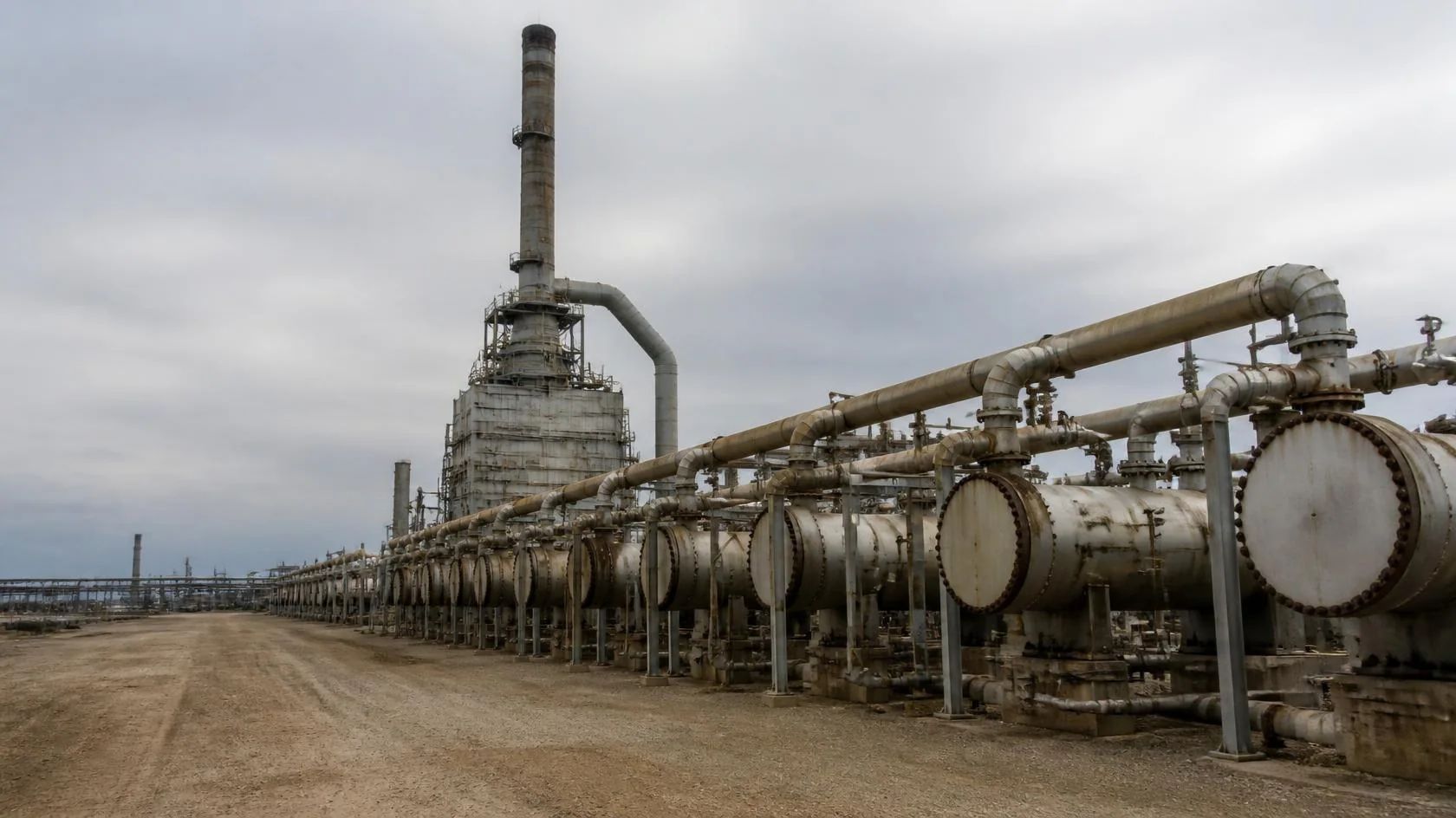
Refinery crude preheat train heat exchangers with fouling detection from process data
Heat recovery

Heat Exchanger Fouling Detection

Detect heat exchanger fouling in crude preheat trains earlier, from each exchanger's own clean-operation baseline and existing temperature, flow and crude data. Advisory only.

See the full use case
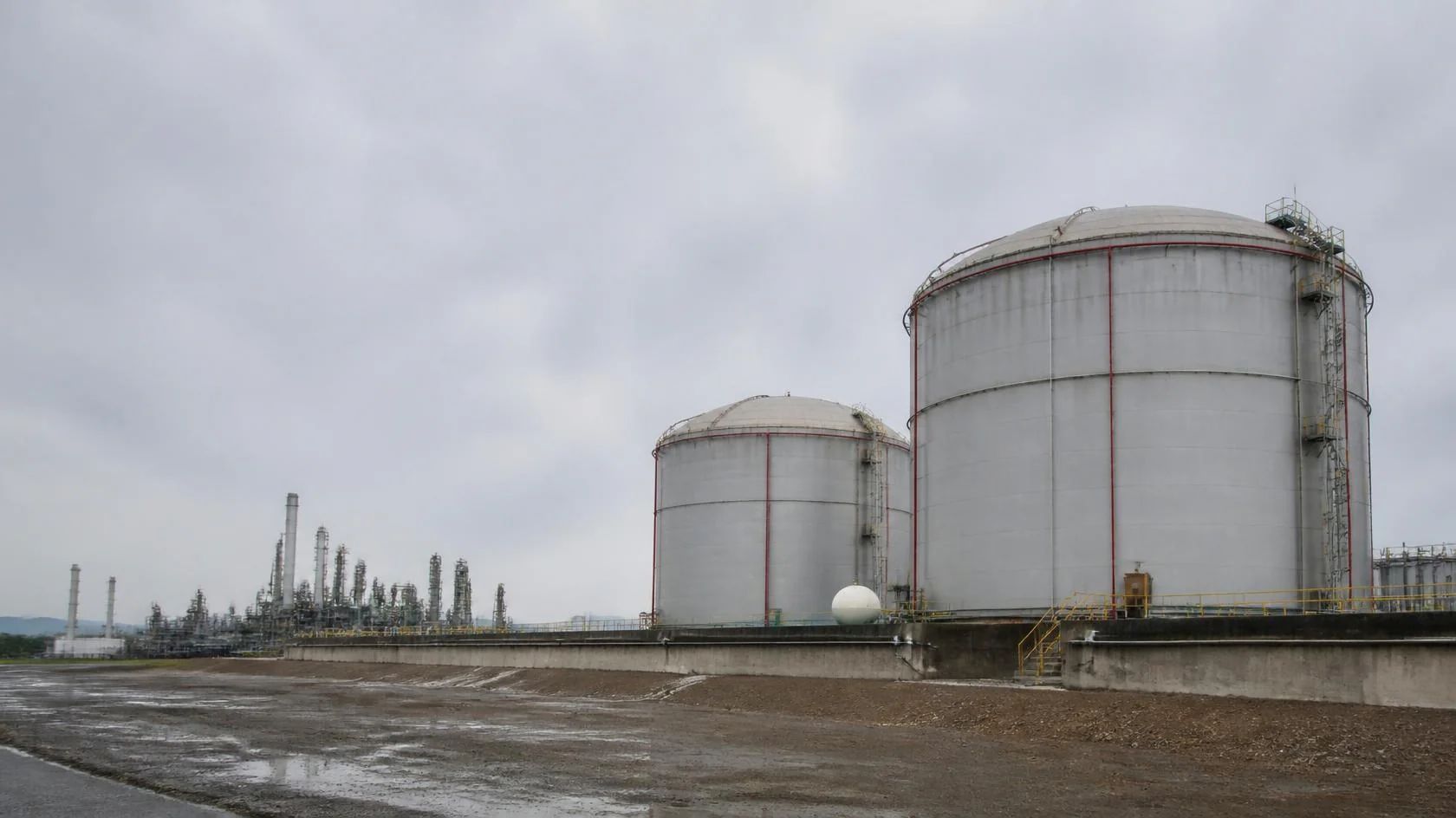
Oil and gas facility records organized against Seveso III tier and documentation obligations
Process safety

Seveso III Compliance

Map dangerous-substance inventories against Seveso III lower- and upper-tier thresholds, and connect each facility to MAPP, safety-report and emergency-planning obligations. Advisory only.

See the full use case

FAQ

Questions that come up in every first call

A practical look at what INSUS needs, where it fits and what your team can expect.

The work that fits is the data a site already produces: compressor temperature, pressure and current, preheat-train temperatures, flows and crude properties, and dangerous-substance inventories with MAPP and safety-report records. CompressGuard, HeatTrace and the Seveso III compliance copilot can start from records you already keep. Closed-loop utility control, automatic cleaning, automatic permit approval and legally binding tier determinations are not promises we will make on day one.

Those pages focus on wells, pipelines and process trains. Industrial Operations focuses on the shared plant — utilities, permit-to-work, contractor coordination, turnarounds and the rotating assets that serve multiple units — where site energy and work control dominate the cost of a miss.

Usually not for DCS, historians, CMMS and PTW systems. Most sites already have utility metering and work-order history. If a critical meter has been drifting or an alarm code is unused, that comes before any model.

No. The person who knows this site, this permit system and this utility network stays responsible. The aim is to stop the next job repeating the same isolation miss, and to flag a developing equipment issue before it stops shared capacity.

No. It advises the operations, maintenance or HSE team. Existing DCS, SIS and permit systems stay in charge of the loop. Protection systems are not touched.

No. Energy and safety outcomes depend on plant design, operating practice, contractor management and equipment condition. We will not invent a kWh or TRIR target for your site.

They are published industry and national benchmarks — not measurements of your plant. Your utility tags, PTW records and work orders are the numbers that matter.

Yes. One steam system, one cooling circuit, or one permit-to-work program is usually the practical start. Measure that, then decide whether to widen.

Contact

Talk to an industrial operations expert

  • 30 minA focused conversation about the industrial operations problem you are trying to solve. No sales deck.
  • OutcomeA practical view of whether INSUS can help, what data would be needed and where it makes sense to start.
  • We will first understand your current process, what information you have and where the biggest gap is.
  • If the right answer is a meter check, a procedure update, a maintenance action or an existing CMMS report, that is what we will tell you.

Request a call

We reply within one working day, from a person, with a proposed time.