
Every facility hasa different compliance map.

Seveso III applies substance-specific thresholds and different obligations depending on facility tier. INSUS maps dangerous-substance inventories against those thresholds and connects each facility to the documentation duties that apply, for human review, not as a legal determination.

  • 01

    Track substance-specific lower- and upper-tier thresholds.

  • 02

    Map tier status to MAPP, safety-report and emergency-planning duties.

  • 03

    Advisory only. Process-safety and legal teams review every determination.

The problem

One directive.Dozens of thresholds. Multiple obligations.

Seveso III (Directive 2012/18/EU) does not use one universal inventory threshold. Dangerous substances and categories have their own lower-tier and upper-tier quantities, and a facility's inventory can change over time. Crossing a threshold can change the documentation that facility needs to manage. Portfolio-wide tracking is difficult when inventories, MAPP and safety-report records, and review dates live in separate systems. National implementation still has to be confirmed for the applicable jurisdiction.

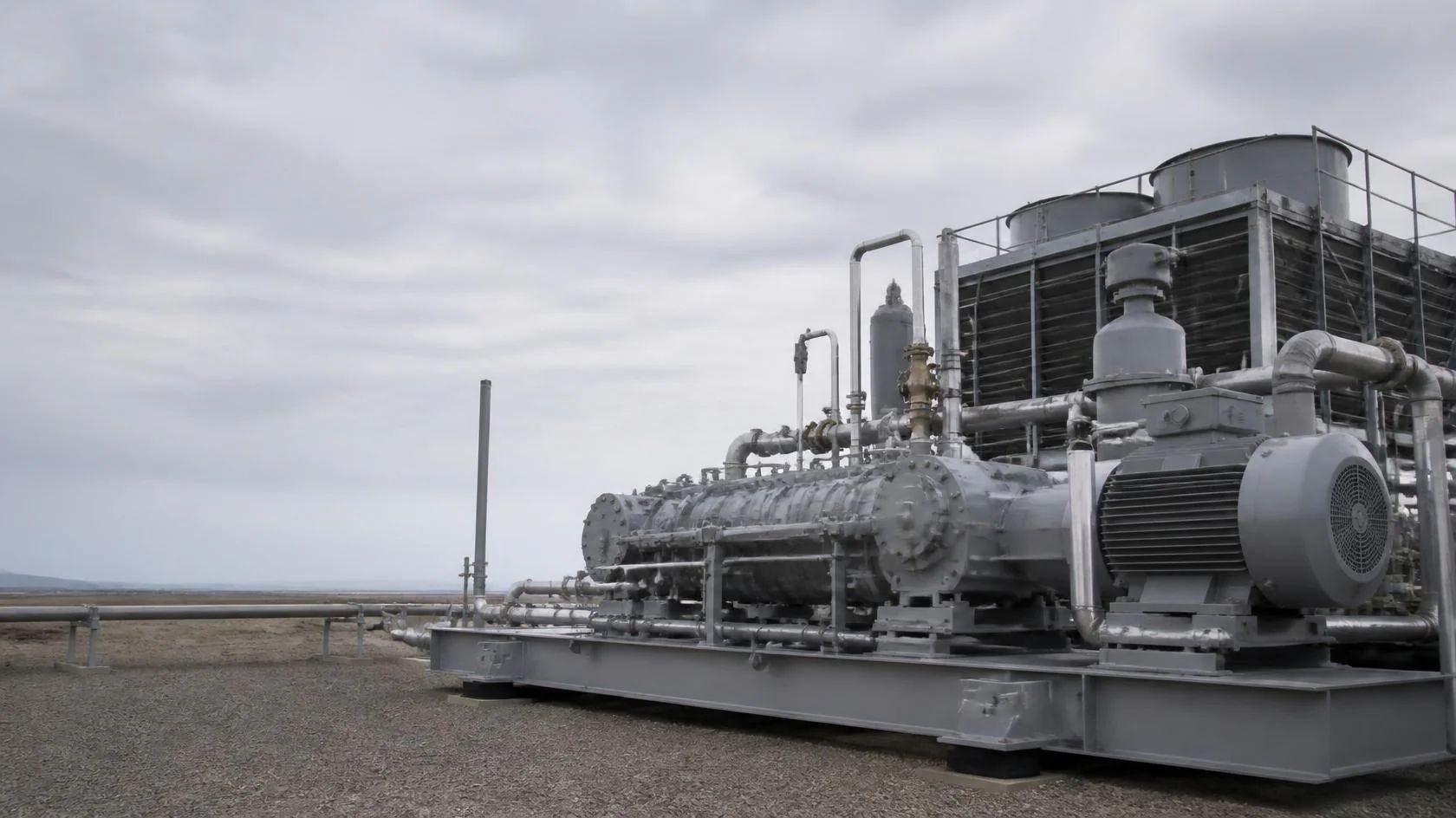
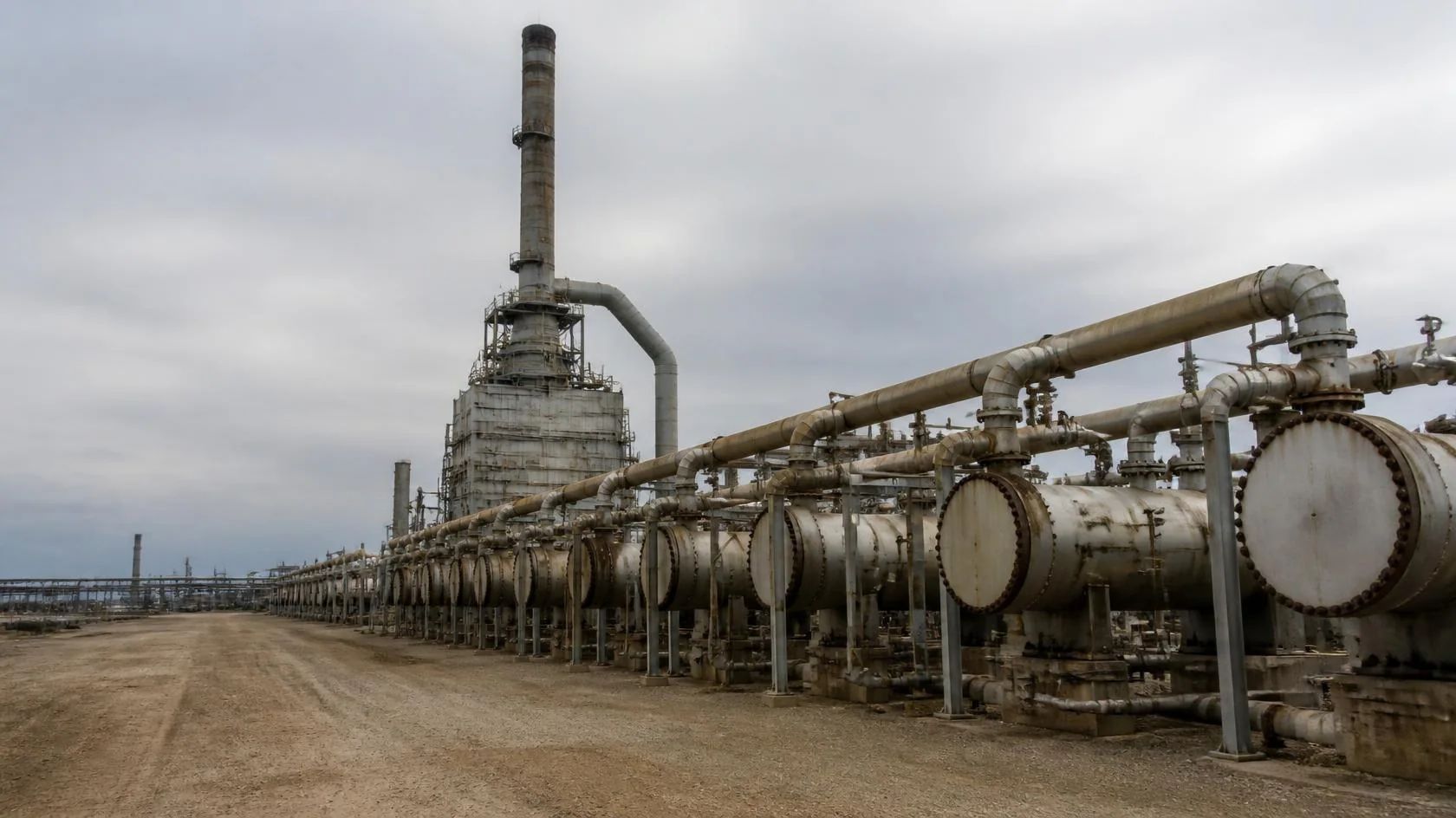
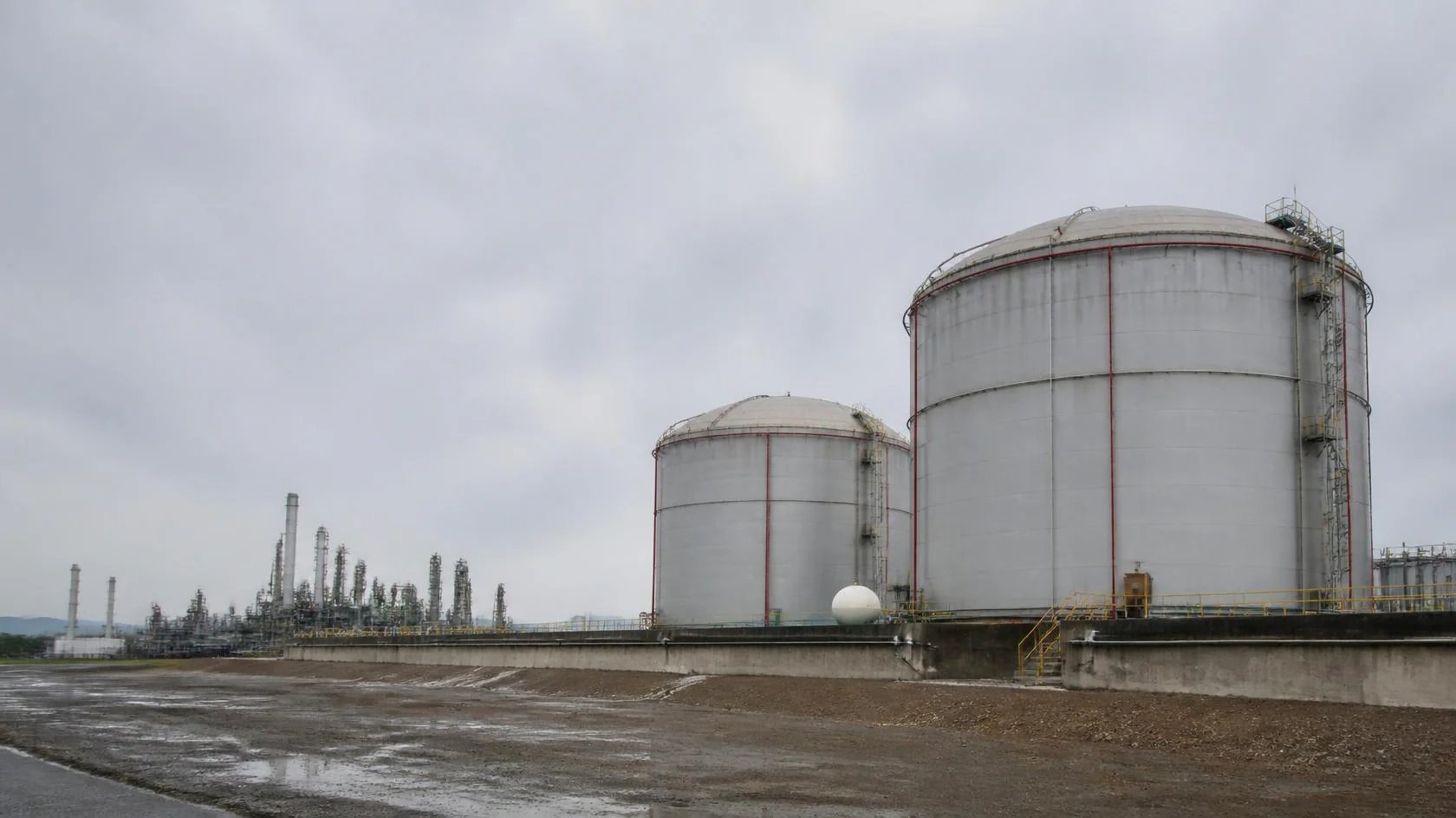
Process safety team reviewing Seveso III substance thresholds and facility obligations
01
02
03
  • 01Substance inventory
  • 02Tier thresholds
  • 03Documentation duty

The shift

From manual threshold trackingto an inventory-aware compliance map.

Instead of repeatedly cross-referencing inventories, thresholds and documents facility by facility, operators can keep one structured view that connects inventory changes to tier status and the obligations that follow. Classification and sign-off stay with compliance, process-safety and legal teams.

Today

Compliance tracked facility by facility

  • Substance-specific thresholds are checked manually across facilities.
  • Inventory changes can alter tier status without a single portfolio-wide view.
  • MAPP and safety-report obligations are tracked separately from inventory status.

With INSUS

Compliance mapped around actual inventory

  • Each facility's inventory is checked against applicable thresholds.
  • Potential tier changes are surfaced as inventory records change.
  • MAPP, safety-report and emergency-planning obligations are connected to facility status.

How it works

From regulatory thresholdsto a facility-by-facility compliance map.

Delivered through ExpertFlow AI as document intelligence over inventory and process-safety records. It organizes tier status and documentation gaps for review. It does not make a binding legal determination or replace existing compliance systems.

  1. Connect

    Bring regulation and facility data together

    Connect relevant Seveso III threshold information and official guidance with facility inventory data, substance types and quantities, current tier status, and existing MAPP and safety-report records.

  2. Understand

    Map each facility against its thresholds

    Structure applicable substance-specific lower-tier and upper-tier thresholds and compare them with the dangerous substances and quantities recorded for each facility.

  3. Identify

    Surface tier changes and documentation gaps

    Identify facilities approaching relevant thresholds, and highlight gaps between current documentation and the obligations associated with their tier for the compliance team.

  4. Advise

    Build a prioritised compliance roadmap

    Structure MAPP, safety-report and external-emergency-plan cooperation activities across the portfolio according to tier status, review cycles and identified documentation gaps.

  5. Verify

    Keep the map aligned with the facility

    Compliance teams review the classification and documentation analysis against their own records and regulatory interpretation. Updates can be incorporated as inventories change or new official guidance becomes available.

ExpertFlow AI organizing Seveso III regulatory and facility compliance records

Getting started

Start with one facilityand the records you already keep.

For operators managing Seveso III lower- or upper-tier establishments. Delivered through ExpertFlow AI as document intelligence. Expert Services can help with discovery and validation. It does not make a binding legal determination or require new plant-floor sensors.

  • What we need. Dangerous-substance type and quantity by facility, current tier status, and existing MAPP and safety-report documentation. Official threshold information and applicable national guidance provide the regulatory context.
  • What you see first. An inventory comparison against applicable thresholds for one facility or a defined portfolio subset, with documentation gaps flagged, then validated by the compliance and process-safety team against its existing workflow.
  • Where the limits are. Advisory only. It does not make a legally binding tier determination, replace compliance software, or contact authorities. Inventory data must be current. Exact interpretation depends on the Directive and the national implementation that applies.
Explore ExpertFlow AI

Questions process-safety teams ask us

Seveso III applies substance-specific thresholds and different obligations by facility tier. This use case maps inventories against those thresholds and the MAPP, safety-report and emergency-planning duties that follow, for compliance-team review.

Dangerous-substance type and quantity for each facility, current tier status, and existing MAPP and safety-report documentation. No new sensors. Integration is with existing inventory-management and process-safety or compliance systems.

No. It provides structured analysis and documentation assistance. Compliance, process-safety and legal teams review and approve tier determinations. It augments existing inventory and compliance workflows rather than replacing them.

The applicable tier depends on the dangerous substances present and the quantities held. Both tiers have Major Accident Prevention Policy (MAPP) requirements. Upper-tier establishments have additional safety-report and external-emergency-planning obligations, subject to the Directive and national implementation.

Through ExpertFlow AI as document intelligence. Expert Services can support discovery, document structuring and validation with your process-safety team.

Where current inventory data is sufficiently detailed, it can flag facilities approaching applicable substance-specific thresholds for compliance-team review. It does not decide the legal classification on its own.

Regulatory interpretation and national implementation must be confirmed for the applicable jurisdiction. Inventory data must be current and detailed enough for the comparison. The system supports compliance teams; it does not provide autonomous or legally binding determinations.

Industrial Operations · Process safety

Track every facility against every applicable threshold.

A structured compliance view of one facility or a portfolio subset will show how substance inventories, tier status and safety documentation connect, with process-safety and legal teams retaining authority over every determination.