Flag the fouling exchangerbefore the furnace pays for it.

INSUS learns each exchanger's clean-operation performance from existing temperature, flow and crude property data, and flags fouling onset when actual heat transfer drifts from that baseline. Process engineers decide when to clean.

  • 01

    Fouling flagged against each exchanger's clean baseline.

  • 02

    Complements ε-NTU monitoring. Does not replace it.

  • 03

    Existing temperature, flow and crude data. No new sensors.

The problem

Fouling develops gradually,and the train hides which unit.

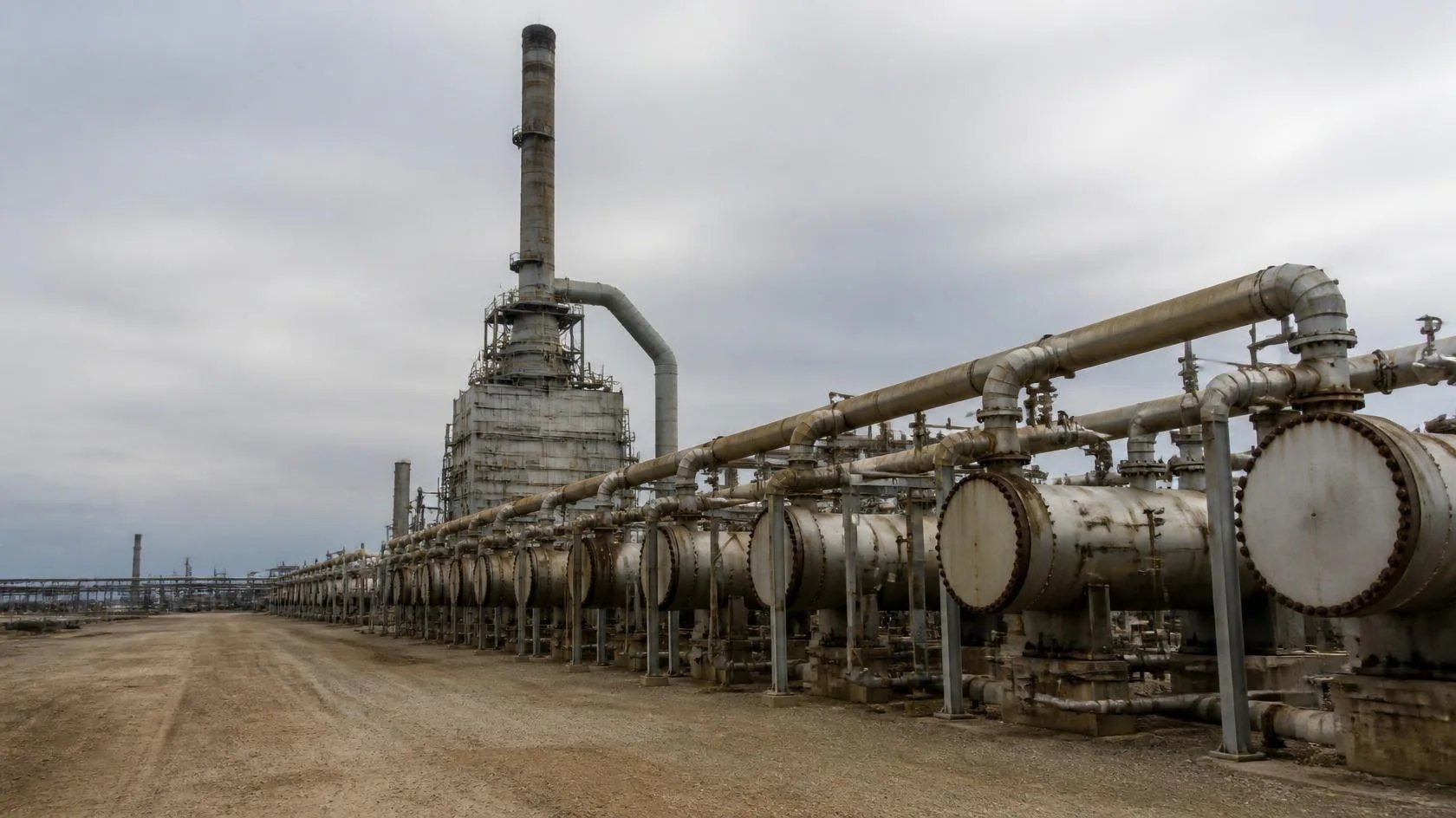
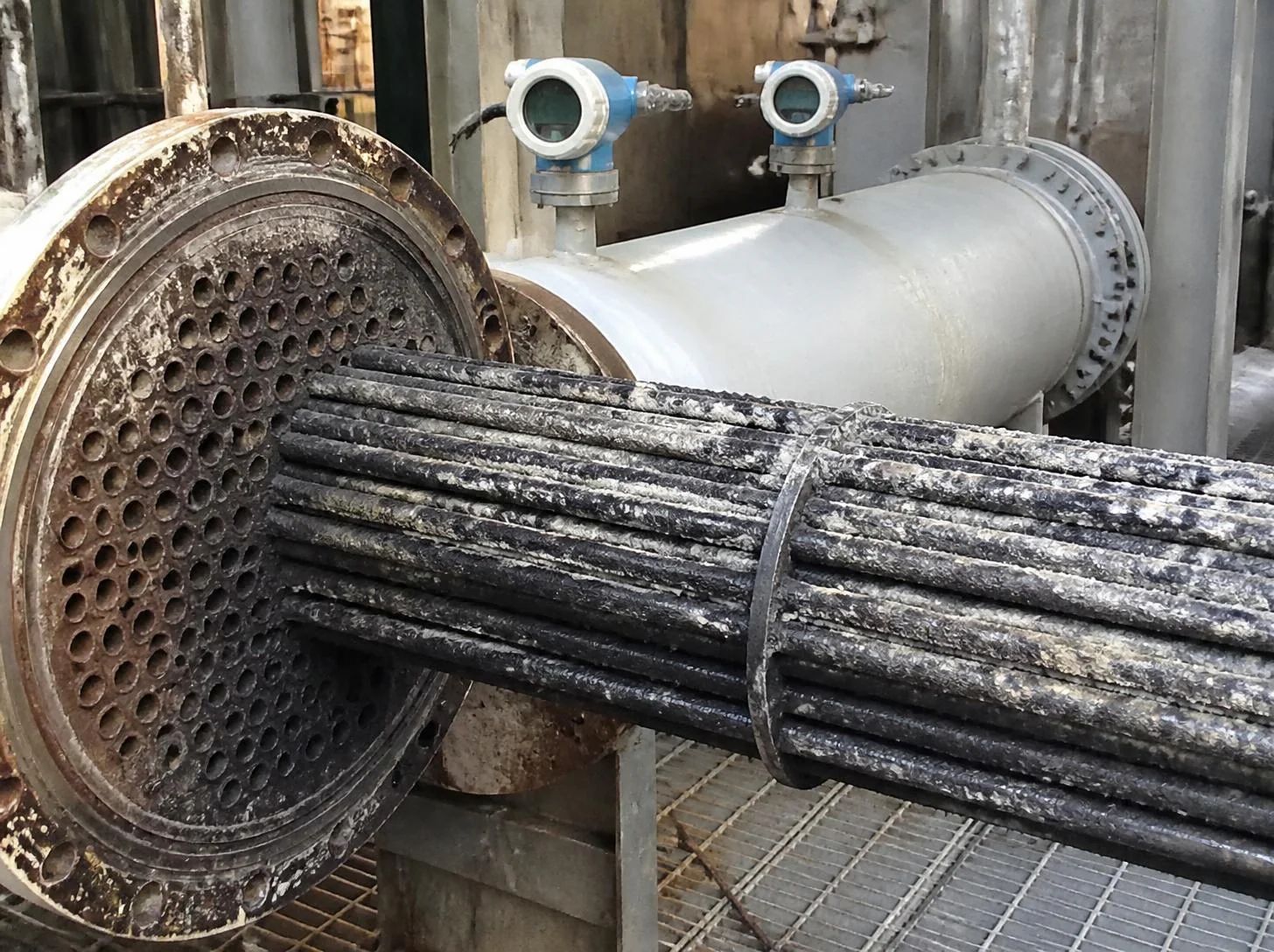
A crude distillation unit preheat train recovers heat from hot product streams before the crude reaches the furnace. As exchangers foul, heat recovery falls and the furnace compensates with additional fuel. Heat transfer also moves with inlet temperatures, flow rates and the crude slate, so a performance drop is not automatically fouling. In a train of exchangers in series, fouling in one unit may not be isolated until its effect on the whole train is already significant.

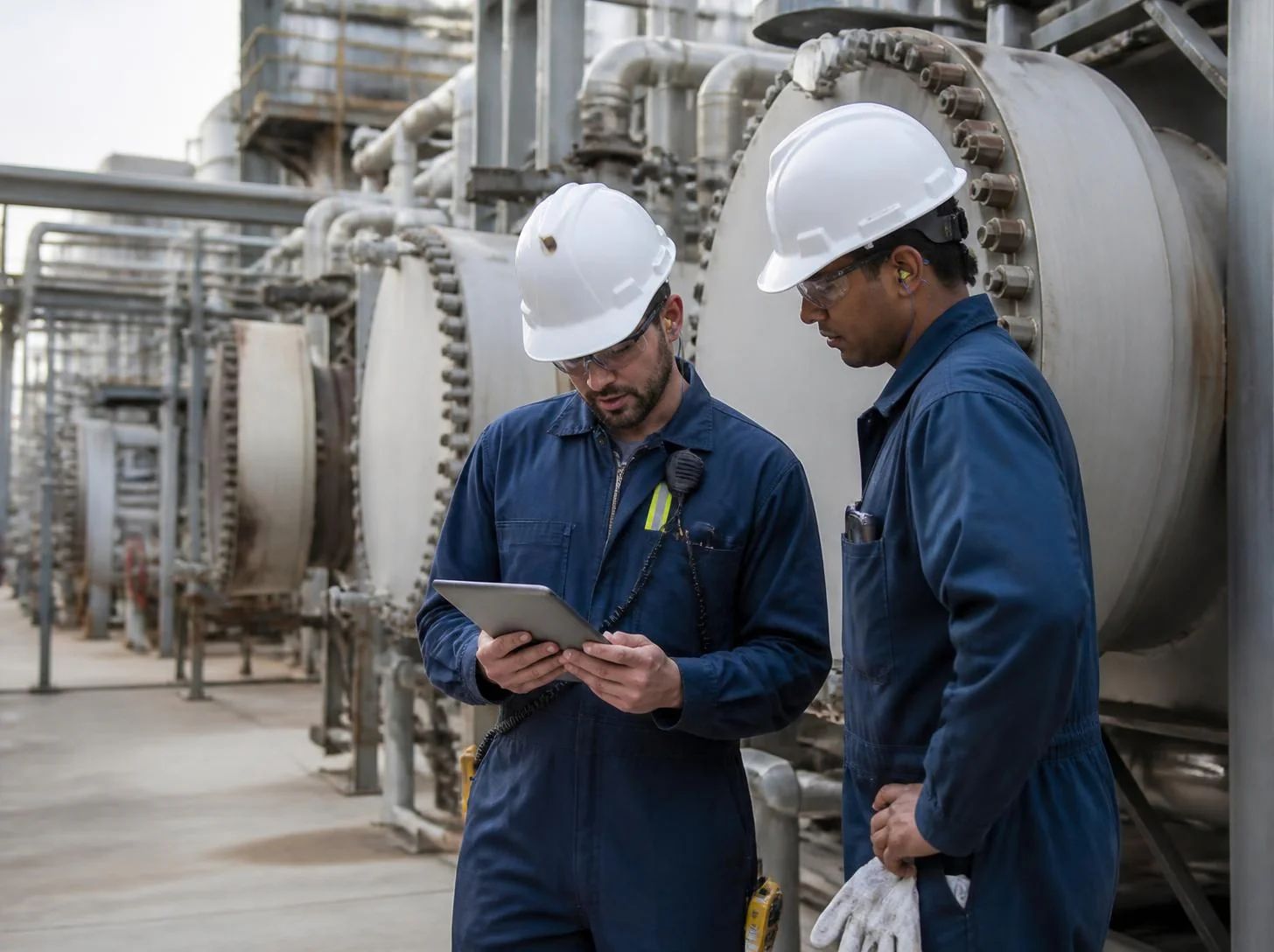
Process engineer reviewing predicted fouling status against an ε-NTU calculation baseline
01
02
03
  • 01Actual heat transfer
  • 02Clean-operation baseline
  • 03Exchanger fouling flag

The shift

From periodic thermodynamic calculationto deviation from a learned clean baseline.

ε-NTU monitoring can stay in place, and cleaning decisions stay with engineers. What changes is that each exchanger's expected clean performance is learned from its own data, so developing fouling shows up as a deviation earlier.

Today

Fouling seen in the calculation, or in the train

  • Fouling monitored mainly through the ε-NTU thermodynamic calculation.
  • Inlet conditions and crude properties are not modelled against each exchanger's own clean baseline.
  • Fouling in one exchanger stays unattributed until the train-level effect is significant.
With INSUS

Fouling onset flagged per exchanger

  • Expected heat-transfer performance is predicted from current inlet conditions for each exchanger.
  • Developing fouling is detected as a deviation from the exchanger's learned clean-operation baseline.
  • Cleaning and maintenance prioritisation is informed by exchanger-level detection.

How it works

From process datato a fouling detection signal.

This fits OptiStudio as process-monitoring decision support above the DCS and historian. Access is read-only. It never triggers cleaning. It complements ε-NTU monitoring rather than replacing it.

  1. Connect

    Link exchanger, crude and cleaning data

    Connect read-only to DCS and historian data for inlet and outlet temperatures and mass flow rates on each exchanger, specific heat capacity, crude oil property data from LIMS, preheat train configuration, and cleaning and maintenance history.

  2. Understand

    Learn each exchanger's clean-operation performance

    Using a period of confirmed clean operation, such as the weeks after a cleaning, the model learns how each exchanger's heat-transfer performance relates to its inlet conditions and the crude being processed.

  3. Predict

    Predict expected heat transfer under current conditions

    Predict the heat-transfer performance each exchanger should achieve under current inlet conditions if it were still clean, using a model trained on the plant's own clean-operation history.

  4. Detect

    Flag the exchanger that is fouling

    When actual performance deviates from the predicted clean-operation performance in a way consistent with fouling, raise a flag on that exchanger and add cleaning prioritisation guidance. Process engineers review each flag before acting on it.

  5. Verify

    Check flags against what cleaning reveals

    Compare detection flags with confirmed cleaning and maintenance findings, and compare detection timing with existing ε-NTU-based monitoring. Each exchanger's model is refined against its own operating history.

OptiStudio reading preheat train DCS, historian and LIMS data and raising exchanger-level flags

Getting started

Start with one exchangerand a confirmed clean period.

For crude preheat trains where fouling raises furnace fuel before the fouling unit is isolated. Delivered through OptiStudio as process-monitoring decision support. Expert Services can help with data assessment and validation. Advisory and read-only. Complements ε-NTU; does not replace it.

  • What we need. Inlet and outlet temperatures, flow rates, specific heat capacity, crude property lab data and cleaning history from the DCS, historian, LIMS and maintenance records, ideally including a confirmed clean-operation period.
  • What you see first. A fouling-flag view on one exchanger or train segment run alongside existing ε-NTU monitoring, then compared with confirmed cleaning findings before any live recommendation enters the workflow.
  • Where the limits are. Advisory and read-only. No new sensors when the train already logs temperature, flow and crude properties. No authority to trigger cleaning. Models are calibrated per exchanger and do not transfer unchanged. No detection-accuracy figure is quoted from external studies as a site guarantee.
Explore OptiStudio

Questions process and energy engineers ask us

Preheat-train fouling raises furnace fuel, but train-level monitoring often isolates the fouling exchanger late. This use case flags fouling against each exchanger's learned clean baseline for process engineer review.

Historical inlet and outlet temperature, flow rate and crude property data, ideally including a confirmed clean-operation period, together with cleaning and maintenance history. No new sensors when a modern preheat train already generates that data.

No. It complements ε-NTU monitoring with an earlier, data-driven signal. The process engineering team reviews every flag. It does not trigger cleaning or maintenance.

Attribution to a specific exchanger depends on that exchanger having its own temperature and flow measurements. Where those exist, the system compares each unit against its own clean baseline.

Through OptiStudio as process-monitoring decision support. Expert Services can support data assessment, integration and validation with your process team.

Peer-reviewed work has shown that data-driven models can be more sensitive to fouling onset than ε-NTU on studied preheat trains. Those findings belong to those plants, not to every train, and not to us. Value is measured against your own cleaning findings and fuel baseline.

It needs a usable clean-operation baseline that covers the crudes the unit runs. Models are calibrated per exchanger and do not transfer unchanged. Some model families extrapolate poorly to unfamiliar conditions.

Industrial Operations · Heat recovery

Find the fouling exchanger earlier in the cycle.

A flag view on one exchanger or train segment, run beside your ε-NTU monitoring, will show whether a learned clean baseline spots fouling before the furnace has been making up lost heat recovery.