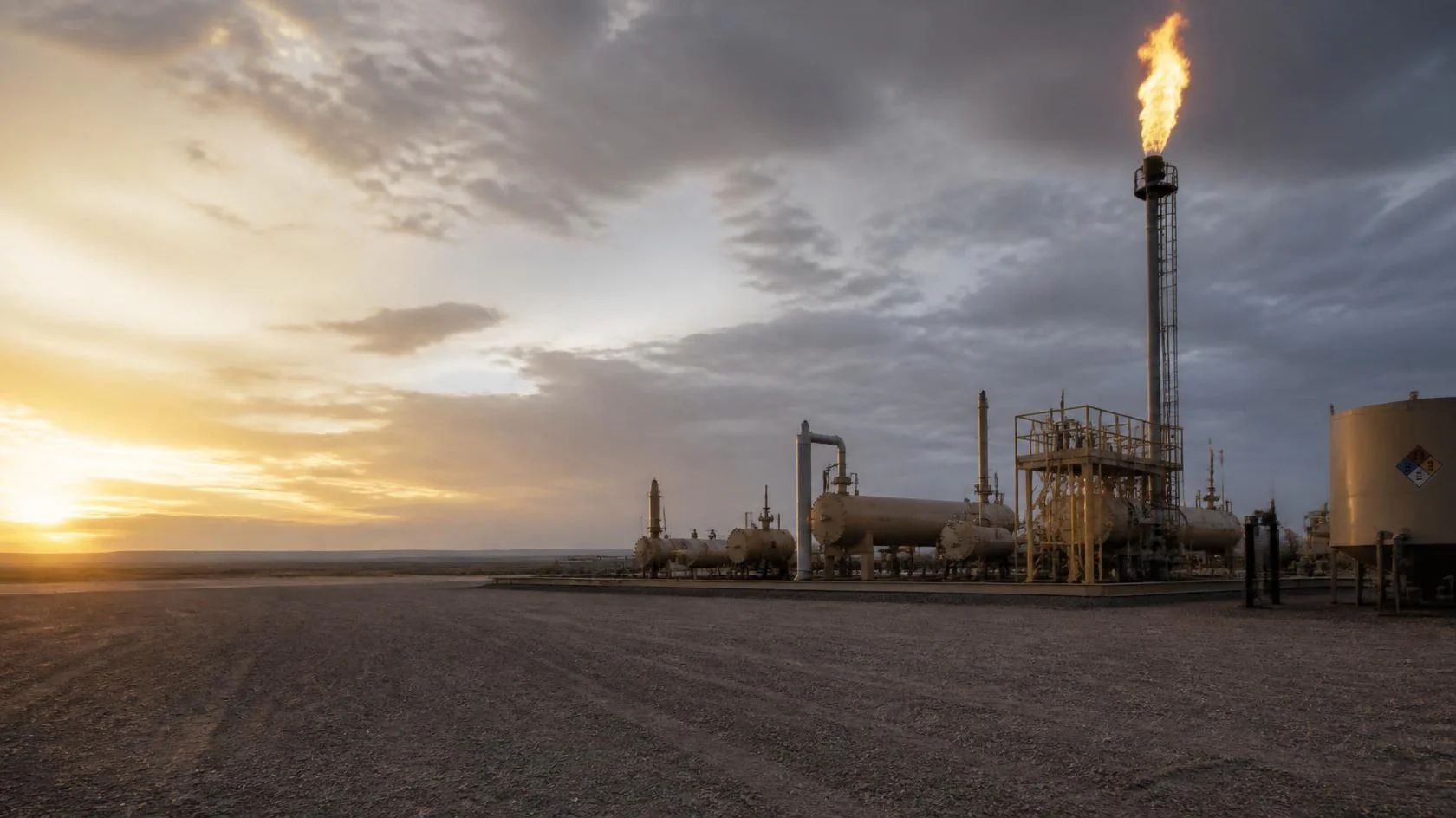
Fixed lift gas.Put it where it still lifts.

INSUS models how each gas-lifted well responds to injection from the asset's own history, and advises how to allocate limited lift gas across the field while respecting compression, separation and handling constraints. Production engineers approve every change.

  • 01

    Limited lift gas creates a multi-well production trade-off.

  • 02

    Allocate against current well behaviour, not stale design curves.

  • 03

    Advisory only. Production engineers approve every injection change.

The problem

An optimisation everyone knows.Few can recalculate every week.

Gas lift allocation is established production engineering. The challenge is keeping the inputs current. Well response changes over time, facility constraints move, and design-study curves can become stale long before the next optimisation exercise. Injection is then set cautiously when the expected production effect is uncertain, and the binding constraint may no longer be the one the last study assumed.

Multiple gas lift wells with different production responses under a constrained gas supply
01
02
03
  • 01Well response peak
  • 02Limited lift gas
  • 03Shared facility constraint

The shift

From periodic studiesto continuously current well response.

The optimisation objective is familiar. What changes is keeping well-response models current, identifying the constraint that is actually binding, and showing the expected effect of each proposed allocation change before engineers make it.

Today

Allocate from the last study

  • Gas allocation revisited periodically rather than when well behaviour changes.
  • Well response curves may be based on tests that are months old.
  • Lift-gas supply treated as the primary constraint without testing which facility limit binds.

With INSUS

Allocate against current response

  • Well response models updated from the asset's operating history.
  • Lift gas, compression, separator and produced-gas constraints evaluated together.
  • Expected production gains shown with uncertainty before changes are implemented.

How it works

From well responseto an allocation plan.

This fits OptiStudio as allocation decision support above SCADA and the production historian. Access is read-only. It does not change injection rates. Production engineers approve every recommended change.

  1. Connect

    Bring well and facility data together

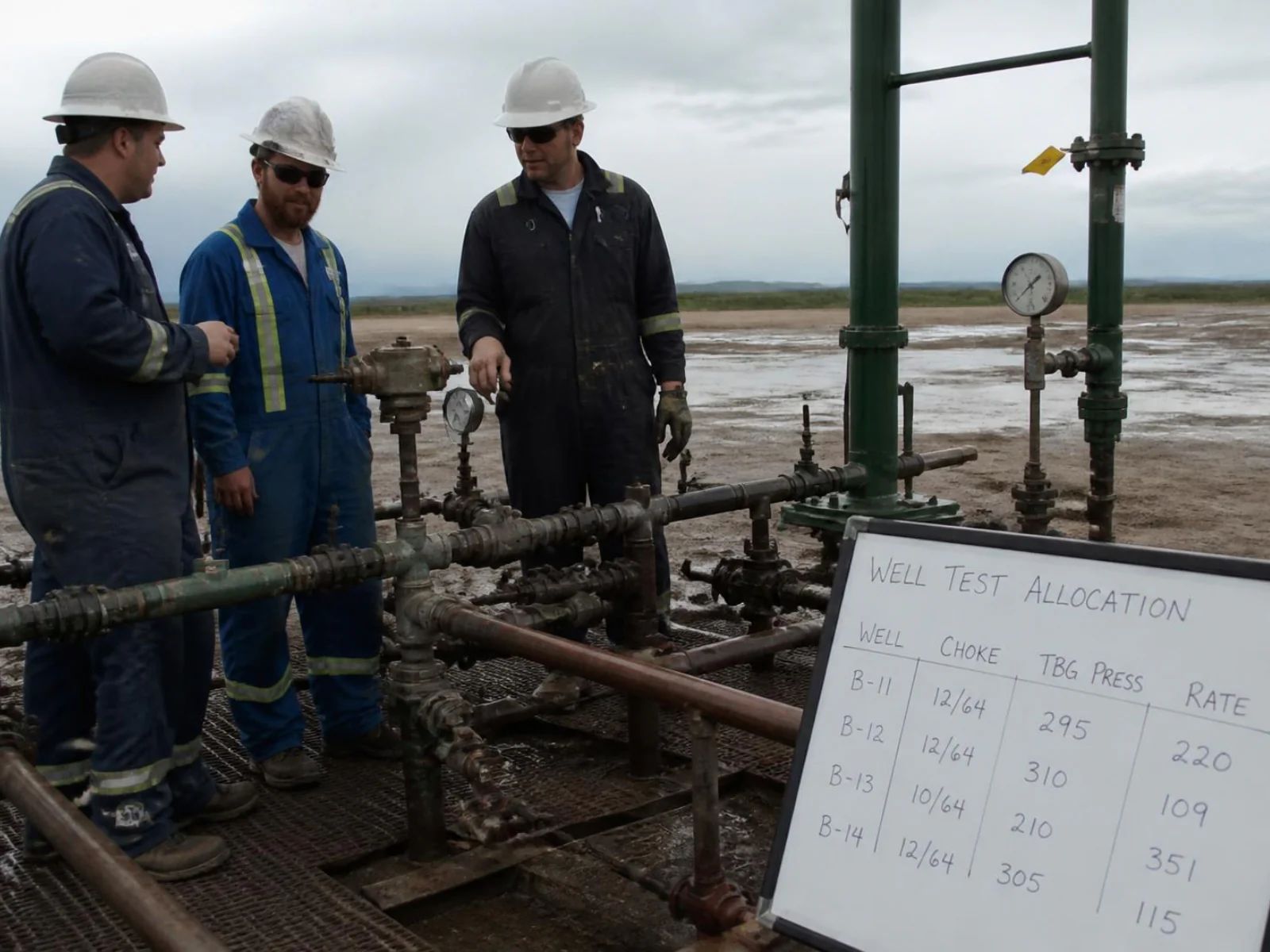
    Connect per-well lift-gas injection rates, wellhead and downhole pressures, choke positions, production rates, well-test history, compression availability, gathering conditions and separator constraints.

  2. Understand

    Learn each well's current response

    Model the relationship between lift-gas injection and production for each well using its own operating history, including how that response changes over time.

  3. Predict

    Model the effect of candidate allocations

    Estimate expected production at different injection rates and identify which shared system constraint would become limiting first, with uncertainty shown around the predicted response.

  4. Advise

    Allocate the gas where it creates the most value

    Advise injection across the well set while respecting available lift gas, compression capacity, separator limits, produced-gas handling and other relevant production constraints. Engineers decide what to apply.

  5. Verify

    Track predicted versus realised production

    Compare actual production after each approved allocation change with the model's prediction. When a well consistently behaves differently, the response curve is recalibrated.

Existing upstream production and gas lift data feeding an allocation optimisation model

Getting started

Start with one platformwhere lift gas is already tight.

For upstream assets where lift-gas supply is constrained and per-well injection is measured. Delivered through OptiStudio as allocation decision support. Expert Services can help with data assessment and validation. Advisory and read-only. Discovery should establish whether an existing workflow already covers this.

  • What we need. Per-well lift-gas injection rates, production and well-test history, wellhead and downhole conditions, and compression, gathering and separator constraints. Header-only injection metering materially reduces value. INSUS does not provide metering hardware.
  • What you see first. A retrospective back-test against allocation changes the field has already made on one platform or field section, then a small number of supervised changes with measured production outcomes.
  • Where the limits are. Advisory and read-only. Production engineers review and approve every recommended injection change. Models need historical variation in injection rates to learn response. Automated control is not part of the initial deployment.
Explore OptiStudio

Questions production engineers ask us

Limited lift gas must be shared across wells that respond differently, while design curves and facility constraints go stale. This use case advises allocation against current well response for production engineer review.

Per-well lift-gas injection rates, production and well-test history, wellhead and downhole conditions, and compression, gathering and separator constraints. Header-only injection metering materially reduces value. INSUS does not provide metering hardware.

No. The initial deployment is advisory and read-only. Production engineers review and approve every recommended injection change. Automated control would only be considered as a later, asset-specific maturity stage.

Existing engineering and network models can already optimise gas lift. The differentiation is keeping well-response models current from operating data, showing uncertainty around predicted changes and identifying the constraint that is actually binding. Discovery should establish whether an existing workflow already provides these capabilities.

Through OptiStudio as allocation decision support. Expert Services can support data assessment, integration and validation with your production team.

Each well has a response curve. Increasing injection can improve production up to a point, but excessive injection can reduce production and raise operating requirements. The useful rate therefore differs by well.

The model needs sufficient historical variation in well injection rates to learn response. Reliable per-well injection metering is important. Gas-lift optimisation is an established category, so the case is measurable improvement over the customer's existing workflow, not novelty of the objective.

Upstream · Artificial lift

Same gas. Is your allocation leaving oil behind?

A back-test on allocation changes you have already made will show whether current well-response models reveal production headroom, and how confidently that headroom can be acted on.