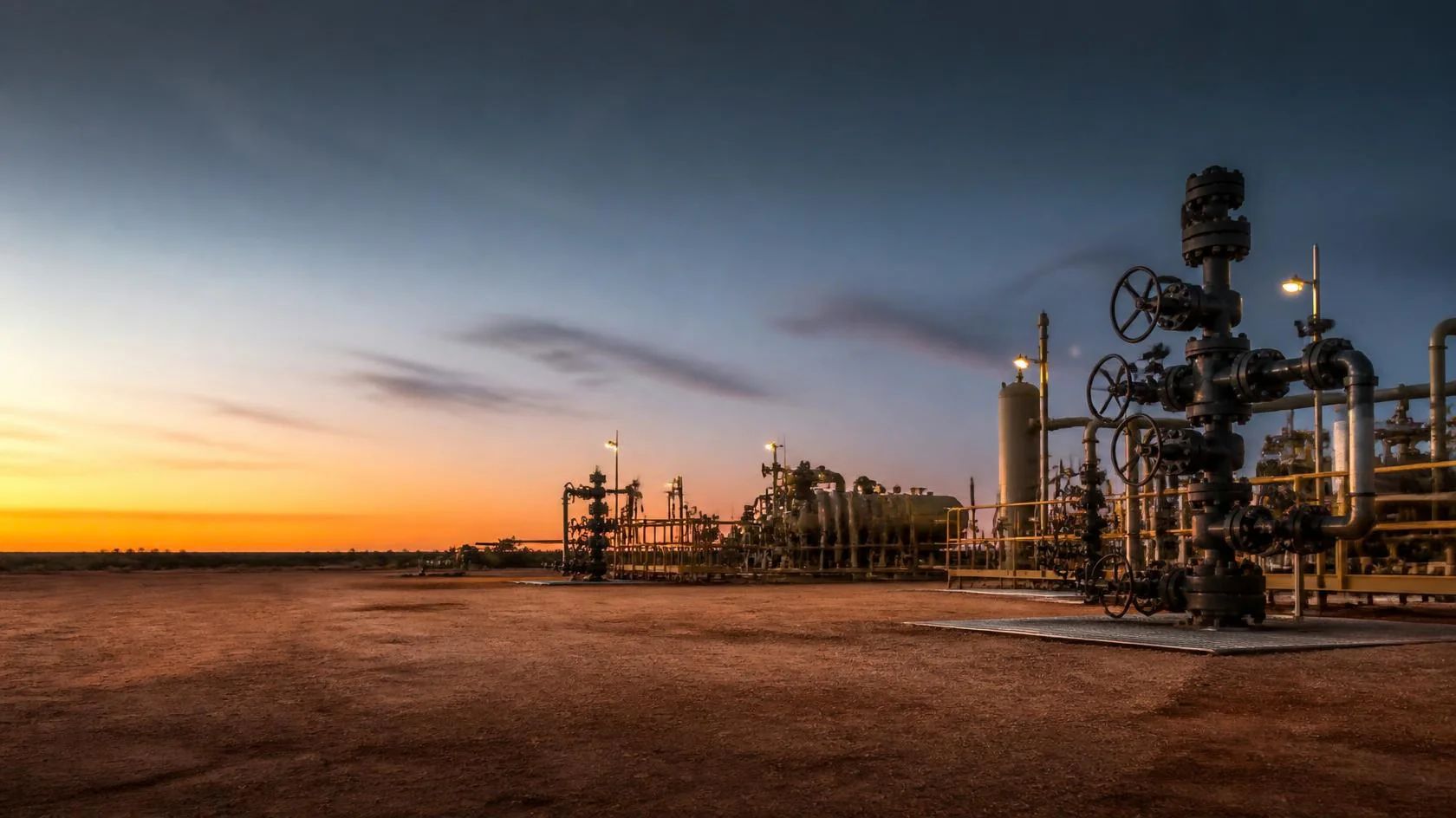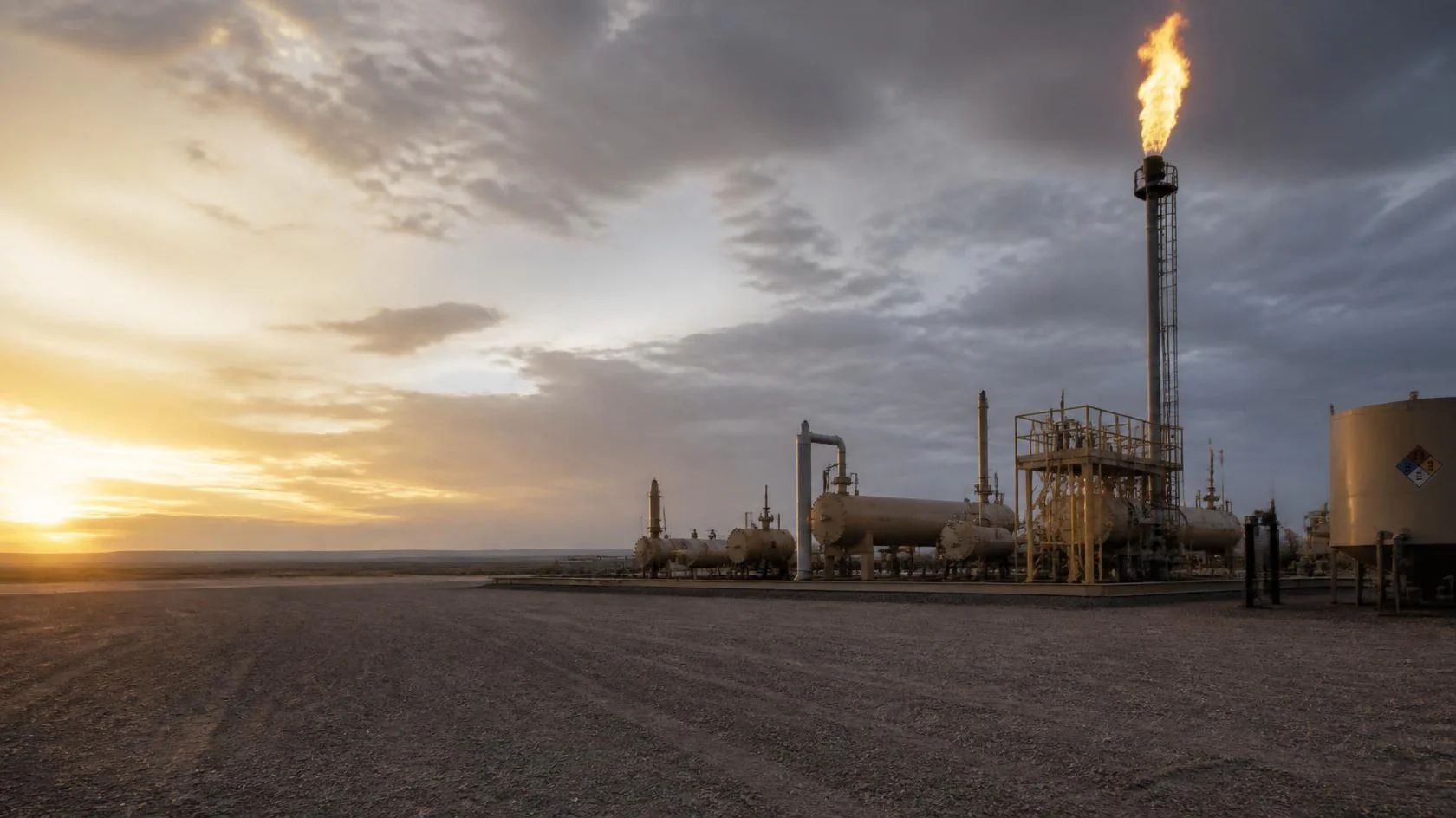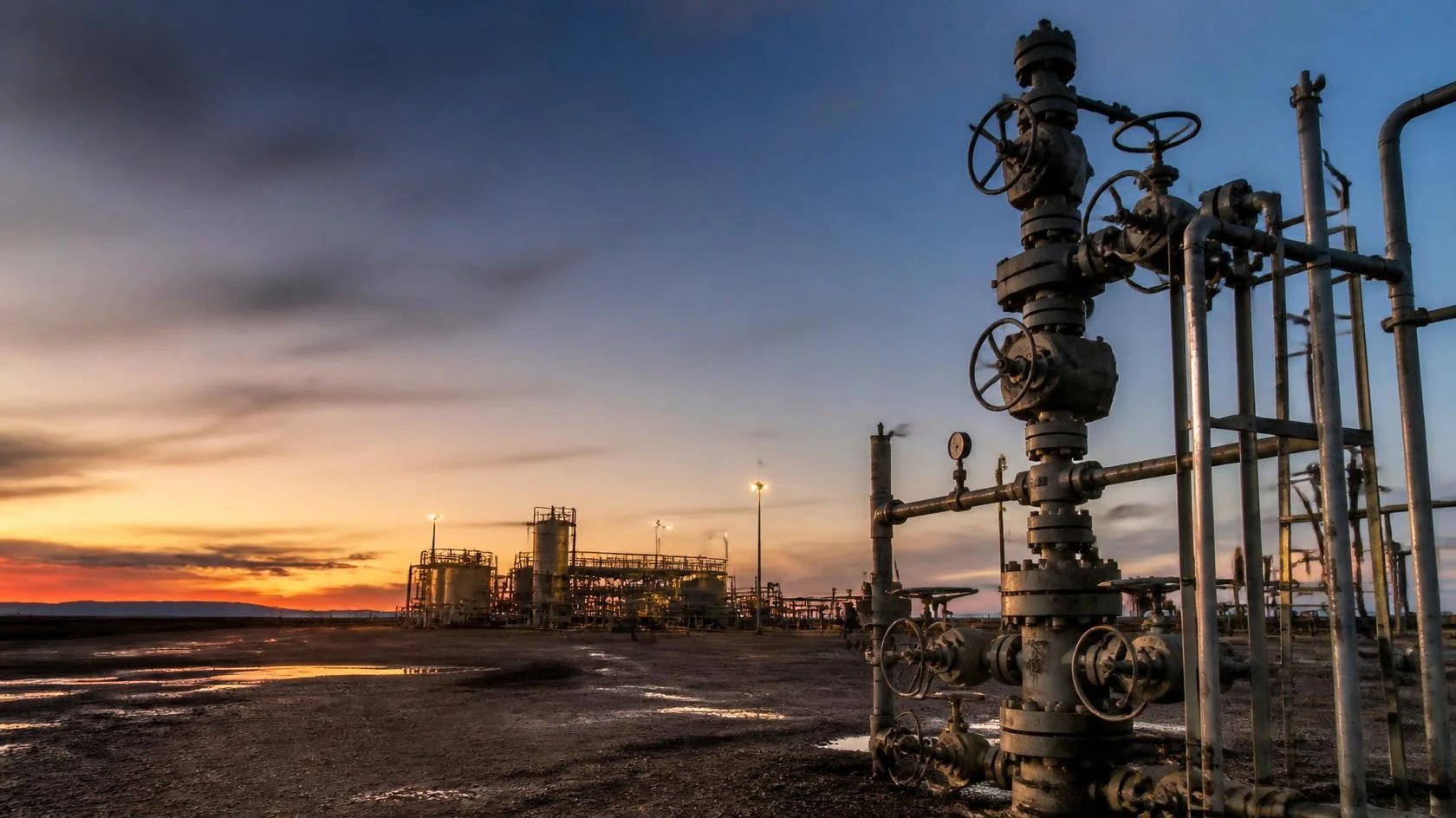
Today
Rates known at test frequency
- Per-well rates known at test frequency and assumed constant in between.
- Water cut trends detected when a test happens to reveal them.
- Allocation performed on periodic figures without stated uncertainty.

INSUS estimates per-well oil, gas and water rates from pressure and temperature sensors already on the wellhead, calibrated against the well tests the asset already runs. Production engineers decide how to use every estimate.
01
Rates estimated between tests, with confidence bounds.
02
Runs on wellhead sensors and well tests you already have.
03
Advisory only. Not custody transfer or fiscal measurement.
The problem
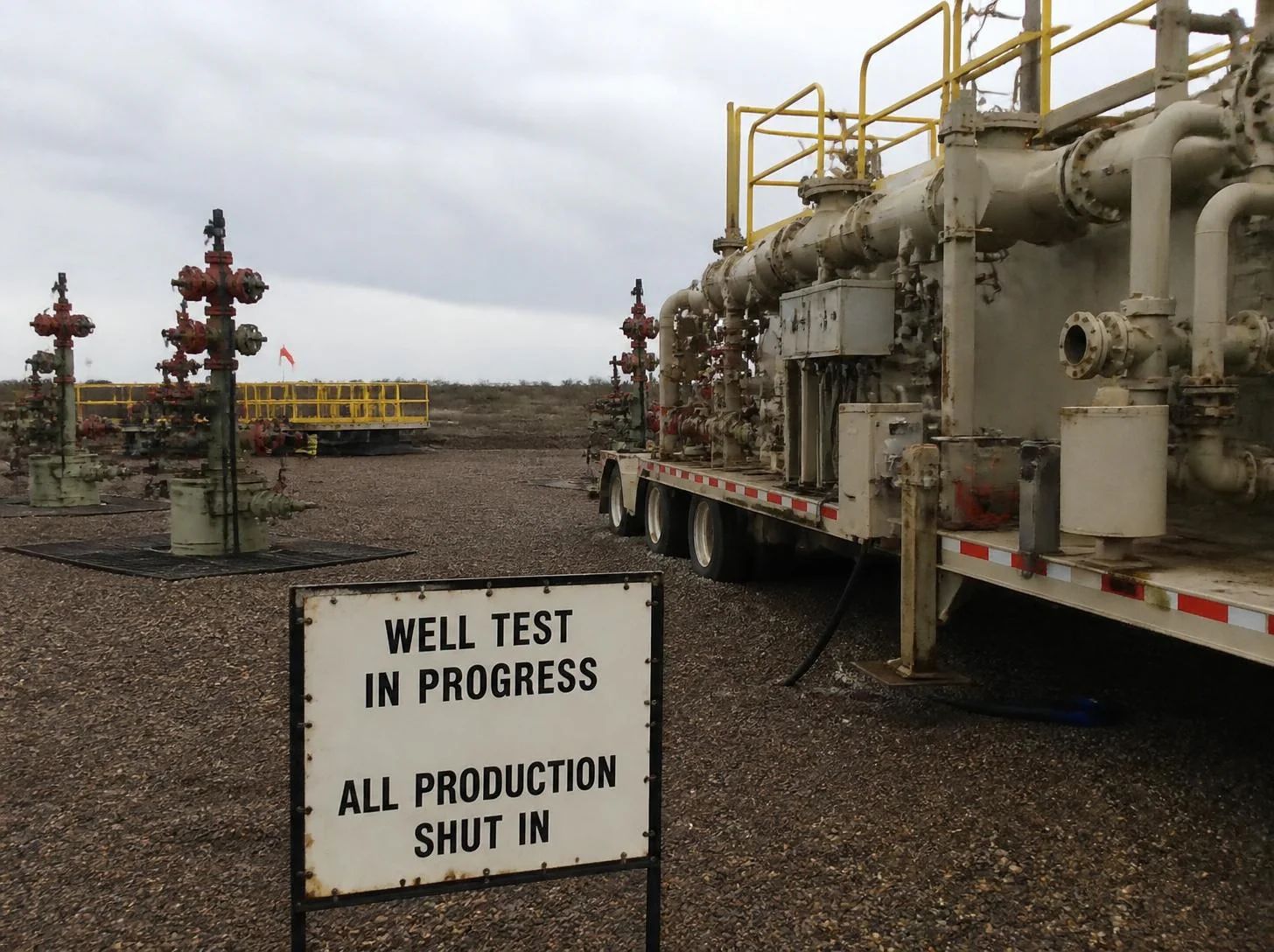
Almost every production decision depends on knowing what each well is producing: lift allocation, choke settings, water management, intervention planning and allocation accounting. Well tests are high quality but infrequent; a test separator handles one well at a time. Multiphase meters give continuous readings but drift and cost specialist mobilisation. Optimisation then runs on figures that may be weeks old, and water breakthrough or declining lift performance is found at test frequency rather than as it develops.
The shift
The well test remains the reference. What changes is whether the days between tests are blank or modelled.
Today
With INSUS
How it works
This fits OptiStudio as a per-well soft sensor above SCADA and the historian. Access is read-only. It has no control authority over chokes or lift. Not custody transfer or fiscal measurement.
Connect
Connect read-only to wellhead and choke pressures and temperatures, choke position, downhole gauges where available, artificial lift sensors, separator and export metering, well test history, PVT data and completion configuration.
Understand
A per-well model relates measurable conditions to tested rates, combining first-principles flow modelling with data-driven correction learned from that well's own test history.
Predict
Produce continuous oil, gas and water rate estimates per well, each with an uncertainty band. The band is as much the deliverable as the estimate.
Detect
Flag water breakthrough, declining productivity, liquid loading, and choke or meter drift as they develop. Production engineers decide how to act.
Verify
Every new well test is a labelled observation. Model error is tracked per well, and where uncertainty has grown too wide, the system says so rather than producing confident numbers.
Getting started
For upstream assets where per-well rates are needed more often than a test separator can deliver. Delivered through OptiStudio as a per-well soft sensor. Expert Services can help with data assessment and validation. Advisory and read-only. Not a fiscal measurement solution.
Related for upstream
Virtual flow metering sits beside gas lift allocation that consumes those rates, and methane reconciliation on the same production data layer.
Well tests are accurate but infrequent, so many production decisions run on rates that may be weeks old. This use case estimates per-well oil, gas and water rates between tests from existing wellhead sensors, with uncertainty stated.
Wellhead pressure and temperature instrumentation, well test history with operating conditions, matching historian data, and PVT and completion records. No new hardware for instrumented wells. A well with no instruments cannot be modelled.
No. Well tests are the reference the model is calibrated against. Multiphase meters can be complemented, including as a cross-check on meter drift.
No. Where allocation carries legal or contractual weight, the role of an estimate has to be agreed with partners and regulators.
No. It produces estimates, not control actions, and has no authority over chokes or lift. Production engineers judge where estimates are usable.
Through OptiStudio as a per-well soft sensor. Expert Services can support data assessment, integration and validation with your production team.
Accuracy depends on instrumentation and well test record quality. Models degrade as fluid properties shift, which is why recalibration tracking is first-class. Virtual flow metering is an established category, so expect comparisons with incumbents on accuracy.
Upstream · Production measurement
A back-test on your own well test history will show how well that question can be answered from data you already record, and for which wells it cannot.