Inventory says one number.Site measurement says another.

INSUS reconciles source-level methane estimates with site-level measurements, helps explain the difference and maintains the evidence trail for reporting and third-party verification. Emissions specialists remain responsible for interpretation.

  • 01

    Reconcile source inventory with site-level measurement.

  • 02

    Keep discrepancies, uncertainty and evidence visible.

  • 03

    Advisory only. No Level 5 guarantee or legal determination.

The problem

A reporting standard that is reallya reconciliation problem.

Methane reporting can start with activity data and emission factors. Level 5 introduces a harder requirement: compare what the source inventory says with what site-level measurement shows, then account for why the two do not agree. The challenge is maintaining that comparison across operations, measurement campaigns and verification evidence, rather than assembling it as a periodic reporting exercise.

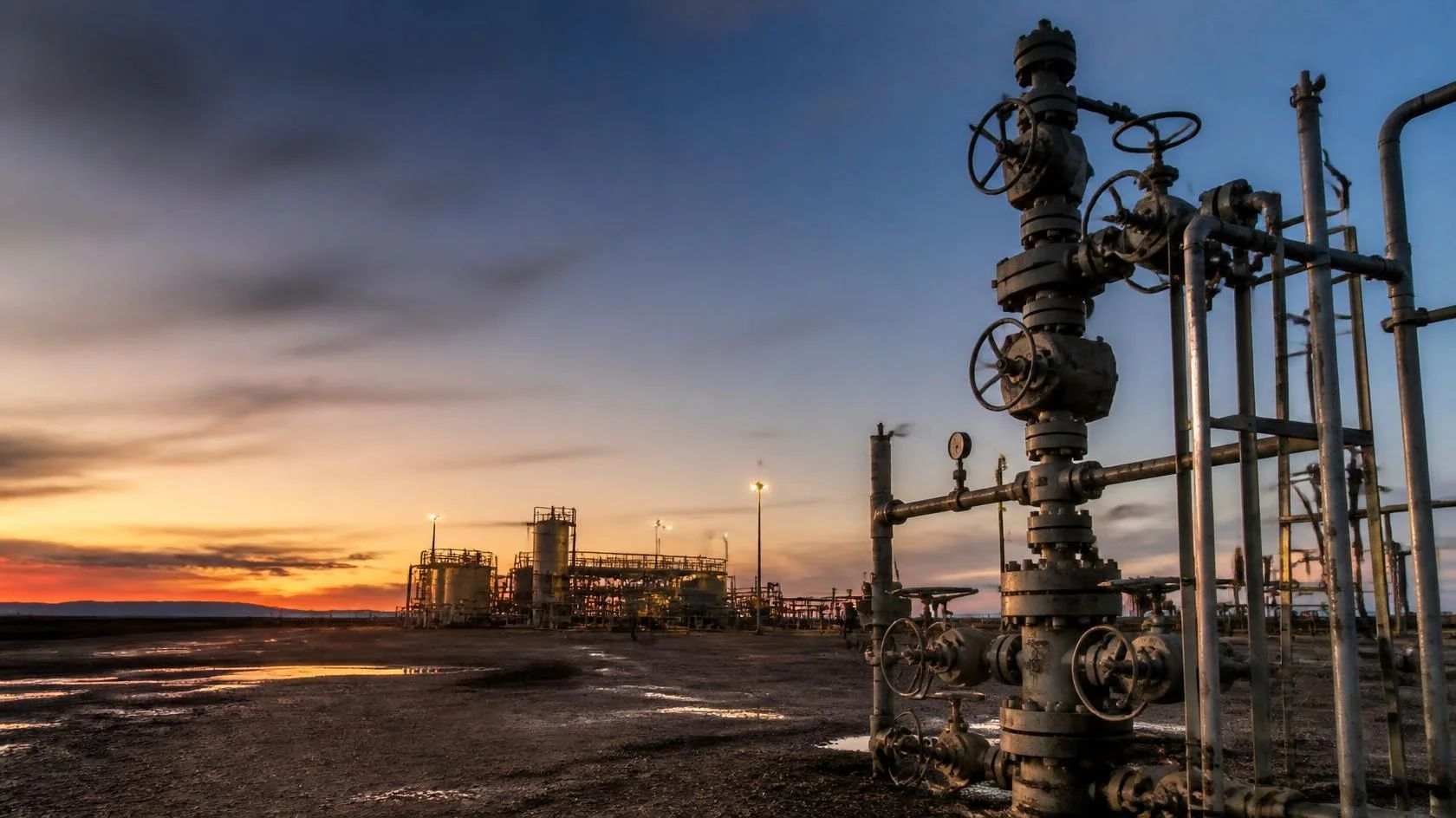
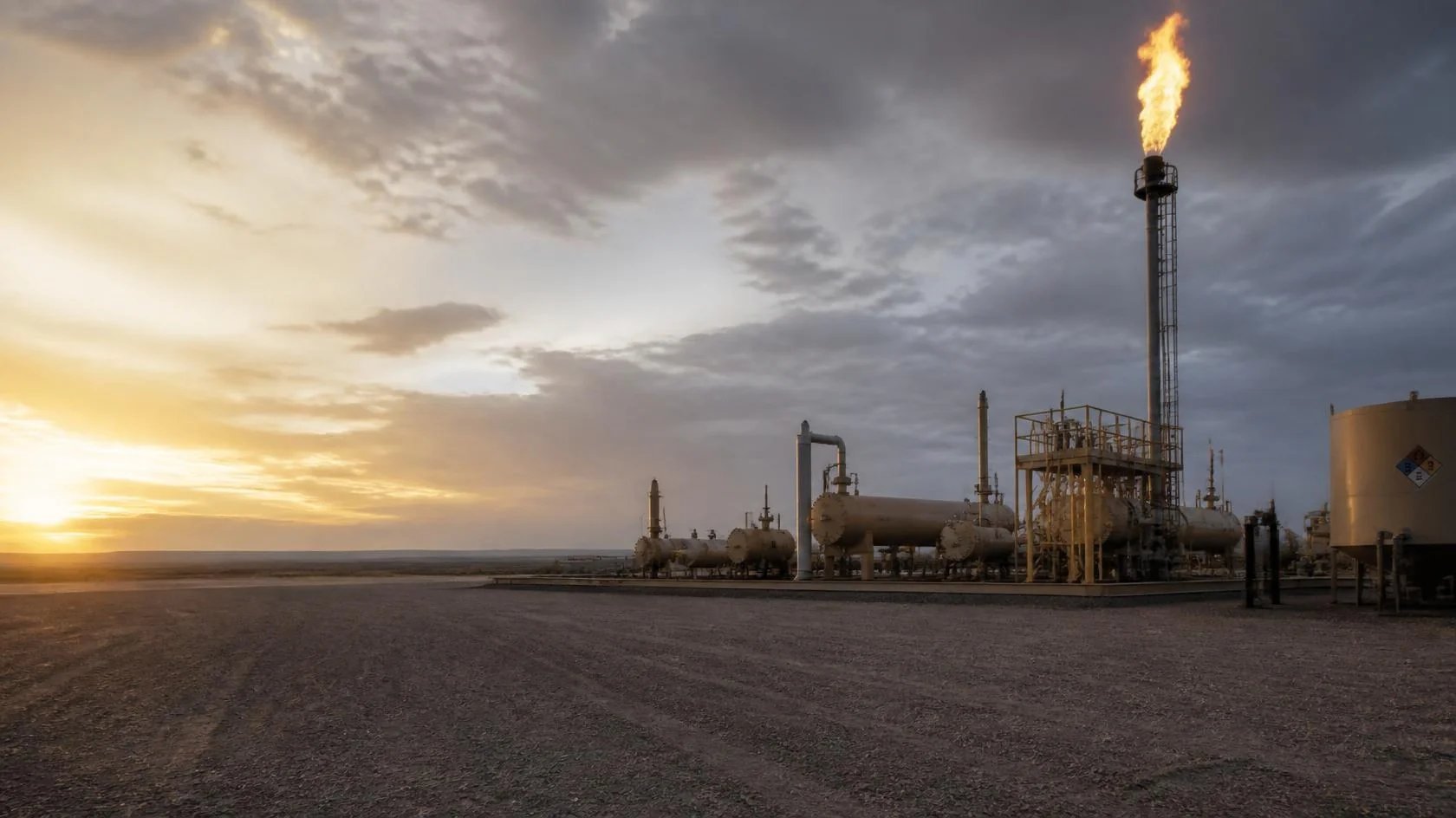
Bottom-up methane inventory and top-down site measurement showing an unexplained emissions gap
01
02
03
  • 01Source-level inventory
  • 02Site-level measurement
  • 03Unexplained gap

The shift

From reporting a numberto explaining a difference.

The hard part is not simply collecting more methane data. It is repeatedly accounting for why two valid measurement approaches disagree, stating the uncertainty and maintaining evidence that can withstand specialist and third-party review.

Today

Report the inventory

  • Source inventories built from activity data, equipment counts and emission factors.
  • Site or aerial measurement campaigns handled separately from the inventory workflow.
  • Verification preparation becomes a periodic reporting exercise.
With INSUS

Reconcile the evidence

  • Source-level inventory data remains traceable to operational records.
  • Measurement results ingested and compared against the inventory.
  • Uncertainty and unresolved gaps stay visible for verification.

How it works

From two disagreeing numbersto an explained gap.

Delivered through ExpertFlow AI as document intelligence over inventory, measurement and operations records. It organizes the reconciliation evidence. It does not replace physical measurement or guarantee OGMP Level 5.

  1. Connect

    Bring inventory, measurement and operations together

    Connect source-level inventories, equipment records, activity data, venting and flaring records, LDAR results, site-level or aerial measurement results, SCADA and historian data, maintenance records and applicable OGMP and regulatory documentation.

  2. Understand

    Align measurements with operating conditions

    Align inventory and measurement results in time and space, then relate them to the asset's actual operating state, so comparable measurements are distinguished from campaigns influenced by unusual conditions.

  3. Predict

    Estimate expected source-level emissions

    Model expected source-level emissions for the operating state being observed, creating a reference against which measured site-level emissions and potential unexplained differences can be evaluated.

  4. Identify

    Quantify and attribute the gap

    Compare bottom-up and top-down results, propagate uncertainty, attribute differences to identified sources or operating events where evidence supports it, and flag gaps that require further investigation.

  5. Verify

    Maintain evidence and improve the next cycle

    Track how the unexplained fraction changes over successive campaigns. Feed specialist and verifier findings back into the workflow and identify where additional measurement or LDAR effort could reduce remaining uncertainty.

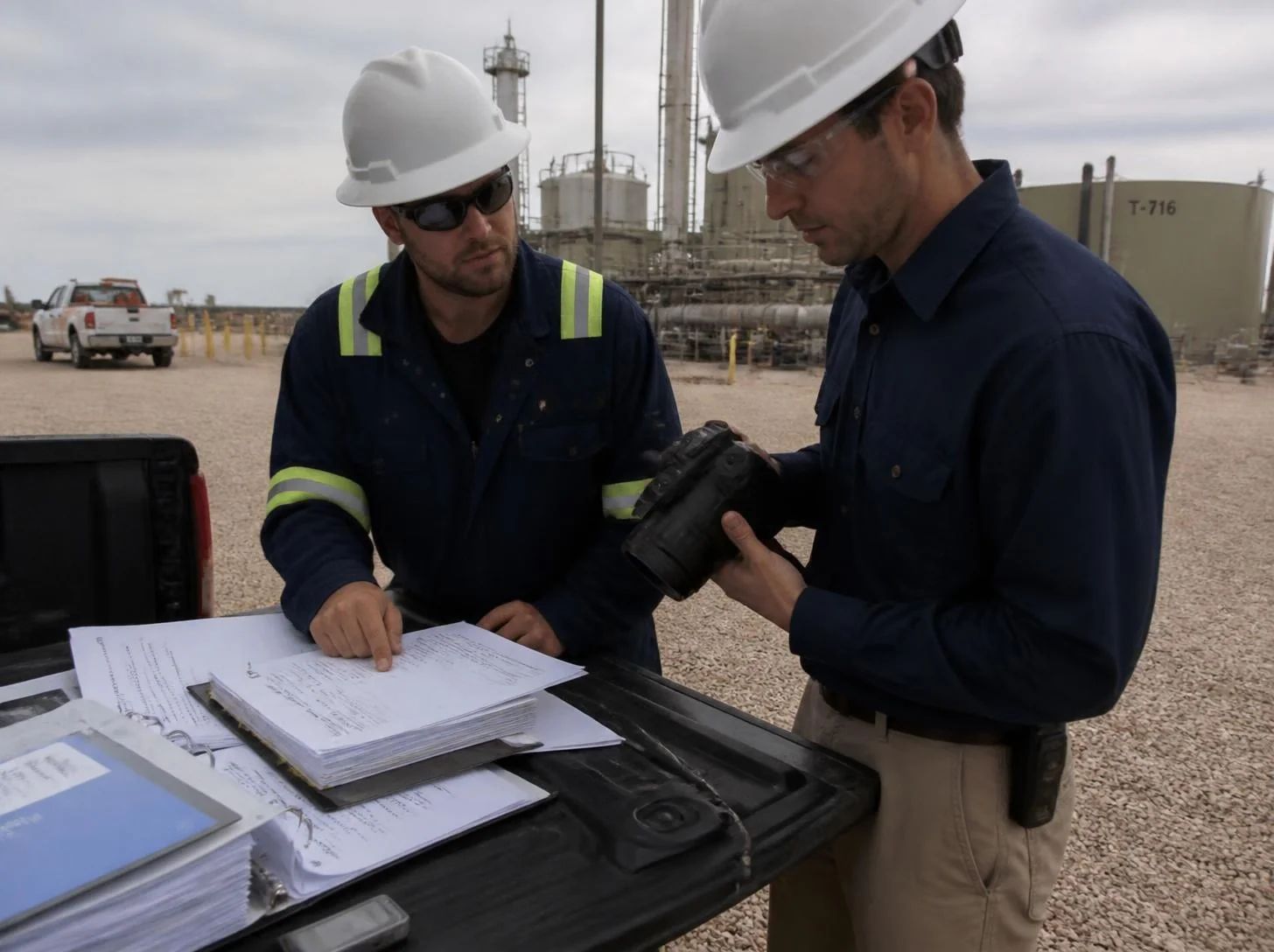
Upstream methane inventory, measurement and regulatory evidence connected in a document workflow

Getting started

Start with one completedmeasurement campaign.

For upstream operators preparing OGMP 2.0 Level 5-style reconciliation and related methane MRV evidence. Delivered through ExpertFlow AI as document intelligence. Expert Services can help with discovery and validation. It does not replace physical measurement services.

  • What we need. Source-level inventory, at least one completed site-level measurement campaign, operating and historian data for measurement periods, LDAR and repair records, and relevant OGMP and regulatory documentation. No new measurement hardware from INSUS.
  • What you see first. One operated upstream asset: reconcile one completed campaign using inventory, measurement results, operating data, LDAR and repair history, then see how much of the gap can be explained and where uncertainty remains.
  • Where the limits are. Software alone does not create site-level measurement or guarantee OGMP Level 5. Attribution only goes as far as available evidence. Regulatory interpretation and verification remain with qualified professionals and third parties.
Explore ExpertFlow AI

Questions emissions and HSE teams ask us

OGMP 2.0 Level 5 requires comparing source-level methane inventories with site-level measurement and explaining the difference. This use case supports that reconciliation and keeps the evidence trail ready for specialist and third-party review.

Source-level methane inventory, measurement campaign results, operational and historian data covering measurement periods, LDAR findings, repair records and relevant OGMP and regulatory documentation. No new measurement hardware from INSUS.

No. Site-level measurement may require instruments, aircraft, drones, satellites or other services the operator commissions. Software alone does not create the physical measurement required for Level 5-style reconciliation.

No. It supports reconciliation, documentation and evidence preparation. Reporting-level assessments and verification remain the responsibility of the relevant framework, specialists and third parties.

Through ExpertFlow AI as document intelligence. Expert Services can support discovery, evidence structuring and validation with your emissions team.

No. It can retrieve and organise applicable regulation and OGMP guidance with source references, but regulatory interpretation and compliance decisions remain with qualified professionals.

The system cannot attribute emissions not covered by available data. Non-operated assets depend on partner data quality. Regulatory requirements and guidance can evolve. Physical methane measurement remains outside INSUS scope.

Upstream · Methane MRV

How big is your gap, and can you explain it?

Take one completed methane measurement campaign and reconcile it properly. See how much of the difference can be explained, where uncertainty remains and what evidence would make the next verification cycle stronger.