Biotech industry

Where the culturepays for the miss

Cells grow for days or weeks before harvest. Contamination, titer and critical quality attributes are confirmed after the run has already moved. The suite still has to release.

  • 01

    This run's parameters, not last campaign's habit

    Read bioreactor, feed and utility tags the suite already logs, so conservative setpoints are not the only answer when seed or media drift.

  • 02

    The promising run identified before the suite is booked

    Score candidate parameter combinations against the cultivation and QC history the suite already holds, so experimental time goes where titer is most likely to improve.

  • 03

    The equipment stop while release can still be protected

    Read pumps, skids, HVAC and clean-utility signals already in the historian, so wear is flagged while maintenance can still be scheduled.

On the suite and in QA

The batch is decided inside the bioreactor

Biotech plants lose money in three places that rarely share one screen: a culture that drifts before titer is confirmed, a contamination event found after weeks of growth, and a deviation investigated after the campaign has moved on. Most of that is already in historians, LIMS, MES and environmental monitoring — after the fact.

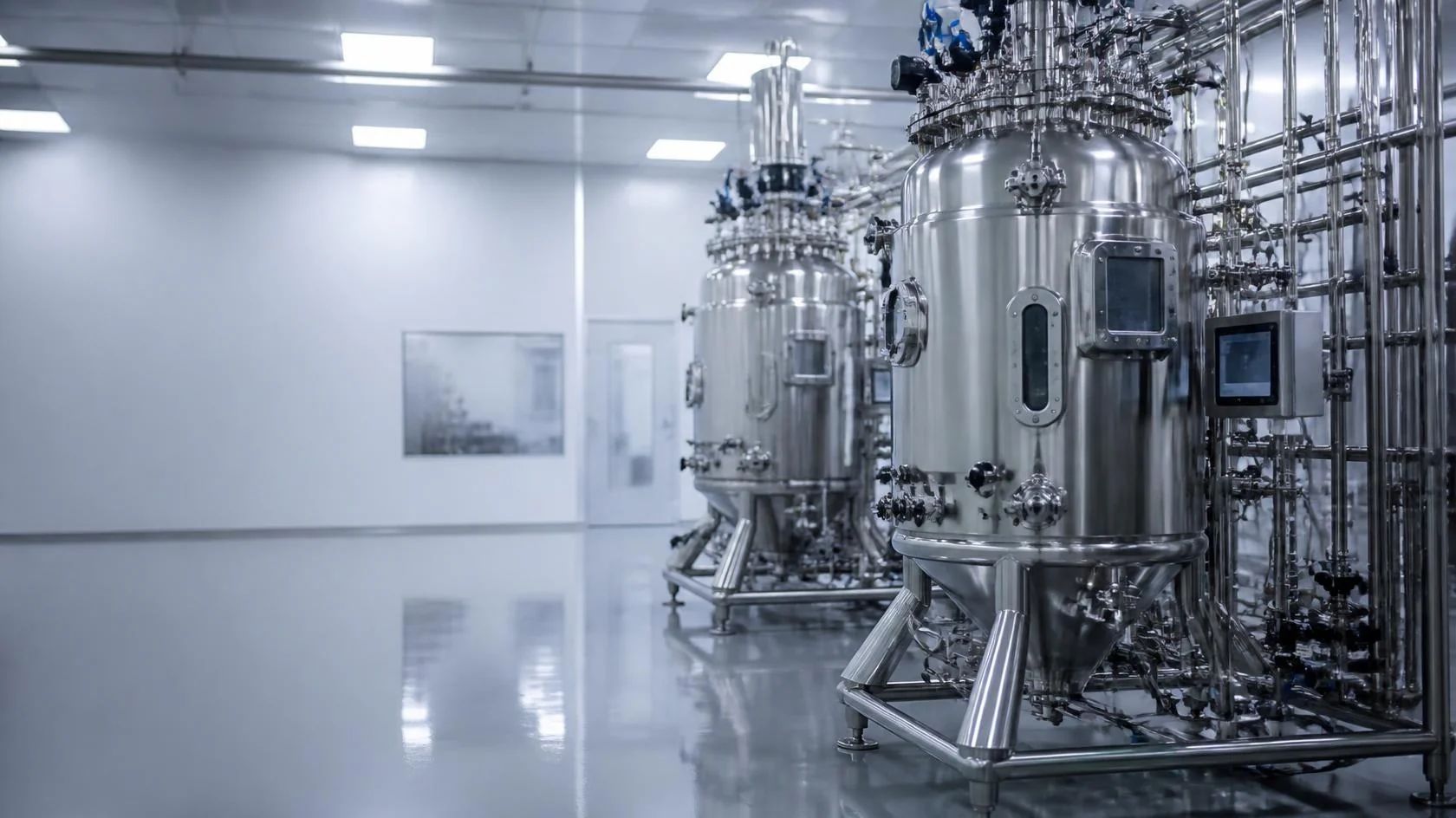
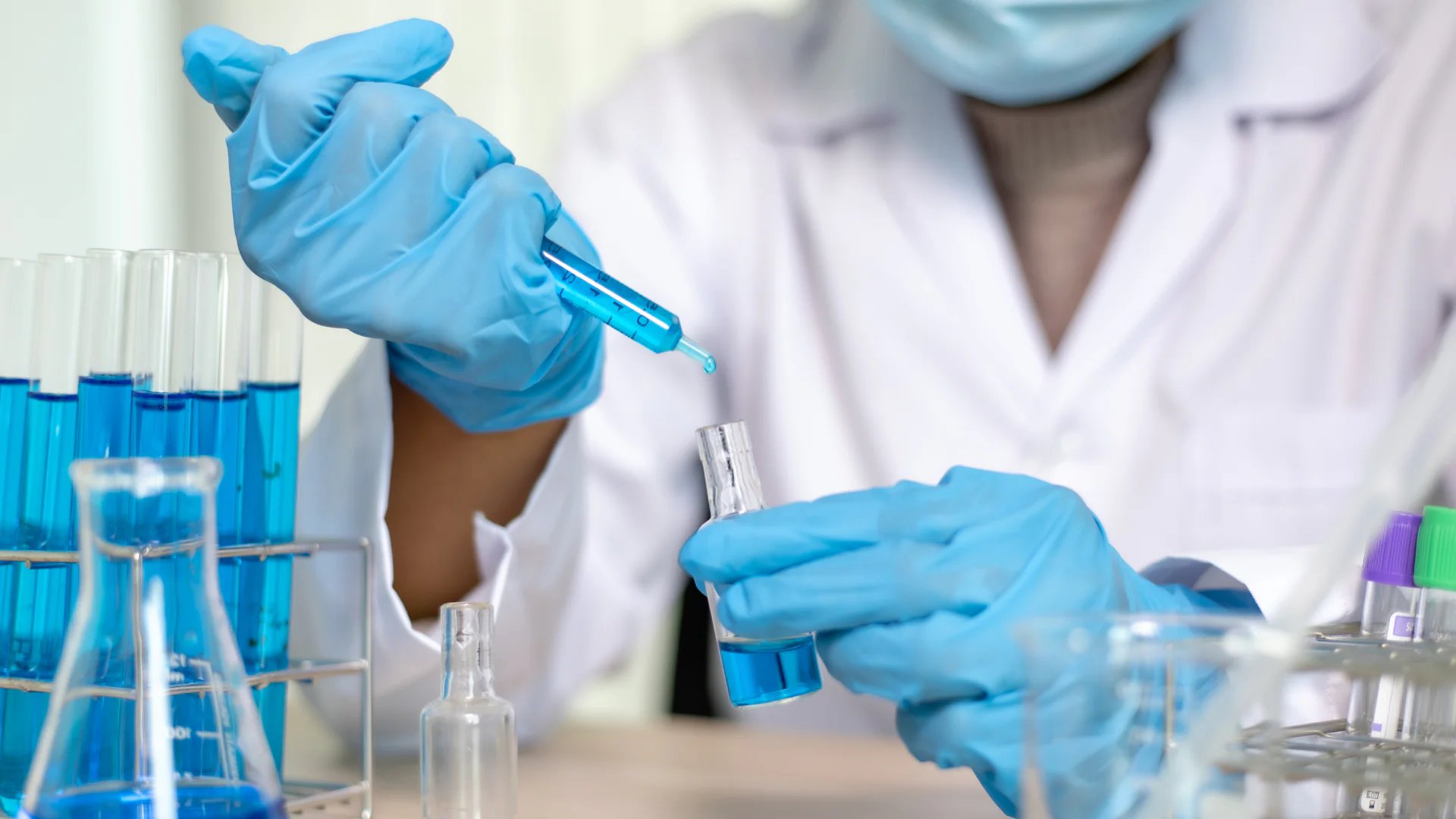
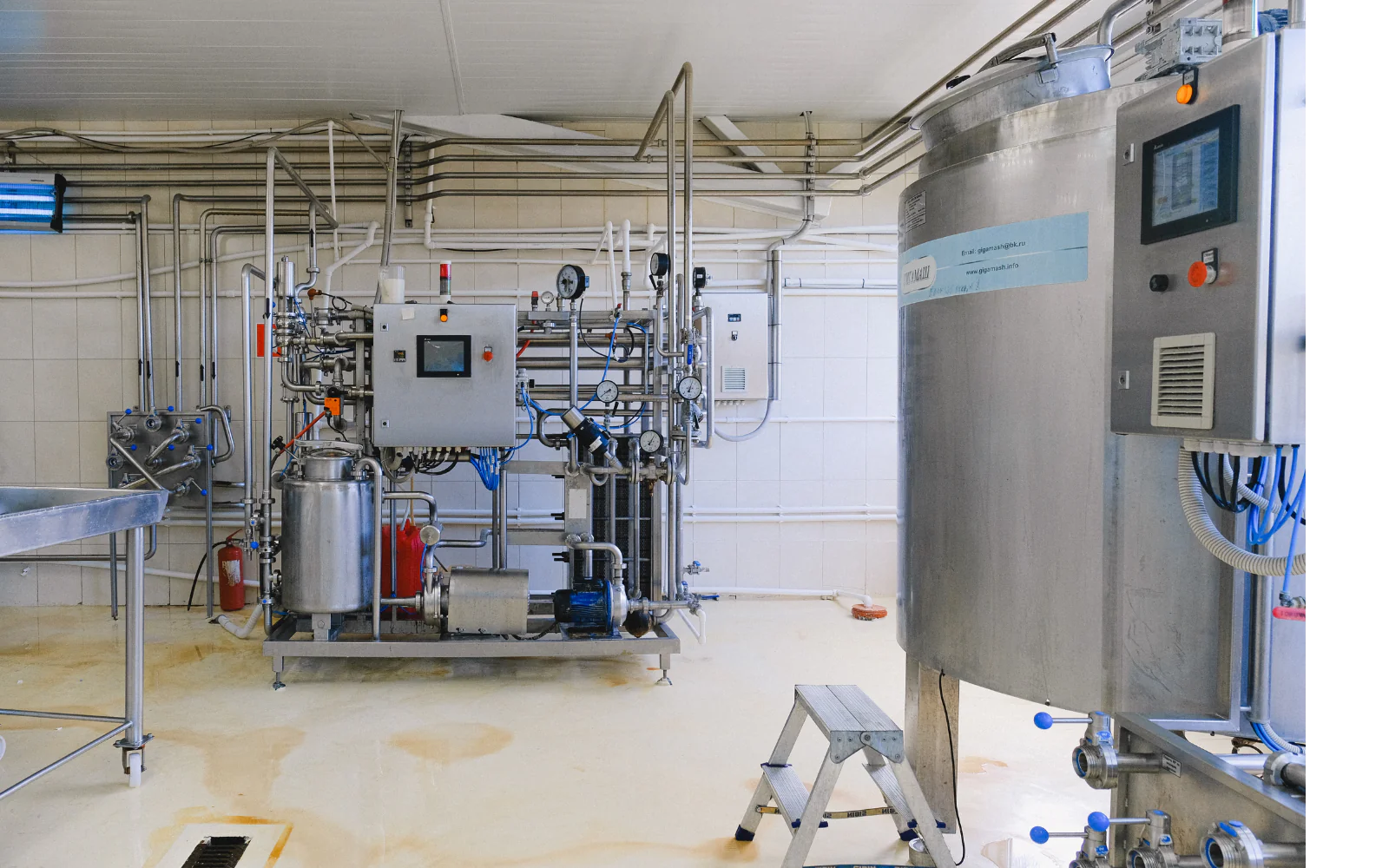
Biologics manufacturing suite with process equipmentThe bioreactor

Rejected runs are expensive because time is the feedstock

Upstream cultures consume weeks of suite time, media and labor before harvest. When contamination or quality failures reject a run late, the loss is not only the vessel — it is the campaign slot that cannot be remade overnight.
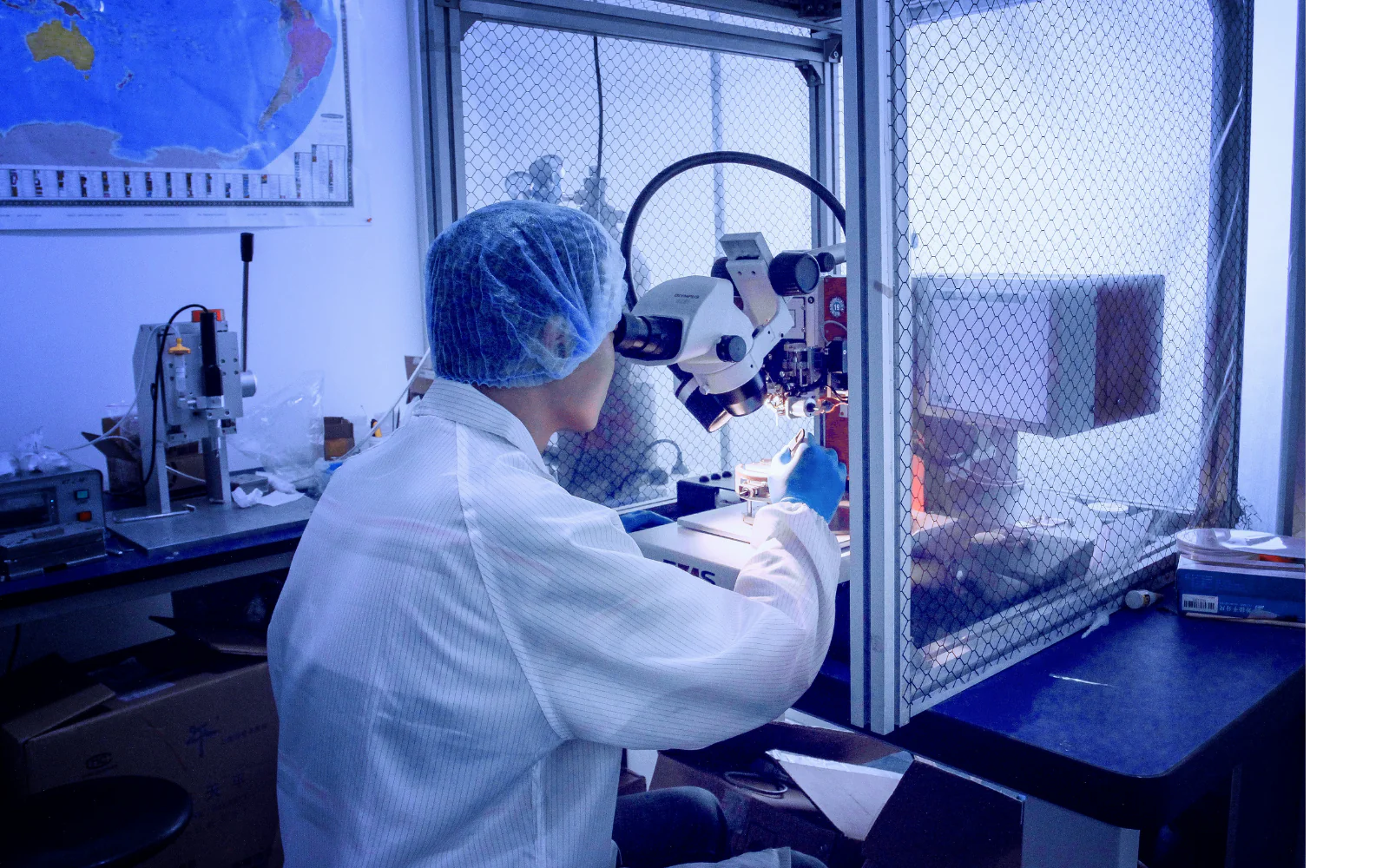
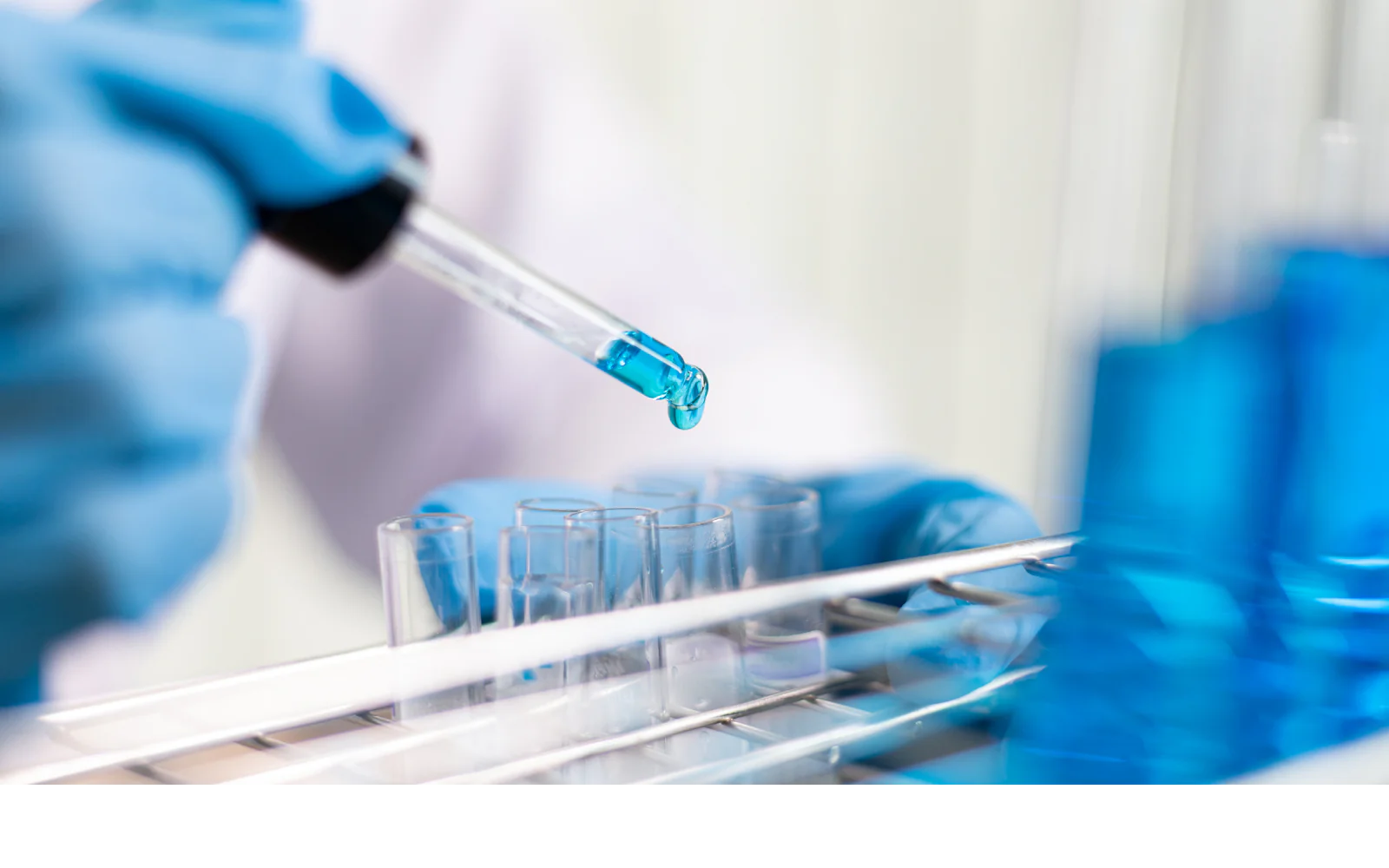
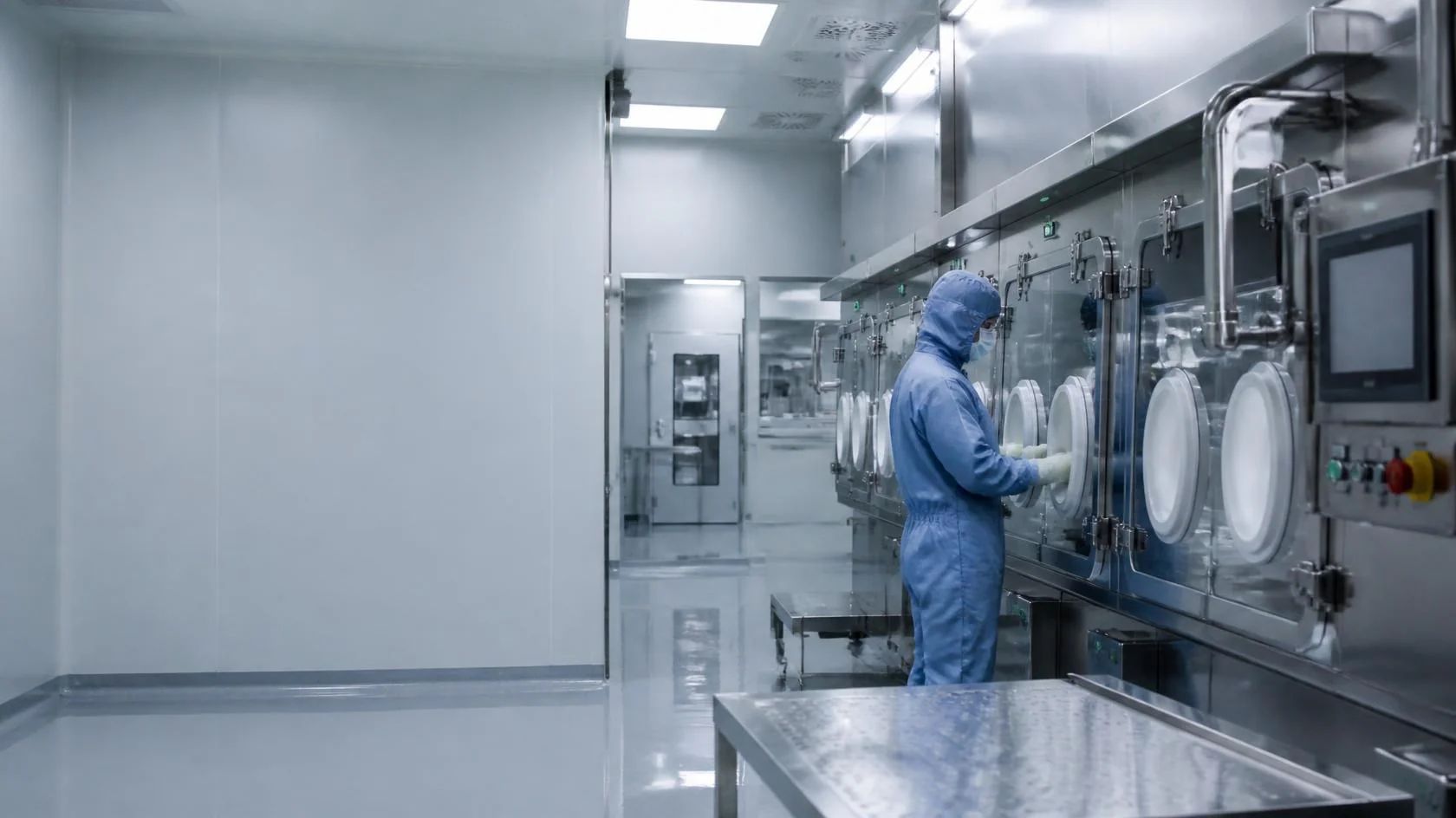
Quality and environmental monitoring records for biotech manufacturingContamination

Aseptic and environmental control still decide state of control

FDA warning letters and industry surveys repeatedly put microbiological contamination among the leading reasons bioreactor runs and batches fail. Investigations that do not reach root cause leave the next run exposed to the same entry point.

Biotech laboratory assay and batch reviewThe record

Yield and CQAs are confirmed after the run has moved

Titer, impurities and in-process controls still often reconcile late. By then the corrective feed, temperature or hold-time change that might have helped is history — and the deviation file is just opening.

Restarting the bioreactor is the easy correction. It is also how the campaign is spent.

INSUS works from bioreactor and utility tags, environmental monitoring, batch tickets and equipment logs a suite already keeps. If the gap is an unread alarm, a drifting feed strategy, or a contamination file that never joined the lot, that is what we will say. Recommendations stay advisory. Existing control systems, MES and quality gates stay in charge.

Explore the possibilities

Industry figures

The scale of what is being decided

Four external figures, each with its source. Nothing on this page is an estimate we made up. Where we cannot cite a number, we describe the situation in words instead.

FDA case

~20%

of bioreactor runs attempted between January 2022 and July 2024 were rejected for contamination or other quality failures at one FDA-inspected biologics facility — a rate the agency called excessive and evidence of loss of process control.

Source: FDA Warning Letter, Sanofi (Genzyme Framingham), 15 Jan 2025

Biotech upstream and downstream manufacturing operations

Common problems

Problems that cost you before you notice

None of these show up as a single alarm. They show up in the titer combinations never screened, the recovery a purification process never reaches, and the evidence gap found the week before an inspection.

  1. Parameter combinations multiply faster than runs can test them

    Titer depends on parameters that interact, so the combinations outnumber the cultivation slots available to screen them. The effect of a change is known only after a full run, and suite time goes to conditions that were never likely to help.

    See: Cell Culture Titer Optimization
  2. Downstream purification is searched one run at a time

    Load volume, velocity, buffer pH and conductivity interact, and each candidate condition costs material, column time and analysis. The design space is far larger than the runs available to screen it, so a better operating region can simply go unfound.

    See: AAV Affinity Purification Optimization
  3. Contamination control evidence is rebuilt for the inspection

    Monitoring results, requalification dates and batch record documentation sit in separate systems, tracked room by room. An approaching deadline or a gap in trend documentation is often found late — and each one is exposure against a named Annex 1 requirement.

    See: Annex 1 Contamination Control Strategy

Use cases

Places worth a closer look

Each is a specific starting point — this cell line, this serotype, this sterile suite — and a next conversation if it is worth your time.

CHO cell culture bioreactor operating in a biologics manufacturing suite
Upstream

Cell Culture Titer Optimization

Predict CHO cell culture titer for candidate process parameters before a bioreactor run so process development commits suite time to the most promising conditions. Advisory only.

See the full use case
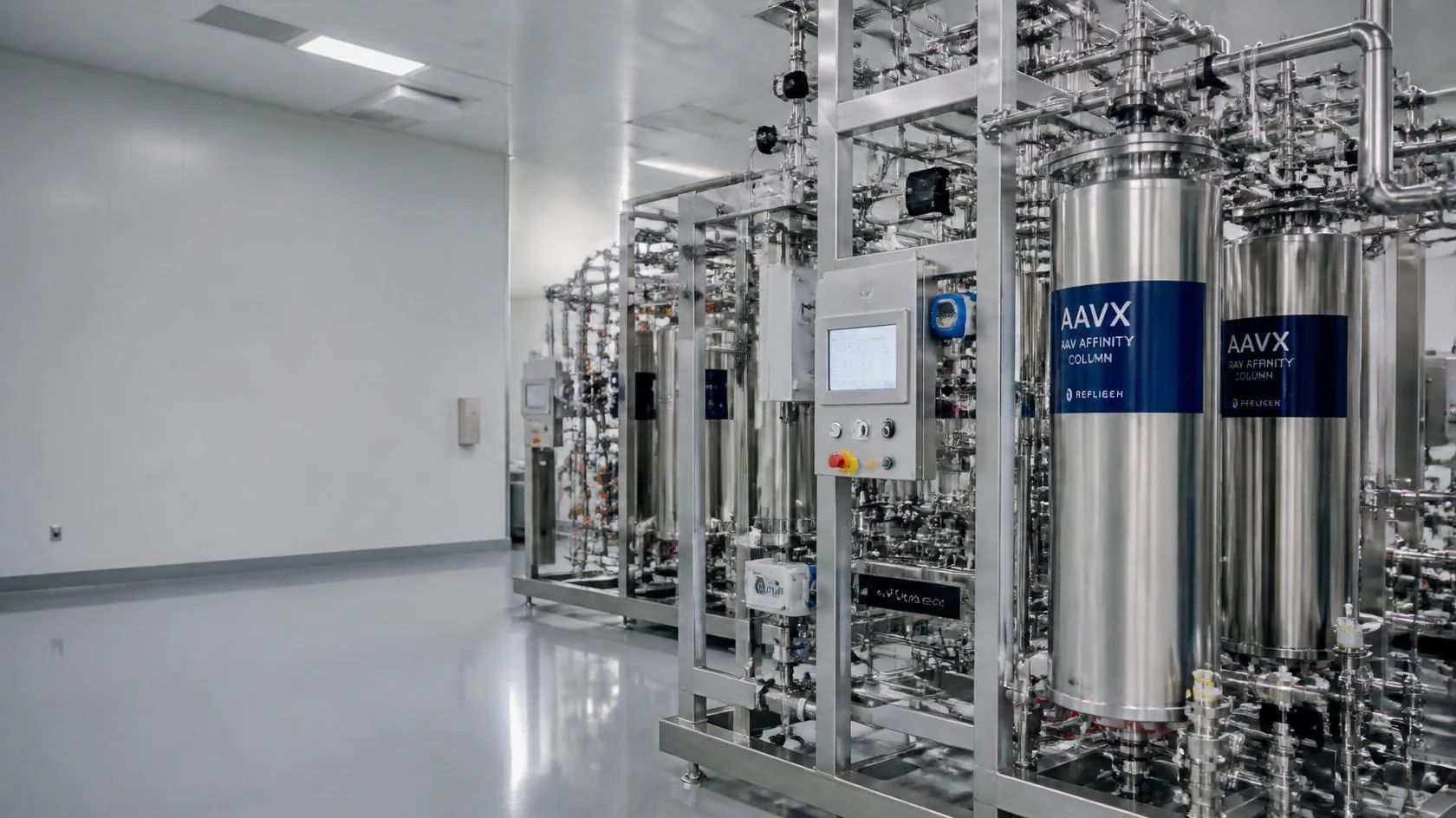
AAV affinity chromatography purification step in a gene therapy process development lab
Downstream

AAV Affinity Purification Optimization

Learn from each AAV affinity chromatography run, predict recovery and purity for candidate conditions and propose which experiment to run next. Advisory only.

See the full use case
Contamination control strategy evidence assembled from monitoring and qualification records
Quality

Annex 1 Contamination Control Strategy

Keep EU GMP Annex 1 contamination control evidence current: environmental monitoring trends, requalification dates and batch record gaps checked against named requirements for quality-team review.

See the full use case

FAQ

Questions that come up in every first call

A practical look at what INSUS needs, where it fits and what your team can expect.

The work that fits is the data a biologics suite already produces: bioreactor and utility tags, cultivation and purification parameters with their matching titer, recovery and QC results, environmental monitoring and qualification records, batch tickets and equipment condition signals. Predictive Maintenance can start from signals you already log. Closed-loop bioreactor or chromatography control, automatic batch disposition and any self-certification of compliance are not things we will offer.

Pharma on this site covers pharmaceutical manufacturing more broadly, including solid oral and other dosage forms. Biotech focuses on biologics manufacturing — cell culture, bioreactors, purification, contamination control and CQA release — where culture time and aseptic state of control dominate the cost of a miss. Specialty Chemicals covers multi-product industrial batch and formulated grades outside regulated drug manufacturing.

Usually not for historians, EM programs, LIMS and maintenance. Most suites already have DCS tags, batch records and some utility metering. If a critical probe has been drifting or an EM excursion code is unused, that comes before any model.

No. The person who knows this process, this organism and this suite stays responsible. The aim is to stop the next campaign repeating the same drift or entry point, and to flag a developing equipment issue before it stops the run.

No. It advises the process engineer or the quality team. Existing DCS, recipe systems and quality interlocks stay in charge of the loop. Safety and GMP controls are not touched.

No. Yield and contamination risk depend on organism, media, facility design, operating practice and equipment condition. We will not invent a success-rate or titer target for your suite.

It is what FDA documented for one inspected biologics facility over a defined period — not an industry average or a measurement of your suite. Your batch and EM records are the numbers that matter.

Yes. One cell line's process and titer history, one AAV product or serotype's purification history, or one sterile suite's monitoring and qualification records is usually the practical start. Measure that, then decide whether to widen.

Contact

Talk to a biotech expert

  • 30 minA focused conversation about the biotech manufacturing problem you are trying to solve. No sales deck.
  • OutcomeA practical view of whether INSUS can help, what data would be needed and where it makes sense to start.
  • We will first understand your current process, what information you have and where the biggest gap is.
  • If the right answer is a probe check, a procedure update, a maintenance action or an existing MES report, that is what we will tell you.

Request a call

We reply within one working day, from a person, with a proposed time.