
Chemicals industry

Where the plantprotects itself first

The reactor is already inside a narrow band. The column is already using extra steam. The next changeover will be rebuilt from the last good run. The tonnes still have to ship.

  • 01

    Energy spent on this campaign, not the last one

    Read reactor, column and utility tags the plant already logs, so extra steam or cooling is not the only answer when feeds change.

  • 02

    Changeovers that stay on procedure

    Keep approved startup and product-switch steps in one place the next shift can use — not in the head of whoever ran the last campaign.

  • 03

    The stop while maintenance can still be planned

    Read pumps, compressors and fans already in the historian, so wear is flagged while the intervention can still be scheduled.

On the reactor and the column

Quality is decided inside approved limits

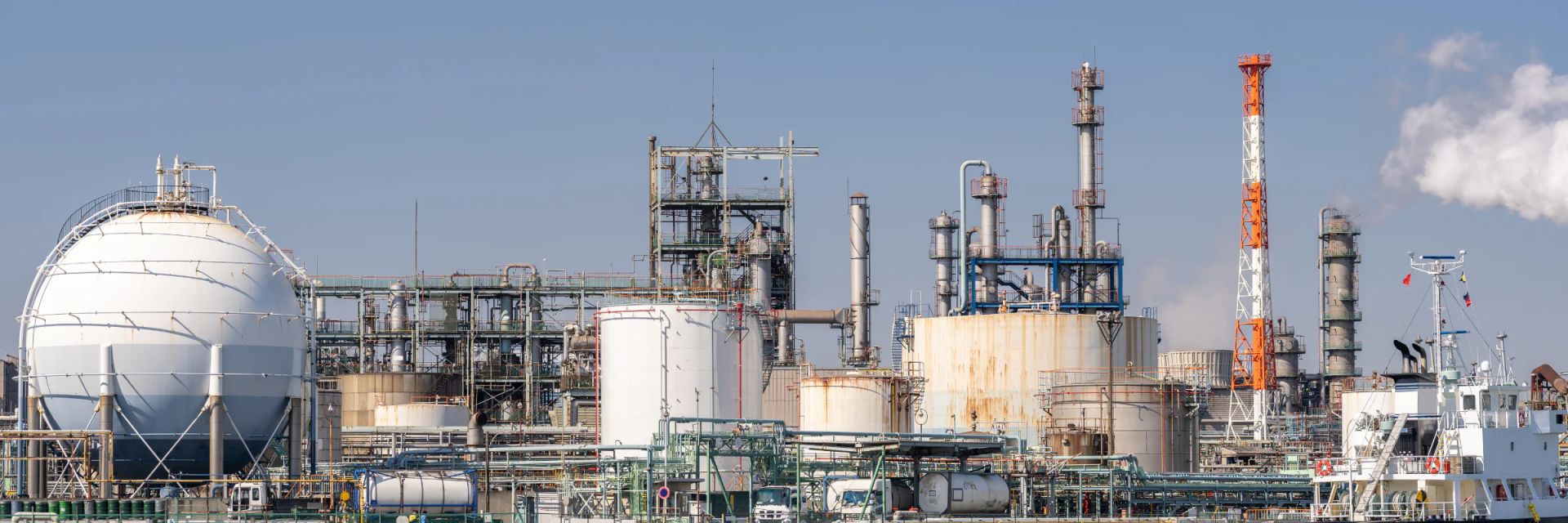
Chemical plants lose money in places that rarely share one screen: a reactor run conservatively because the better point is not visible, a column burning steam to protect purity, and a procedure found after the upset has already started. Most of that is already in DCS tags, lab tickets and SOPs — after the fact.

Industrial energy and process systems under continuous loadThe reactor

The safe band is not always the efficient band

Reactors must stay inside approved temperature, pressure and quality limits. When feedback is delayed, teams protect the unit with conservative setpoints — and leave throughput and energy performance on the table.


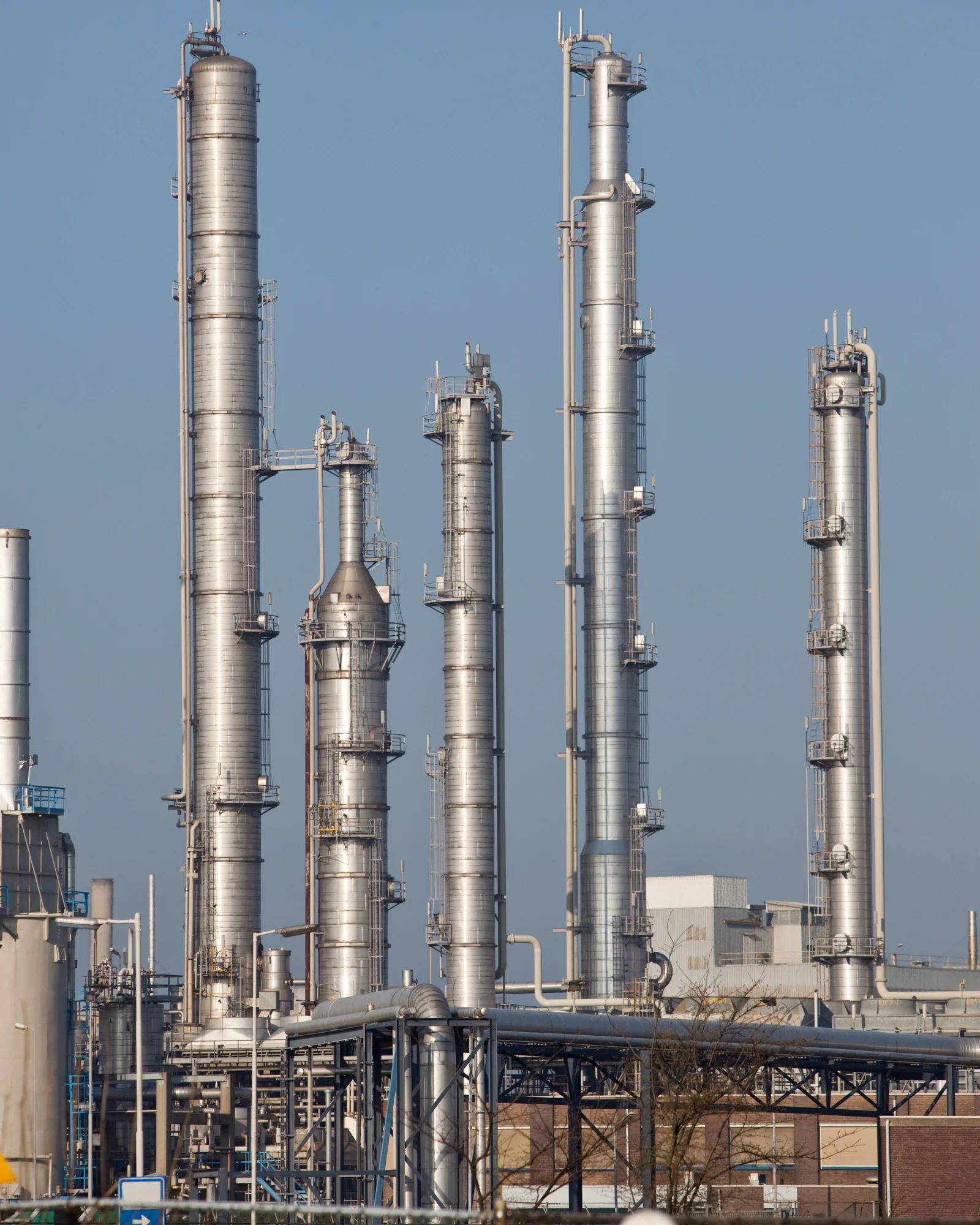
Chemical plant distillation and utility operationsThe column

Extra steam covers uncertainty

Distillation and utility systems absorb feed changes and purity targets by using more steam or cooling than the separation needs. The cost shows up in the utility bill long before it shows up as a process insight.

Engineers reviewing chemical plant operating proceduresThe procedure

The next shift rebuilds the changeover

Product switches, startups and safety checks still often live with experienced crews. When those steps are hard to find, results vary across shifts and the plant pays in scrap, delay or a near miss.

Turning the steam up is the easy correction. It is also how the campaign is spent.

INSUS works from the historian tags, lab tickets and approved procedures a plant already keeps. If the gap is a drifting sensor, a missing changeover step or a pump already in the historian, that is what we will say.

Explore the possibilities

Industry figures

The scale of what is being decided

Four external figures, each with its source. Nothing on this page is an estimate we made up. Where we cannot cite a number, we describe the situation in words instead.

Energy

~10%

of global final energy demand is used by the chemicals and petrochemicals sector, making process and utility efficiency a core operating constraint.

Source: IEA, Chemicals

CO₂

~5%

of global CO₂ emissions are associated with the chemical industry in IEA sector analysis — process heat and feedstock choices sit at the centre of that footprint.

Source: IEA, Chemicals

Feedstock

~50%

of chemical-sector energy use can be tied to feedstock rather than fuel in major producing regions, so process decisions and material choices both shape cost and emissions.

Source: IEA, The Future of Petrochemicals

Reliability

Critical path

Pumps, compressors and utility systems sit on the production path. Condition signals are often already logged — the gap is acting before the unplanned stop.

Source: INSUS Predictive Maintenance

Chemical plant reactors, columns and utility systems under continuous production

Common problems

Problems that cost you before you notice

None of these show up as a single alarm. They show up in the energy bill after the batch, the catalyst run held back, and the water loop that was never joined up.

  1. Energy plans lag the next batch

    Utility and process teams often learn the true energy cost of a campaign after the batch has already run. Planning absorbs the gap with contingency instead of a forecast.

    See: Batch Energy Consumption Forecasting
  2. Reactor setpoints protect the unit, not the campaign

    Operators stay inside the safe band when feed or catalyst behaviour is hard to read together. Conservative operation covers uncertainty — and becomes the habit.

    See: Catalyst Optimization
  3. Water use is measured, not optimized

    Cooling, treatment, dosing, and reuse decisions sit across separate systems. Leaks and over-treatment can persist until the utility bill or a quality check makes them visible.

    See: Water Optimization

Use cases

Places worth a closer look

Each is a specific starting point — this batch, this catalyst, this water loop — and a next conversation if it is worth your time.

Chemical manufacturing batch process with energy-intensive production equipment
Energy

Batch Energy Consumption Forecasting

Forecast energy consumption for chemical manufacturing batches from recipe, process, production and energy data to support planning and early detection of abnormal use. Advisory only.

See the full use case
Chemical manufacturing reactor and catalyst-based production process
Process

Catalyst Optimization

Predict catalyst deactivation and recommend reaction conditions that protect yield, selectivity and catalyst life using existing process and laboratory data. Advisory only.

See the full use case
Chemical manufacturing plant with industrial water and cooling systems
Energy

Water Optimization

Forecast water demand, detect abnormal usage and recommend cooling, treatment, dosing and reuse improvements from existing plant water and process data. Advisory only.

See the full use case

FAQ

Questions that come up in every first call

A practical look at what INSUS needs, where it fits and what your team can expect.

The work that fits is the data a chemical plant already produces: process and utility tags, lab tickets, energy and water records, and equipment logs. Starting points include batch energy forecasting, catalyst optimization, and water optimization. Closed-loop reactor control is not a promise we will make on day one.

Chemicals on this site focuses on process plants more broadly — energy, catalyst and water across continuous and campaign units. Specialty Chemicals focuses on multi-product batch and formulated grades — recipe consistency, changeovers and customer performance specs. Pharma and Biotech cover regulated pharmaceutical and biologics manufacturing.

Usually not for process records, lab tickets and maintenance. Most plants already have DCS, historians, laboratory systems and rotating-equipment instrumentation. If a sensor has been drifting or a drive signal is unread, that comes before any model.

No. The person who knows this reactor, this column and this procedure stays responsible. The aim is to stop the next shift running extra steam from habit, and to flag a developing equipment issue before it stops the campaign.

No. It advises the operator or the process engineer. Existing DCS and any APC stay in charge of the loop. Safety interlocks are not touched.

No. Energy and quality depend on feed, equipment condition and operating practice. We will not invent a savings percentage or a reject-rate target for your plant.

Yes. The approach is built around the systems you already run. Integration is defined during the assessment. Statutory recipes, tickets and safety reporting remain yours.

Yes. One reactor train or one utility loop is usually the practical start. Measure that, then decide whether to widen.

Contact

Talk to a chemicals expert

  • 30 minA focused conversation about the chemicals problem you are trying to solve. No sales deck.
  • OutcomeA practical view of whether INSUS can help, what data would be needed and where it makes sense to start.
  • We will first understand your current process, what information you have and where the biggest gap is.
  • If the right answer is a sensor check, a procedure update, a maintenance action or an existing system, that is what we will tell you.

Request a call

We reply within one working day, from a person, with a proposed time.