Get more fromevery catalyst cycle.

INSUS predicts catalyst deactivation, connects performance drift to changing process conditions and recommends operating adjustments that help protect yield, control energy use and extend catalyst life. Process teams keep the decision.

  • 01

    Catalyst performance changes over time.

  • 02

    Deactivation can reduce yield before the lab confirms it.

  • 03

    Predict the drift and act before performance is lost.

The problem

Catalysts lose performancebefore the process shows it clearly.

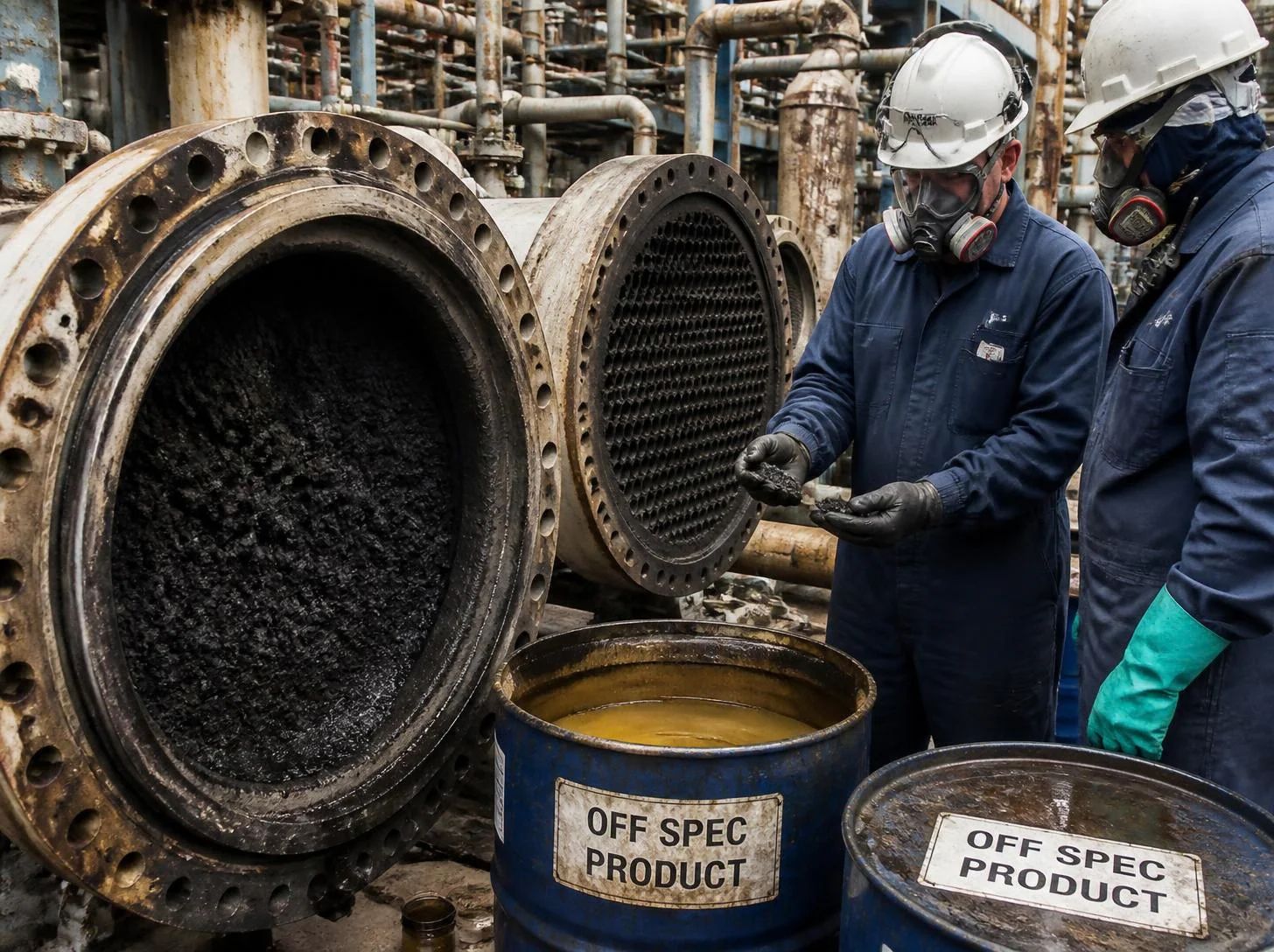
Catalyst performance affects conversion, selectivity, yield, energy use and operating cost. As catalysts age, feedstock quality changes, equipment fouls or setpoints drift, the operating window can move away from its best range. Fixed replacement schedules and reactive adjustments often mean yield, by-products or energy penalties appear before the team has a clear early signal.

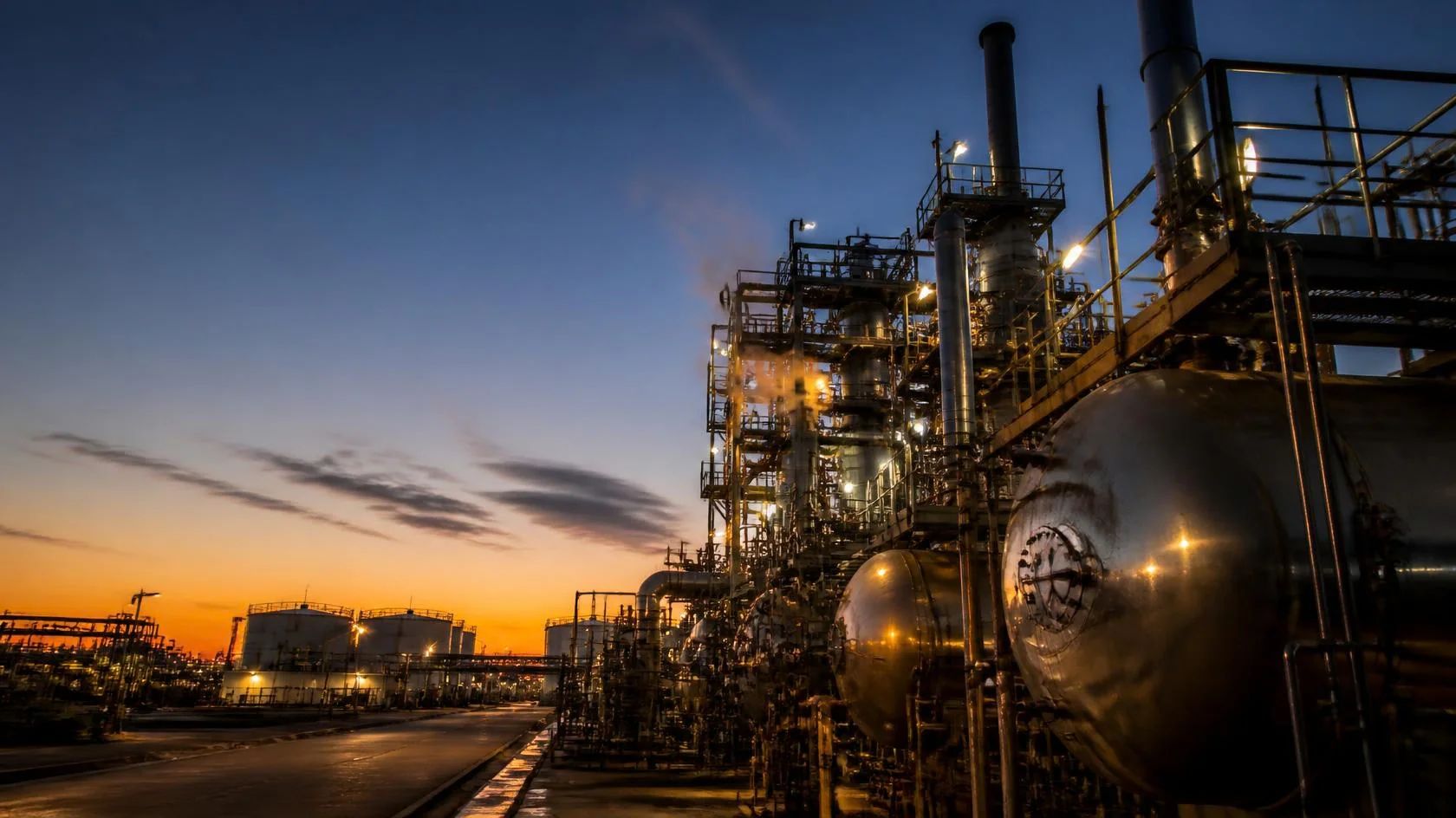
Chemical reactor and catalyst-based production process
01
02
03
  • 01Catalyst deactivation
  • 02Process drift
  • 03Yield and energy loss

The shift

From fixed catalyst schedulesto predictive catalyst management.

Process and production teams stay responsible for every setpoint and regeneration decision. What changes is whether catalyst deactivation risk and remaining useful life are visible before yield or quality is materially affected.

Today

Replace or react after performance falls

  • Replacement or regeneration is often planned from fixed schedules or periodic testing.
  • Teams react after yield or quality changes become measurable.
  • Catalyst aging, feedstock variability and equipment conditions can create avoidable losses.
With INSUS

Predict performance before it declines

  • Process, catalyst, feedstock and laboratory history are used to identify changing catalyst behavior.
  • Deactivation and remaining useful life can be estimated for review.
  • Operating recommendations help protect conversion and selectivity within defined constraints.

How it works

From process and catalyst datato better reaction decisions.

This fits OptiStudio as process and quality decision support beside existing reactor controls. Access is read-only. It does not automatically change setpoints or replace APC.

  1. Connect

    Bring catalyst and process data together

    Connect read-only to DCS/SCADA and historian data, process parameters, laboratory results, catalyst information, production records, feedstock data and available maintenance or regeneration history.

  2. Understand

    Identify what drives catalyst performance

    Analyze relationships between catalyst behavior and temperature, pressure, flow, feedstock characteristics, process conditions, equipment state and product-quality results.

  3. Predict

    Predict catalyst deactivation

    Estimate catalyst degradation, remaining useful life and emerging performance drift so engineers can investigate before yield or product quality is materially affected.

  4. Advise

    Recommend better reaction conditions

    Recommend operating adjustments expected to maintain conversion and selectivity, reduce unnecessary energy use and protect productive catalyst life within defined process and safety constraints.

  5. Verify

    Compare predictions with actual outcomes

    Compare predicted catalyst and process outcomes with laboratory and production results so the model can be validated and refined for the specific reactor and catalyst system.

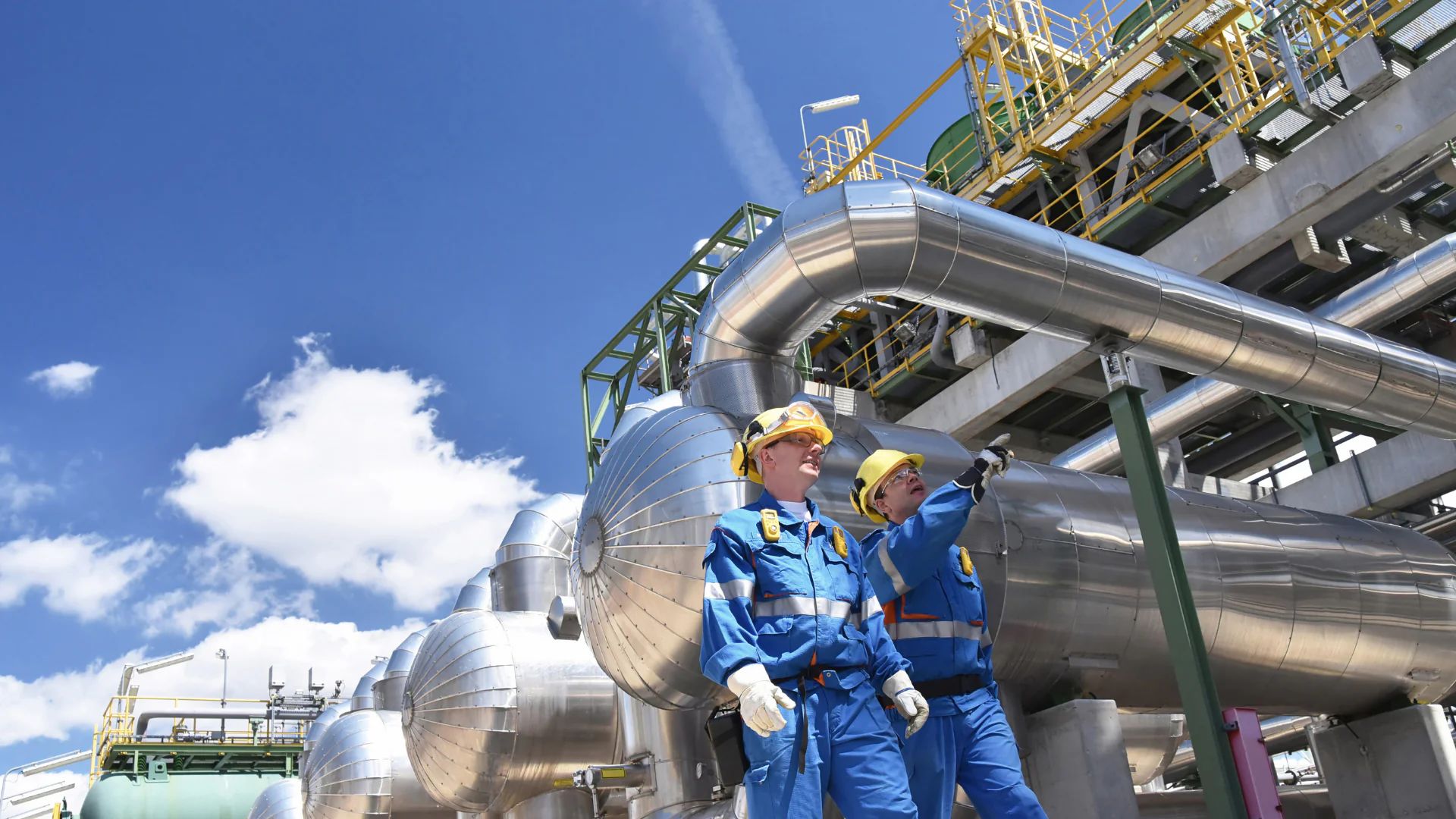
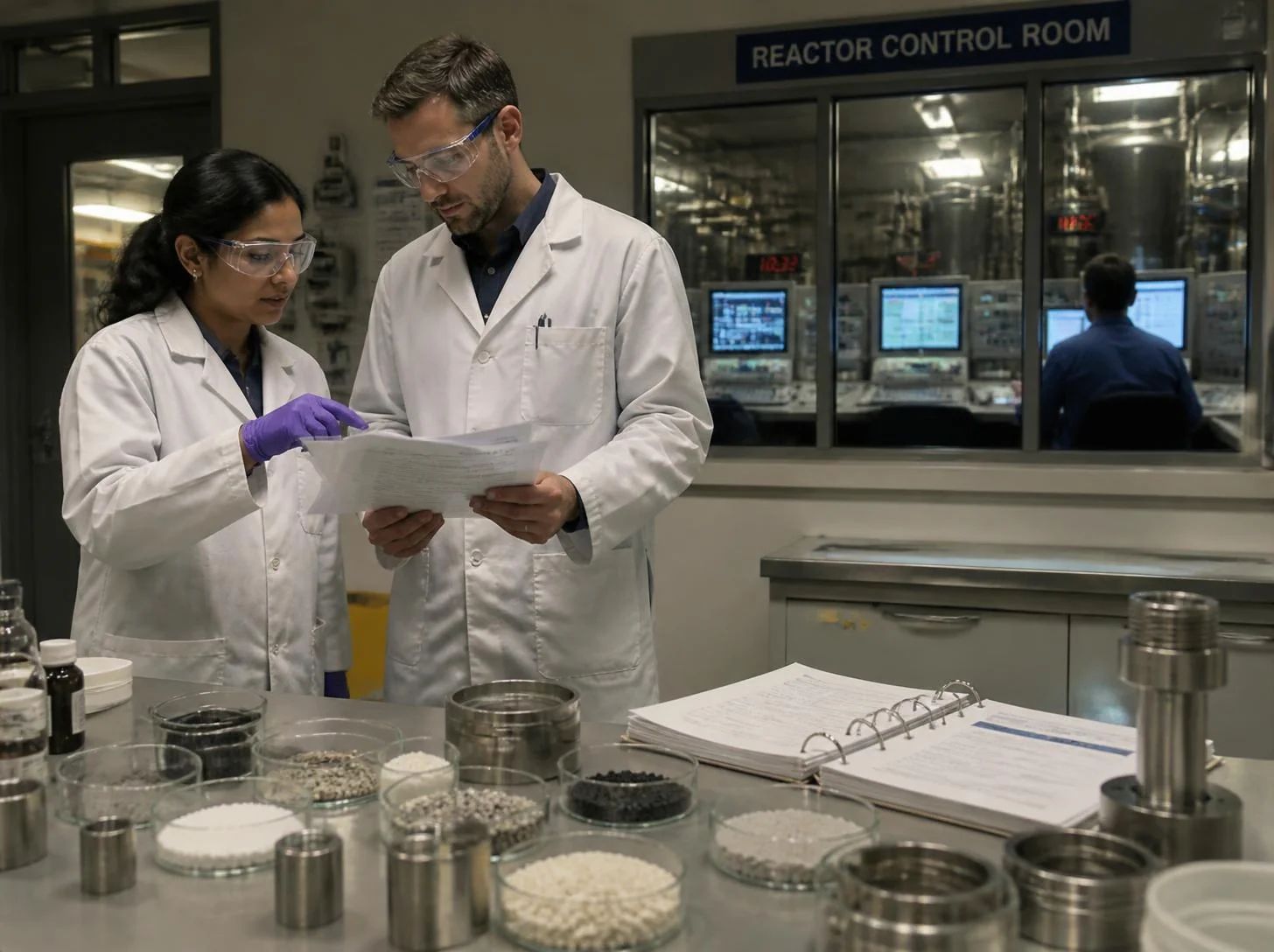
Chemical manufacturing team reviewing catalyst performance and recommendations

Getting started

Start with one reactorand the data you already keep.

For chemical manufacturers that already collect process, catalyst, laboratory and production data. Delivered through OptiStudio as catalytic-process decision support. Expert Services can help with data assessment and validation. Advisory and read-only. No new hardware where those records already exist.

  • What we need. Relevant DCS/SCADA and historian data, process temperatures, pressures and flows, catalyst information, laboratory and product-quality results, feedstock characteristics, production records and available regeneration or replacement history.
  • What you see first. One reactor or catalytic process: a back-test of predicted deactivation and performance against historical runs before any live recommendation enters the operating workflow.
  • Where the limits are. Does not automatically change reactor setpoints or replace existing APC. Process engineers review every recommendation. Model performance is specific to the catalyst, feedstock and equipment in the available data.
Explore OptiStudio

Questions chemical manufacturers ask us

Catalyst activity declines over time and can reduce yield before the lab confirms it. This use case predicts deactivation and recommends operating adjustments for process-team review.

DCS/SCADA and historian signals, process temperatures, pressures and flows, laboratory results, catalyst information, feedstock characteristics and regeneration or replacement history. No new sensors when those records already exist.

No. It is decision support. Process engineers review every recommendation. Existing control systems and APC remain in charge.

Yes. Estimating deactivation and remaining useful life can support more informed regeneration and replacement planning than fixed schedules alone.

Yes. Where feedstock or raw-material data is available, it can be included so models reflect how feed variability affects catalyst and process performance.

Through OptiStudio as process and quality decision support. Expert Services can support data assessment, integration and validation with your process team.

Performance depends on reliable process, laboratory and catalyst history. Recommendations are reactor- and catalyst-specific. The system does not guarantee yield or energy improvements.

Chemicals · Catalyst optimization

Don't wait for catalyst performance to fall.

Use your own process and laboratory history to predict catalyst deactivation, understand process drift and give engineers a data-driven basis for protecting yield and catalyst life.