Know the energyyour next batch will need.

INSUS forecasts energy consumption for each chemical production batch from process, recipe, raw-material, production and energy data, helping teams plan production, control costs and identify abnormal energy use earlier. Energy and process teams keep the decision.

  • 01

    Every batch can have a different energy profile.

  • 02

    Energy overruns are often visible only after production.

  • 03

    Forecast the next batch before it runs.

The problem

Chemical batches consume energydifferently from one run to the next.

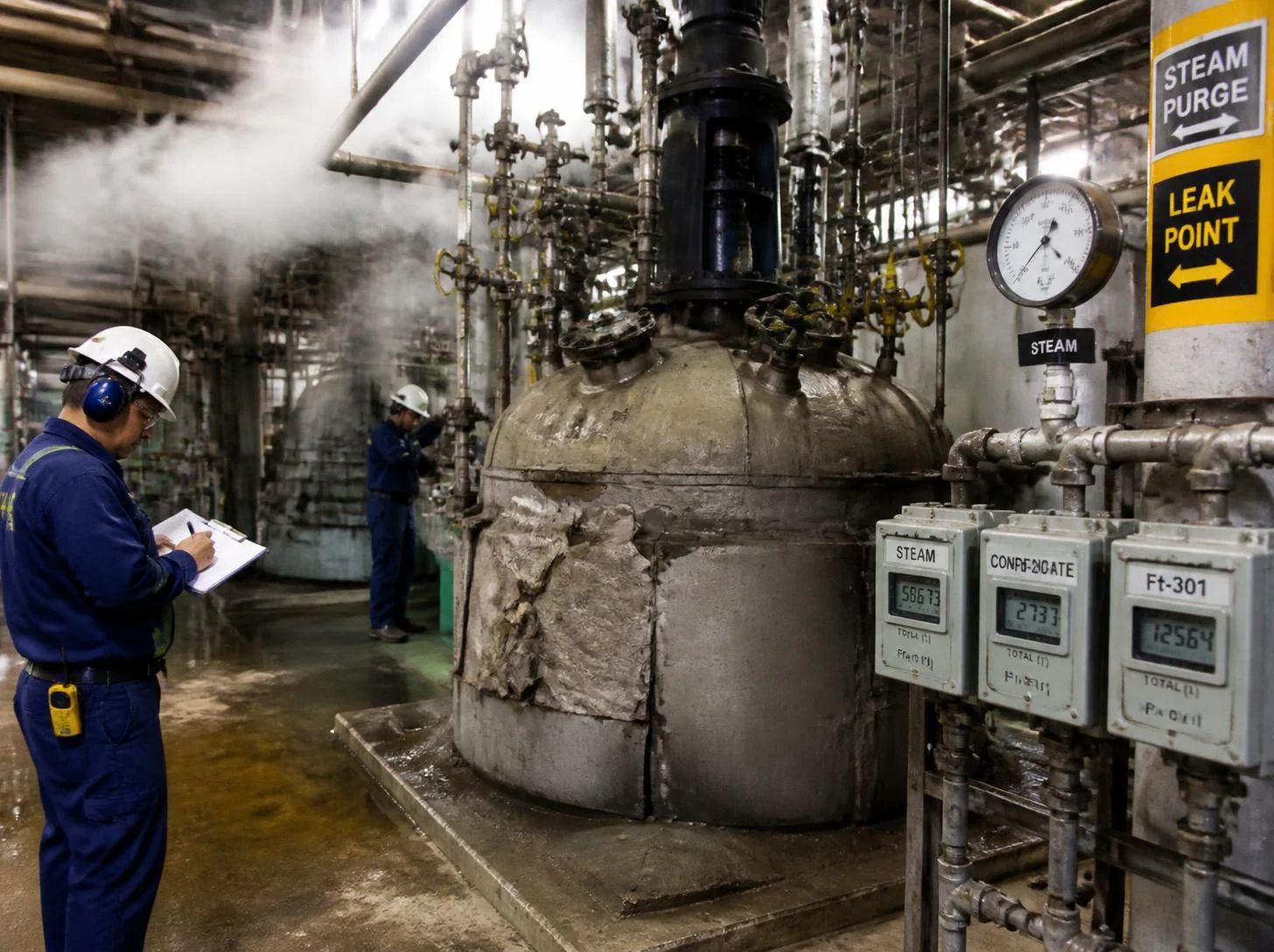
Heating, cooling, mixing, compression, distillation and drying make batch energy demand highly variable. Consumption changes with recipe, raw materials, equipment state, schedule and ambient conditions. When energy is reviewed only through historical averages and end-of-batch reports, teams struggle to know what the next batch will need or why a run used more than expected.

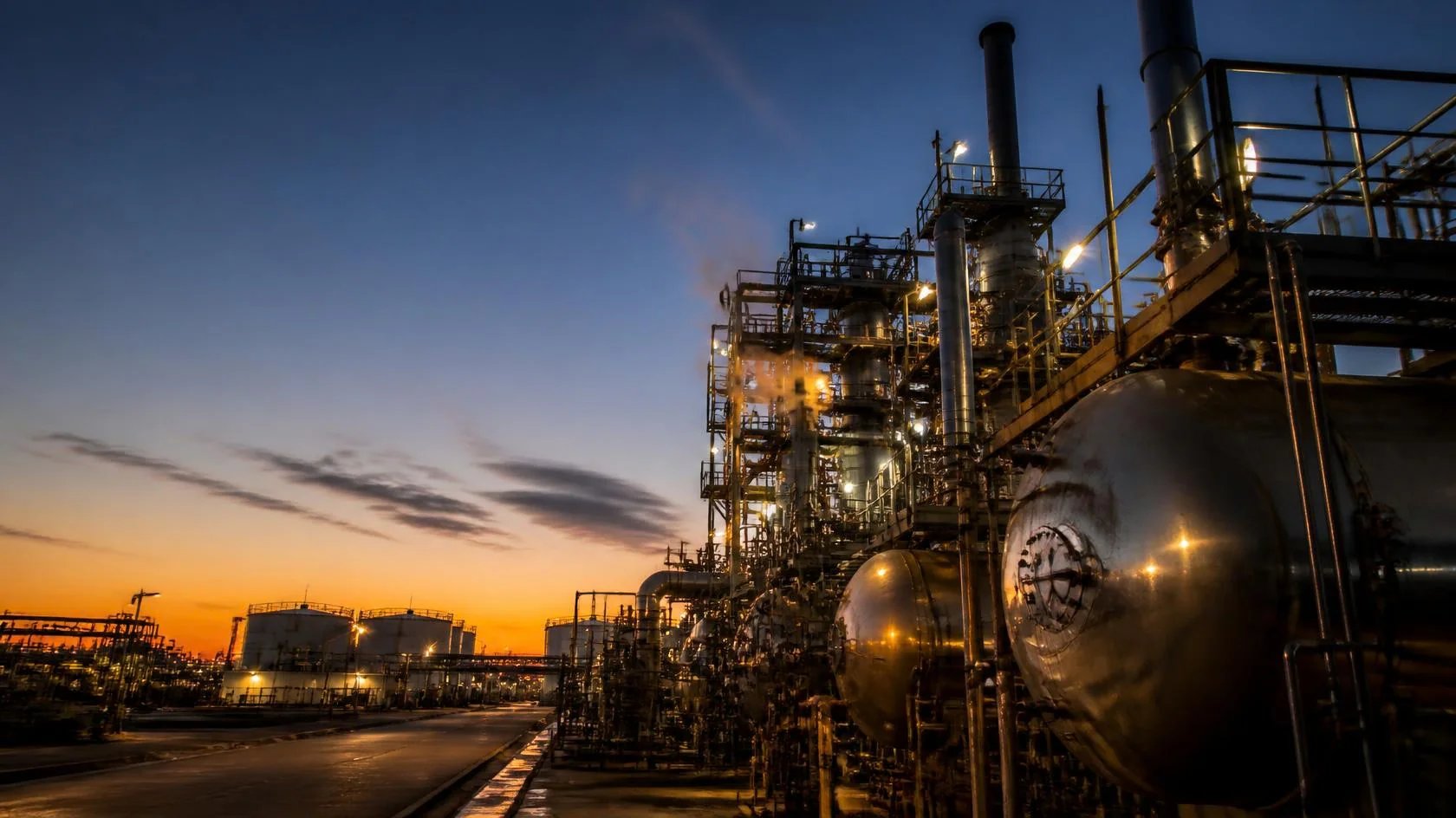
Chemical manufacturing plant with batch processing operations
01
02
03
  • 01Variable batch demand
  • 02Energy overruns
  • 03Limited foresight

The shift

From tracking batch energyto forecasting it before production.

Energy and process teams stay responsible for every schedule and setpoint decision. What changes is whether the expected energy profile of an upcoming batch is visible before it runs.

Today

Measure energy after the batch

  • Energy consumption is reviewed from historical averages and periodic reports.
  • Unusually high use is investigated after the batch has completed.
  • Production scheduling and energy planning are often handled separately.
With INSUS

Forecast energy before the batch runs

  • Expected energy consumption is forecast from recipe, process and energy history.
  • Abnormal-consumption risk can be flagged before or during the run for review.
  • Teams get a data-driven input for planning, purchasing and operating decisions.

How it works

From batch and process datato an energy forecast before production.

This fits OptiStudio as energy and process decision support beside existing batch and utility systems. Access is read-only. It does not automatically change setpoints or schedules.

  1. Connect

    Bring batch and energy data together

    Connect read-only to DCS/SCADA and historian data, energy meters, MES/ERP records, batch recipes, production schedules and raw-material information already available to the plant.

  2. Understand

    Identify what drives batch energy use

    Analyze relationships between energy consumption and recipe, production quantity, process parameters, raw materials, equipment conditions and production sequence.

  3. Predict

    Forecast energy for each batch

    Estimate the expected energy consumption of upcoming batches and identify deviations or over-consumption patterns against the plant's own baseline.

  4. Advise

    Recommend planning and operating options

    Provide advisory recommendations on batch sequencing, scheduling or controllable operating factors that may reduce unnecessary energy use while respecting quality and throughput constraints.

  5. Verify

    Compare forecast with actual batch energy

    Compare predicted and actual consumption so the model can be validated and refined against the plant's recipes, equipment and operating practices.

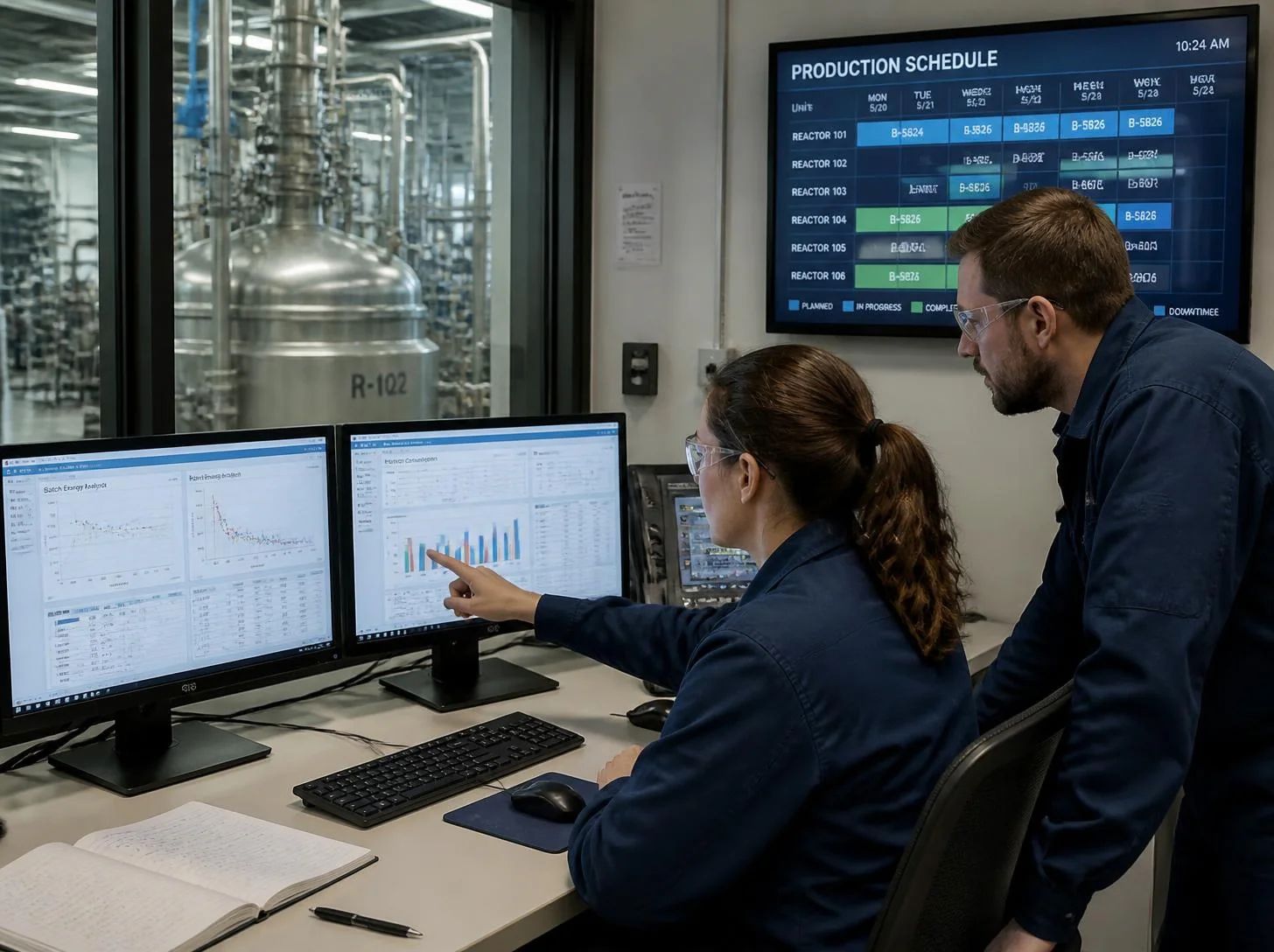
Chemical manufacturing team reviewing batch energy forecasts and production data

Getting started

Start with one batch processand the meters you already have.

For chemical manufacturers that already collect batch, process and energy data. Delivered through OptiStudio as batch-energy decision support. Expert Services can help with data assessment and validation. Advisory and read-only. No new hardware where metering already exists.

  • What we need. Relevant DCS/SCADA and historian data, energy-meter readings, batch recipes, production schedules, raw-material information and laboratory or quality results where they help explain energy drivers.
  • What you see first. One batch process: a back-test of predicted energy against historical batches, then forecasts and abnormal-energy flags for review before any recommendation enters planning workflows.
  • Where the limits are. Does not automatically change setpoints, schedules or utility purchasing. Energy and process teams review every recommendation. Forecast quality depends on reliable batch and metering history for the scoped process.
Explore OptiStudio

Questions chemical manufacturers ask us

Batch energy demand varies with recipe, materials and process conditions. This use case forecasts expected consumption and flags abnormal use for energy and process-team review before or during production.

DCS/SCADA and historian data, energy meters, batch recipes, production schedules and raw-material information. Laboratory or quality results help where they explain energy drivers. No new sensors when those records already exist.

No. It is decision support. Energy and process teams review forecasts and recommendations. Integration with plant systems is read-only.

Yes. Deviations from the expected batch energy profile can be flagged against the plant's own baseline for investigation.

Yes. Forecasts can help teams evaluate batch sequencing and when to run energy-intensive work, subject to quality, capacity and safety constraints.

Through OptiStudio as energy and process decision support. Expert Services can support data assessment, integration and validation with your plant team.

Forecast quality depends on reliable batch and metering history. Recommendations are process-specific. The system does not guarantee energy-cost reductions or replace utility-procurement decisions.

Chemicals · Batch energy forecasting

Know the energy before the batch starts.

Use the process, production, material and energy data you already have to forecast batch-level consumption, support planning and identify inefficient batches earlier.