Use less waterwithout compromising the process.

INSUS helps chemical plants see where water is consumed, detect abnormal usage and recommend improvements for cooling, treatment, dosing and reuse using operational data the plant already generates. Operations teams keep the decision.

  • 01

    Water demand changes with production and process conditions.

  • 02

    Leaks, over-treatment and inefficient cooling waste water and money.

  • 03

    Predict, detect and prioritize water-use improvements.

The problem

Chemical plants use wateracross more processes than the meter shows.

Water supports cooling, heating, steam, processing, washing, rinsing and wastewater treatment. Management is often fragmented across systems. Static controls and reactive checks can leave over-treatment, undetected leaks, inefficient cooling and avoidable freshwater intake invisible until costs or quality issues appear.

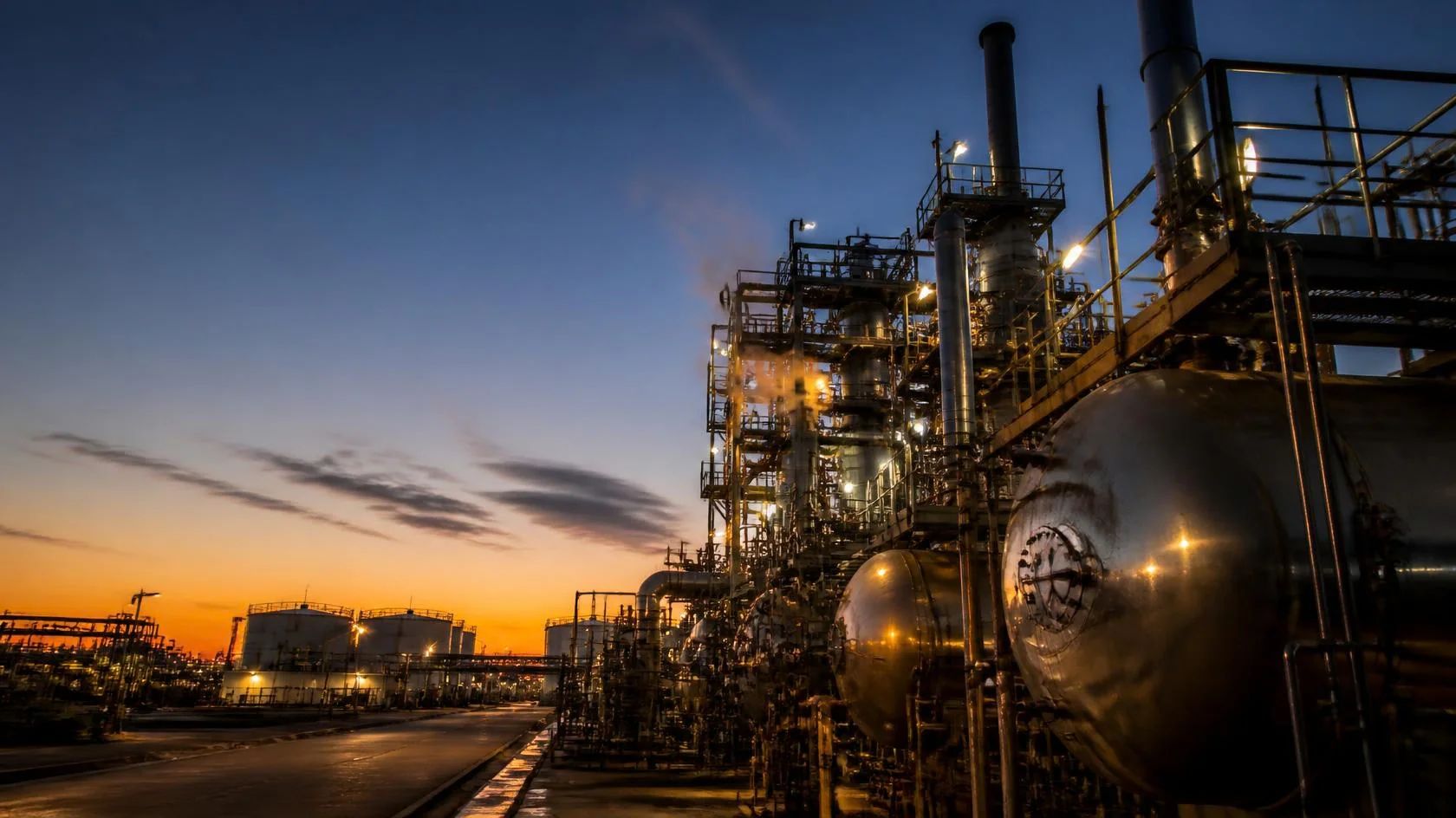
Industrial chemical plant with cooling, water treatment and process systems
01
02
03
  • 01High water demand
  • 02Hidden losses
  • 03Limited visibility

The shift

From monitoring water useto optimizing the water system.

Operations and utilities teams stay responsible for every dosing, blowdown and reuse decision. What changes is whether demand, abnormal use and the main drivers of water intensity are visible before losses persist.

Today

Measure and respond after the loss

  • Water use and quality are monitored through meters, periodic tests and separate system reports.
  • Leaks and abnormal consumption may only become visible after they have persisted.
  • Cooling, dosing, treatment and discharge decisions are often managed independently.

With INSUS

Predict demand and act on the drivers

  • Water, process, production and quality data are connected for a plant-specific view.
  • Demand can be forecast and unusual flow or quality patterns flagged for review.
  • Teams get advisory recommendations for cooling, treatment, dosing and reuse.

How it works

From water and process datato smarter water decisions.

This fits OptiStudio as utilities and process decision support beside existing water and cooling systems. Access is read-only. It does not automatically change dosing or control loops.

  1. Connect

    Bring water and process data together

    Connect available water-flow, consumption, quality, pressure and temperature data with DCS/SCADA, historians, MES, LIMS, utility records, production data and maintenance history.

  2. Understand

    Find what drives water consumption

    Analyze relationships between water use and production volume, process conditions, cooling demand, treatment requirements, water quality and equipment behavior.

  3. Predict

    Predict demand and detect abnormal use

    Forecast water demand and flag unusual patterns in flow, consumption or water quality that may indicate leaks, equipment problems or process inefficiencies.

  4. Advise

    Recommend cooling, treatment and reuse options

    Recommend operating options for cooling-tower operation, chemical dosing, treatment, blowdown and reuse while respecting defined water-quality and process requirements.

  5. Verify

    Validate against actual plant performance

    Compare forecasts and recommendations with actual metering, quality and production results so the model can be refined for the plant's water systems.

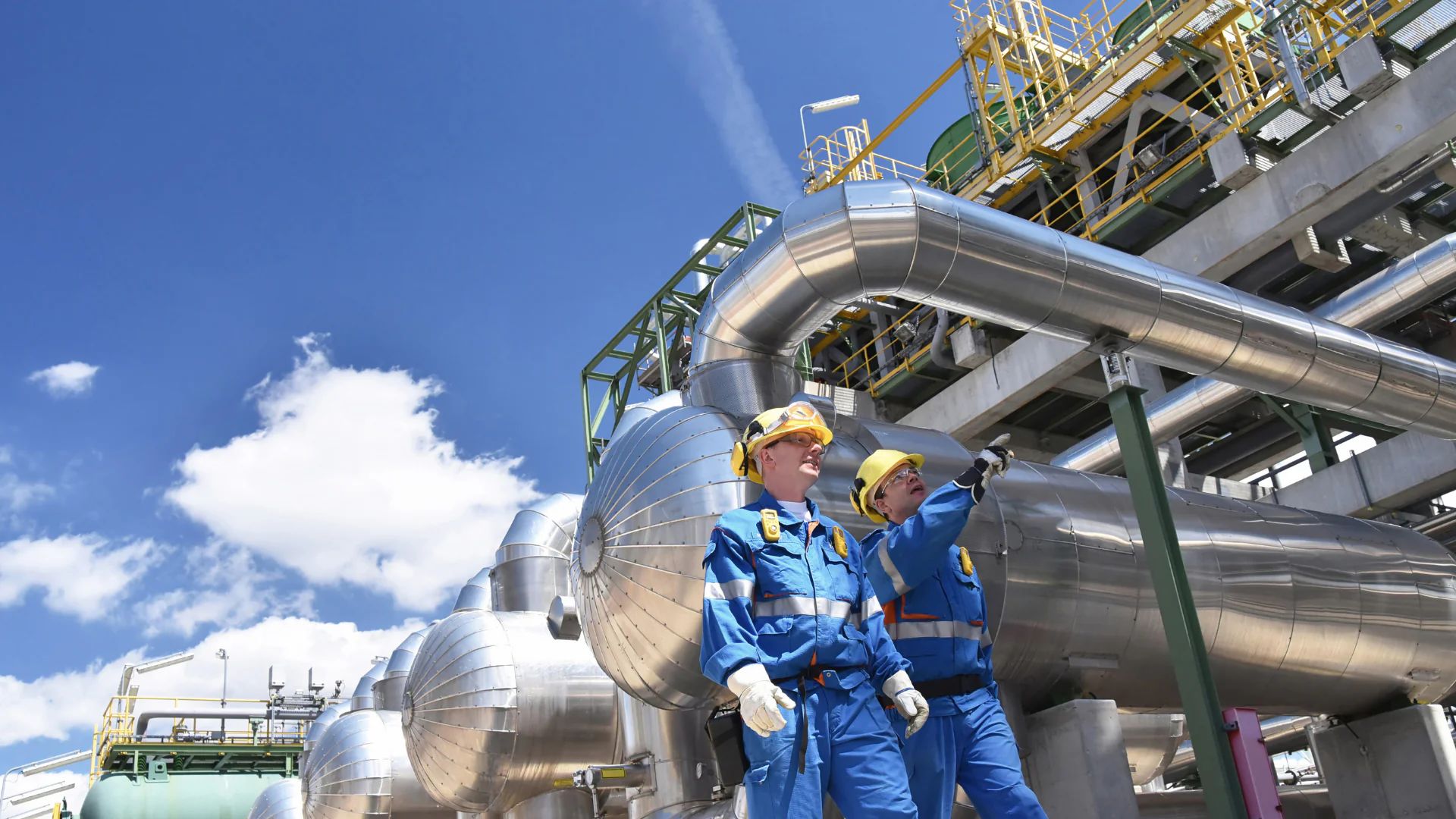
Chemical manufacturing team reviewing water consumption and optimization insights

Getting started

Start with one water-intensive loopand the meters you already have.

For chemical manufacturers that already collect water, process and production data. Delivered through OptiStudio as water-system decision support. Expert Services can help with data assessment and validation. Advisory and read-only. No new hardware where metering already exists.

  • What we need. Available water-flow and consumption data, water-quality measurements, DCS/SCADA or historian data, production information, cooling or treatment process data, chemical-dosing records and relevant maintenance history.
  • What you see first. One high-impact water loop such as cooling, treatment or leak detection: a baseline of water intensity, expected versus actual use, and abnormal patterns flagged for review before recommendations enter operations.
  • Where the limits are. Does not automatically change dosing, blowdown or control setpoints. Utilities and process teams review every recommendation. Plants without suitable metering need that data source first.
Explore OptiStudio

Questions chemical manufacturers ask us

Water use across cooling, treatment and process steps is often fragmented. This use case forecasts demand, flags abnormal usage and recommends operating options for utilities and process-team review.

Water-flow and consumption measurements, water-quality information, DCS/SCADA and historian data, production data and relevant dosing or maintenance records. No new sensors when that metering already exists.

No. It is decision support. Operators and engineers review every recommendation. Existing control systems remain in charge.

Yes. Cooling operation, dosing, treatment, blowdown and reuse can be included where data exists. Dedicated cooling-tower work can also start from the cooling-tower optimization use case.

Water Use Intensity measures water consumption relative to production output, such as cubic metres per tonne of product. It is a practical KPI for tracking water efficiency against the plant's own baseline.

Through OptiStudio as utilities and process decision support. Expert Services can support data assessment, integration and validation with your plant team.

Usefulness depends on accessible water and process metering. Recommendations are plant- and system-specific. The system does not guarantee water-cost or chemical-cost reductions.

Chemicals · Water optimization

Make every cubic metre work harder.

Use your existing water, process and production data to forecast demand, detect abnormal use and give teams a clearer basis for cooling, treatment, dosing and reuse decisions.