Specialty Chemicals industry

Where the next batchpays for the miss

Recipes already sit in the MES. Customer specs are already tight. The next changeover will be rebuilt from the last good run. The lot still has to ship.

  • 01

    The property target reached in fewer development batches

    Model how polymerization conditions have produced molecular weight and polydispersity in your own history, so a new specification starts from the target instead of the next variable to adjust.

  • 02

    Elevated runaway risk seen before the trend turns abnormal

    Compute the safety parameters your design calculations already use from live reactor data, so risk is classified while the operating point is still inside its normal band.

  • 03

    The asset stop while the campaign can still be protected

    Read pumps, agitators and utility signals already in the historian, so wear is flagged while a maintenance window can still be planned.

On the batch and the changeover

Quality is decided inside multi-product reality

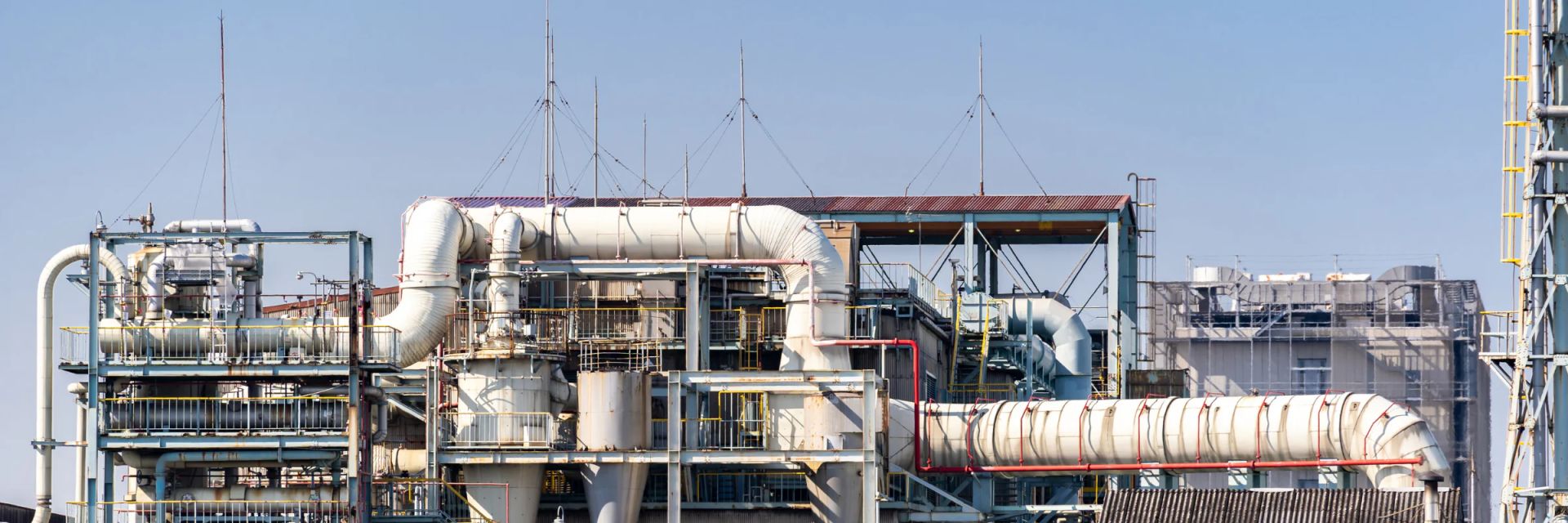
Specialty chemical plants lose money in three places that rarely share one screen: batches that drift before the certificate of analysis fails, changeovers that depend on who ran the last SKU, and raw-material lots that move performance before formulation catches up. Most of that is already in DCS tags, batch tickets, LIMS and SOPs — after the fact.

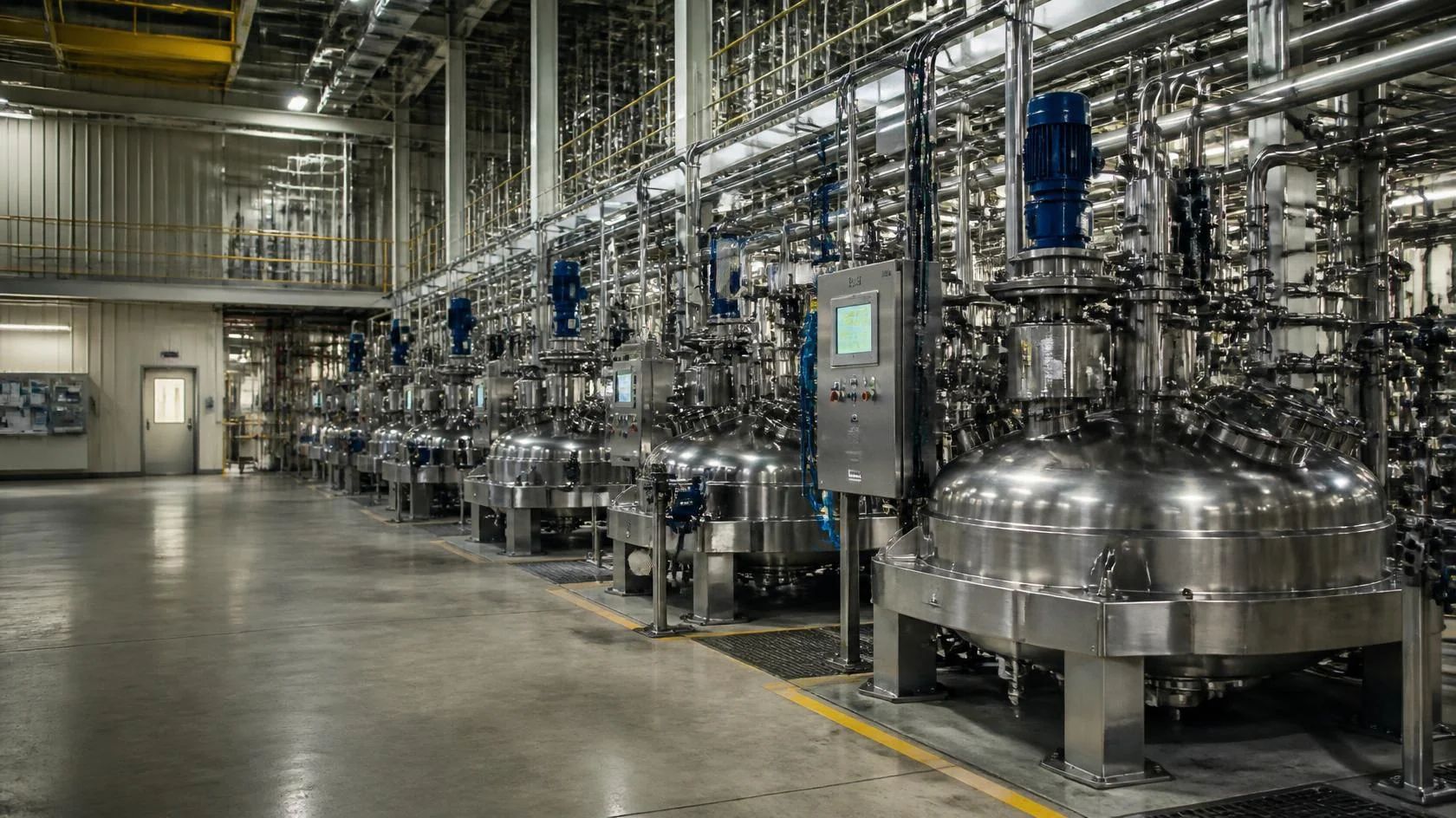
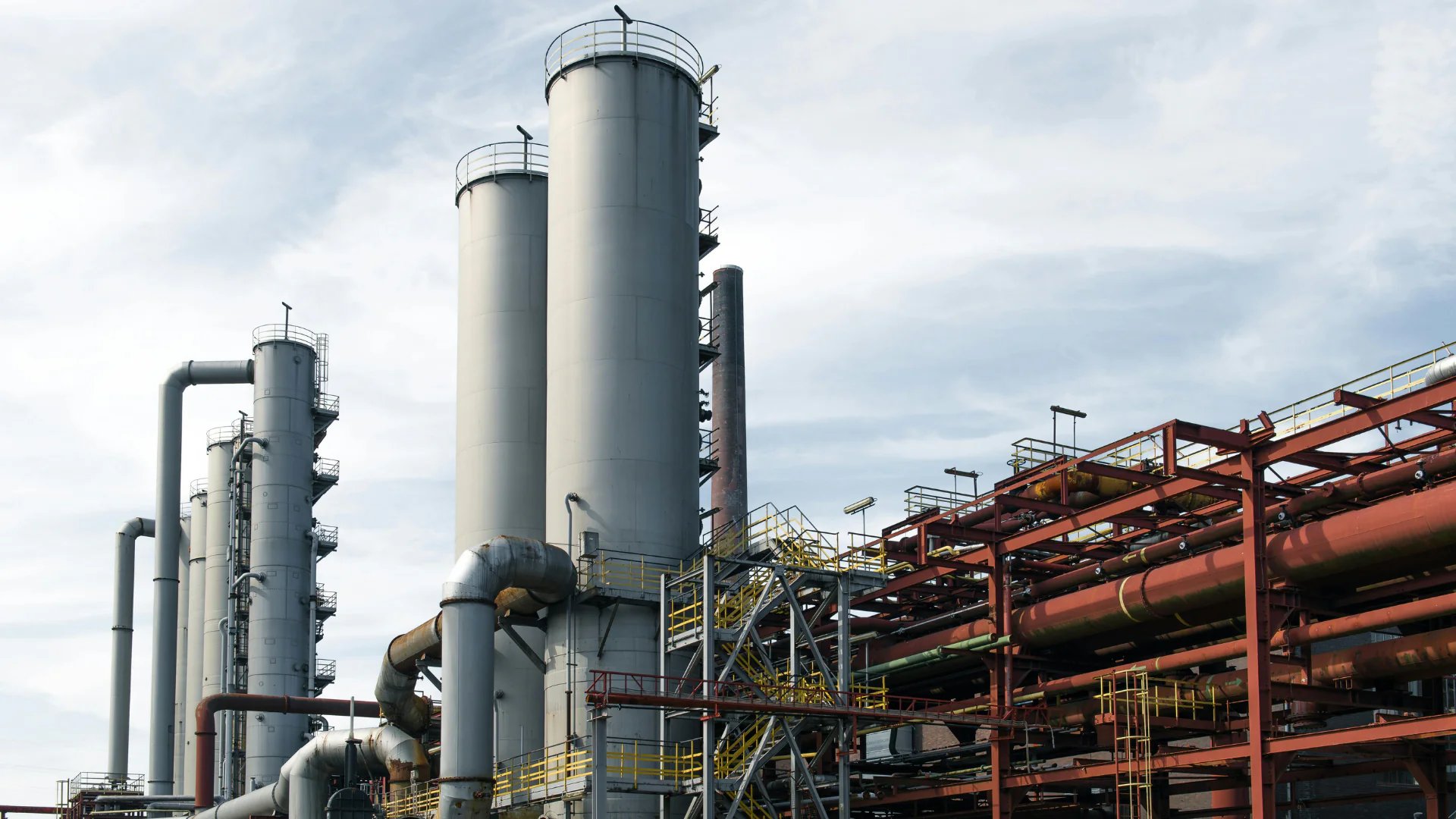
Specialty chemical batch reactor and process equipmentBatch quality

Performance specs leave less room than commodity purity alone

Coatings, additives, adhesives and other specialty grades are judged on function as much as composition. Small shifts in temperature, mix time or order of addition can produce rework, scrap or a held lot — before the next customer shipment leaves.
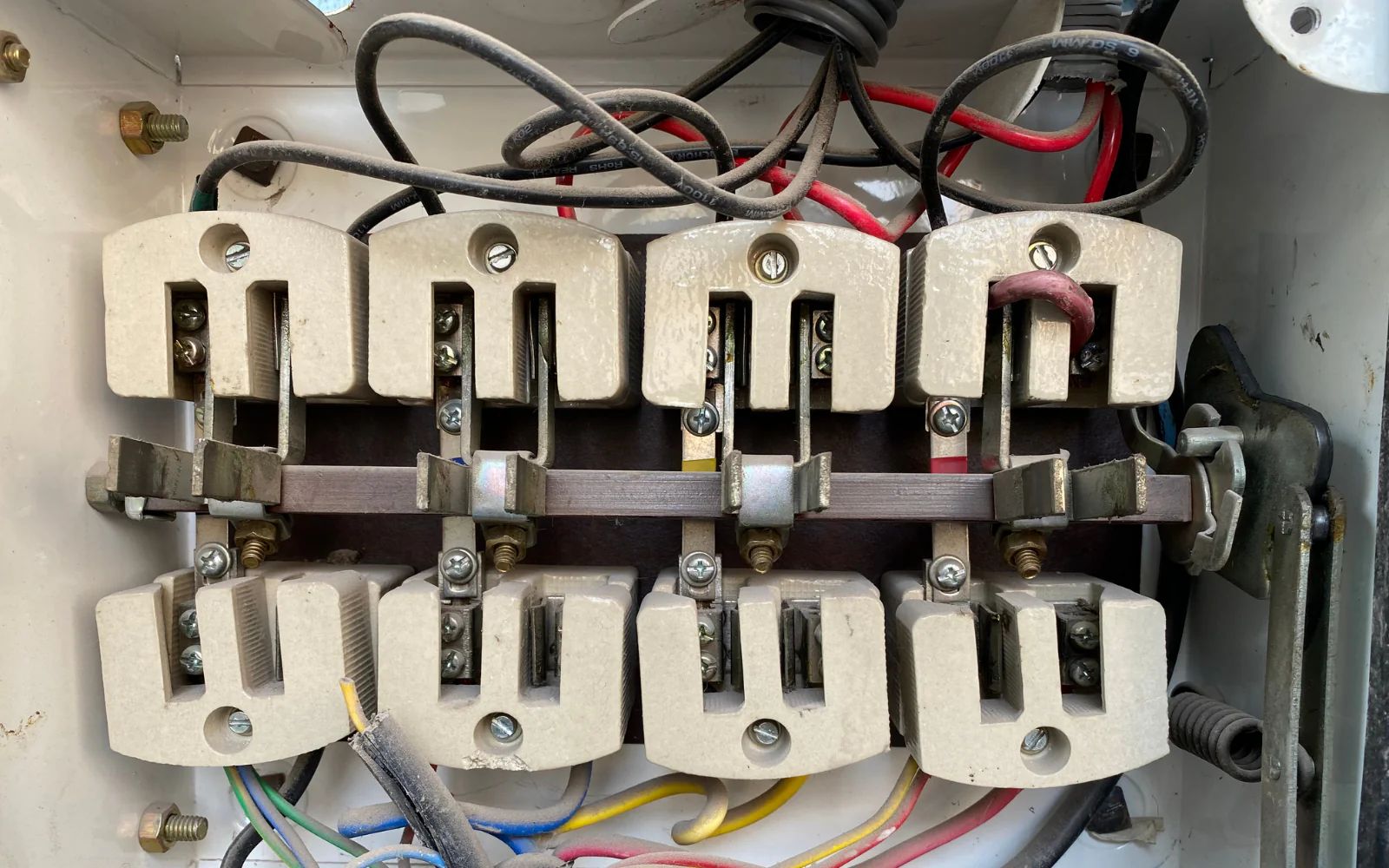

Recipe and changeover procedures for specialty chemical productionMulti-SKU ops

Changeovers still decide whether the week keeps its schedule

Specialty plants run many recipes on shared equipment. When cleaning, purge and restart steps live with experienced operators, the next SKU inherits delay, contamination risk and energy spent protecting margin.

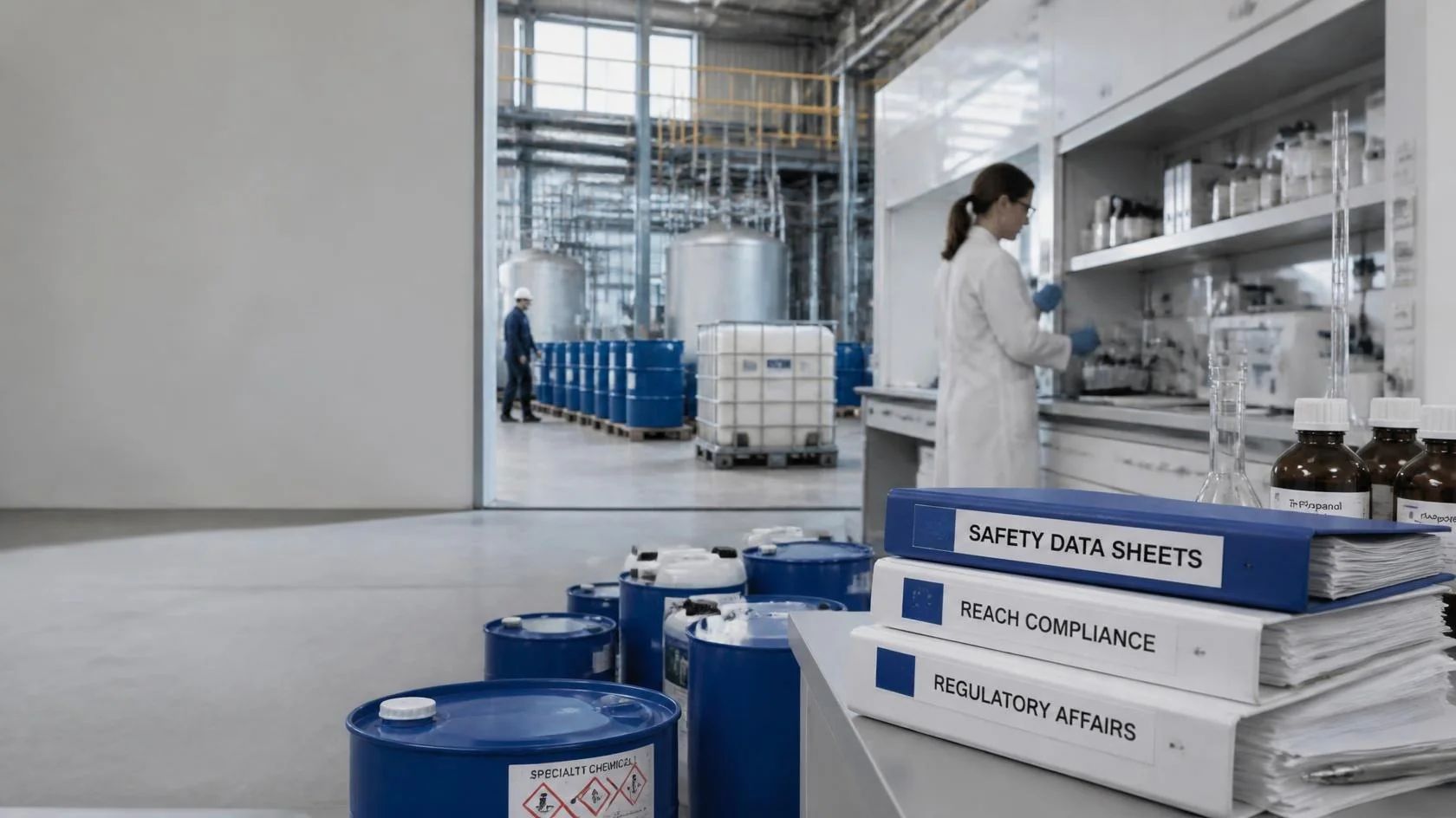
Formulation and quality records for specialty chemical batchesFormulation

Feedstock lots move the process before the lab closes the loop

Specialty recipes often depend on customized or hard-to-substitute inputs. When lot variability is reconciled late, the correction is often extra solvent, longer cycle time or a conservative setpoint that becomes the new habit.

Extending the cycle is the easy correction. It is also how the campaign is spent.

INSUS works from historian tags, batch tickets, lab results and approved procedures a plant already keeps. If the gap is an unread agitator signal, a missing changeover step or a lot that never joined the batch file, that is what we will say. Recommendations stay advisory. Existing DCS, MES and quality systems stay in charge.

Explore the possibilities

Industry figures

The scale of what is being decided

Four external figures, each with its source. Nothing on this page is an estimate we made up. Where we cannot cite a number, we describe the situation in words instead.

EU sales mix

>½

of EU27 chemical sales are accounted for by specialty chemicals and petrochemicals together in Cefic Facts & Figures analysis — showing how specialty grades sit at the centre of Europe’s chemical value mix.

Source: Cefic, Facts & Figures — Profile

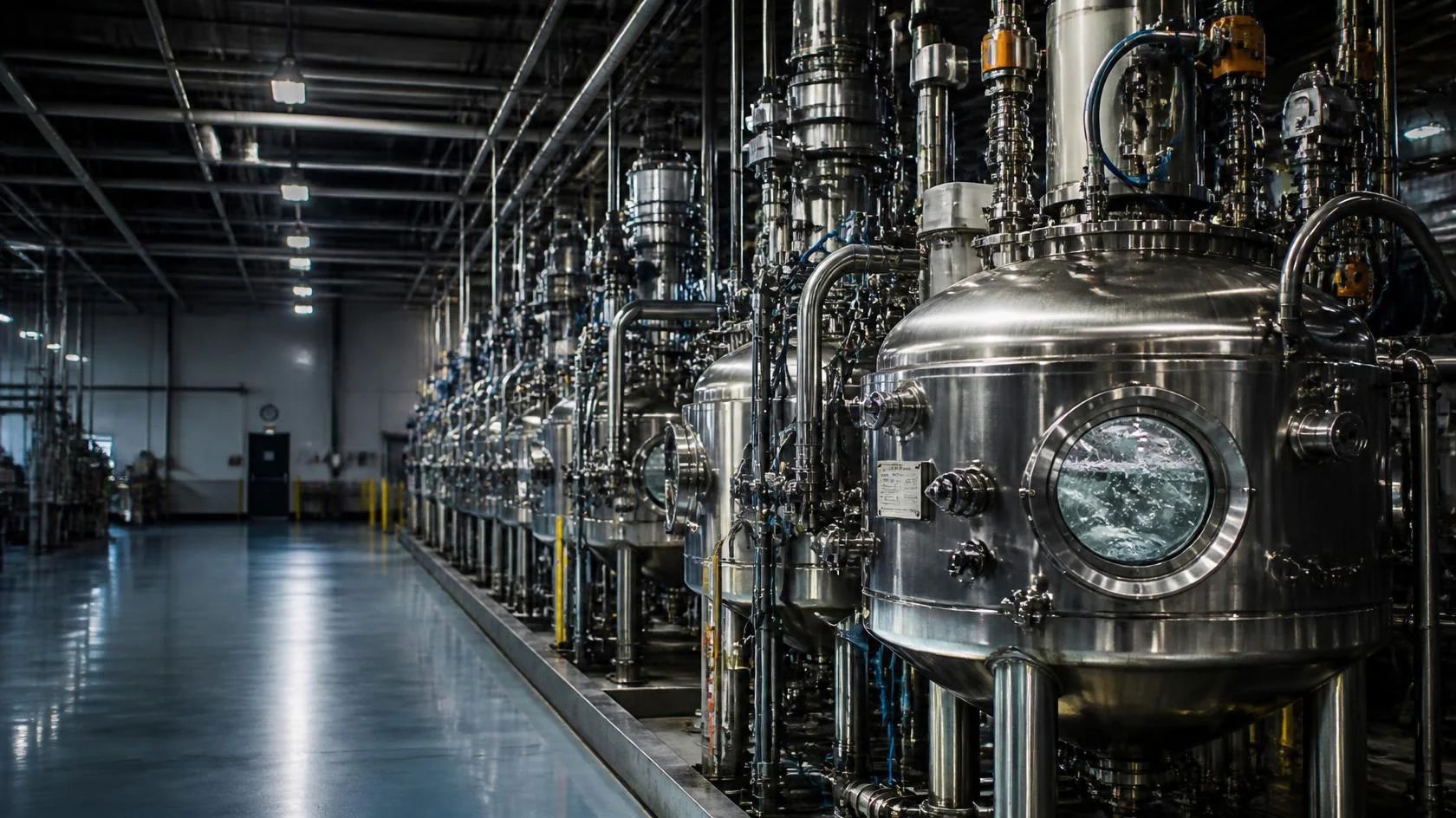
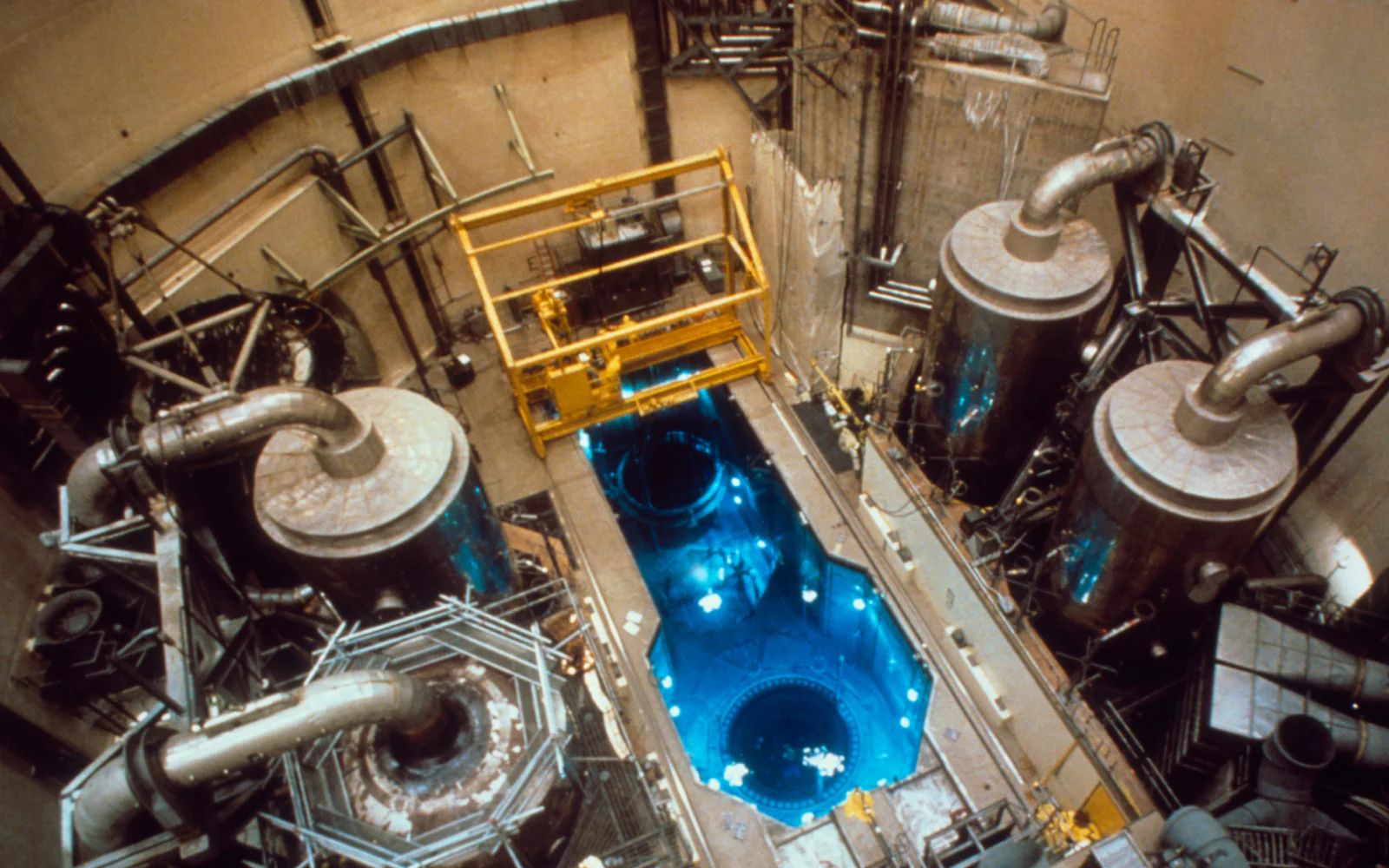
Specialty chemical batch reactors and multi-product plant utilities

Common problems

Problems that cost you before you notice

None of these show up as a single alarm. They show up in the margin nobody measured, the list update nobody checked, and the batch that finds the new target one trial at a time.

  1. A reactor inside its normal band can still be close to runaway

    Runaway risk depends on thermal and kinetic factors that interact. Temperature and pressure can still look normal while the operating point moves toward an unstable region, and the shift is usually seen once trends are already abnormal.

    See: Thermal Runaway Risk Prediction
  2. Safety margins are judged against numbers fixed at design

    The dimensionless parameters process safety engineers use in design calculations are rarely tracked while the reactor runs. Between design and operation, the margin protecting a batch is assumed rather than measured.

    See: Thermal Runaway Risk Prediction
  3. A cleared formulation stops being cleared without anyone touching it

    The REACH Candidate List is updated periodically, and an addition can pull in products screened long ago. Between reviews, nobody knows which recipes a change has affected — until an inquiry with a 45-day clock arrives.

    See: SVHC & Article 33 Compliance Tracking
  4. A new property target is approached one batch at a time

    Molecular weight, polydispersity and reaction time move together with the polymerization conditions that set them. When a specification changes, the target is usually found by adjusting one variable per batch — and every attempt costs reactor time and material.

    See: Polymerization Target-Property Optimization

Use cases

Places worth a closer look

Each is a specific starting point — this reactor and reaction system, this product range — and a next conversation if it is worth your time.

Specialty chemical batch reactor operating under continuous thermal load
Process safety

Thermal Runaway Risk Prediction

Classify thermal runaway risk in batch and semi-batch reactors from live process data and dimensionless safety parameters, as a monitoring layer beside existing process safety management.

See the full use case
Specialty chemical formulations screened against the REACH SVHC Candidate List
Regulatory compliance

SVHC & Article 33 Compliance Tracking

Screen specialty chemical formulations against the REACH SVHC Candidate List, flag threshold crossings and map Article 33, Article 7(2) and SCIP obligations for compliance review.

See the full use case
Specialty polymer reactor with process parameter and property records
Process optimization

Polymerization Target-Property Optimization

Model polymerization conditions against molecular weight and polydispersity so process teams can work back from a target property to candidate parameters. Advisory only.

See the full use case

FAQ

Questions that come up in every first call

A practical look at what INSUS needs, where it fits and what your team can expect.

The work that fits is the data a specialty plant already produces: reactor temperature, pressure, feed and composition tags, reaction characterisation, formulation and bill-of-materials records, batch and lab tickets, near-miss logs and equipment condition signals. Predictive Maintenance can start from signals you already log. Closed-loop recipe control, automatic batch disposition, anything that forms part of a protective system, and any independent legal determination are not things we will offer.

Chemicals on this site focuses on process plants more broadly — energy, catalyst, water, cooling and emissions across continuous and campaign units. Specialty Chemicals focuses on multi-product batch and formulated grades — recipe consistency, changeovers, feedstock variability and customer performance specs. Pharma and Biotech cover regulated pharmaceutical and biologics manufacturing.

Usually not for DCS, historians, MES, LIMS and maintenance. Most plants already have batch history and some utility metering. If a critical probe has been drifting or an alarm code is unused, that comes before any model.

No. The person who knows this recipe, this reactor and this customer spec stays responsible. The aim is to stop the next campaign repeating the same drift or changeover miss, and to flag a developing equipment issue before it stops shared capacity.

No. It advises the process, production or safety team. Existing DCS, MES and quality systems stay in charge of the loop, and safety interlocks, relief systems and process safety management are unchanged. Nothing we provide forms part of a protective or safety instrumented system.

No. Yield, quality and energy outcomes depend on recipe design, feedstock quality, operating practice and equipment condition. We will not invent a first-pass-yield or kWh target for your plant.

They are published industry and regional benchmarks — not measurements of your plant. Your batch tickets, CoAs and utility tags are the numbers that matter.

Yes. One batch or semi-batch reactor and reaction system, one product range's formulation data, or one shared asset group is usually the practical start. Measure that, then decide whether to widen.

Contact

Talk to a specialty chemicals expert

  • 30 minA focused conversation about the specialty chemicals problem you are trying to solve. No sales deck.
  • OutcomeA practical view of whether INSUS can help, what data would be needed and where it makes sense to start.
  • We will first understand your current process, what information you have and where the biggest gap is.
  • If the right answer is a probe check, a procedure update, a maintenance action or an existing MES report, that is what we will tell you.

Request a call

We reply within one working day, from a person, with a proposed time.